
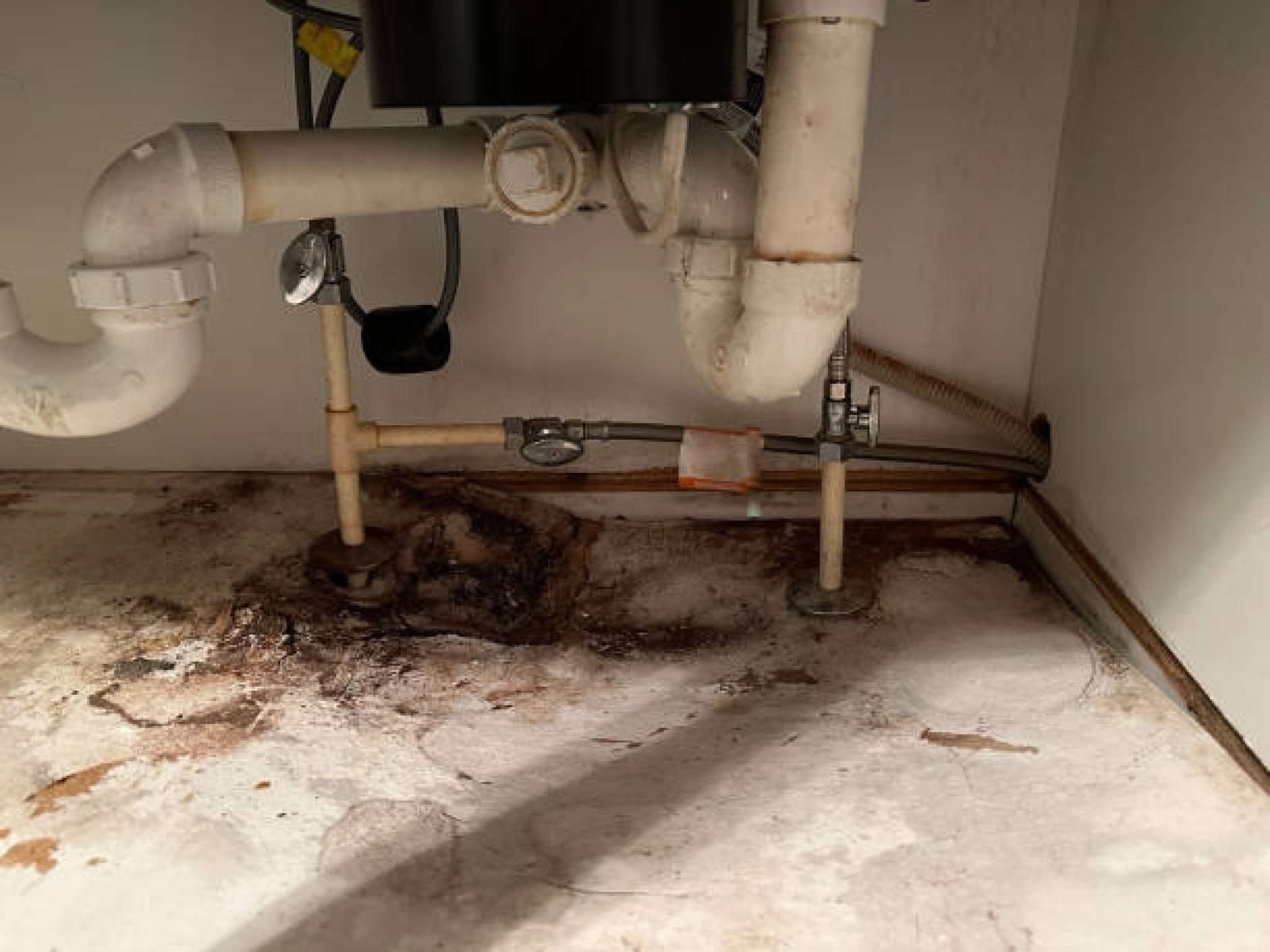
The True Cost of Ignoring a Slow Leak in a Bellevue Home
A slow leak rarely announces itself. There is no burst pipe, no flooded floor, no obvious emergency. Just a faint drip behind a wall, a slightly higher water bill, or a stain that seems to grow a little each month. Because the damage builds quietly, many homeowners wait, and waiting is exactly what turns a…
Read article
Why Seattle’s Older Homes Are Prone to Sudden Pipe Failures
Seattle is full of beautiful older homes, and many of them are hiding the same quiet liability behind their walls: aging pipes that were never meant to last this long. A pipe failure in one of these homes often arrives without warning: a joint lets go overnight, a corroded line splits, and a slow seep…
Read article
What King County’s Rainy Season Does to Your Crawl Space
If you own a home anywhere in King County, you already know the rain rarely takes a season off. What most homeowners do not see is what all that moisture is doing in the one part of the house nobody visits: the crawl space. Out of sight, a damp crawl space slowly turns into a…
Read article
How Fast Does Water Damage Spread in a Tukwila Home?
A burst supply line, an overflowing washer, or a slow leak behind a wall can feel like a problem you will deal with tomorrow. The trouble is that water does not wait. Within hours, it has already wicked into drywall, subfloor, and framing, and within a couple of days, the situation can shift from a…
Read article
Water Damage Categories Explained: Cat 1 vs Cat 2 vs Cat 3 (and Why It Changes Your Bill)
Two homes on the same street can sustain water damage on the same day, yet one homeowner pays $2,500 while the other faces a bill over $25,000. The square footage is similar. The water volume looks comparable. So why the gap? The answer almost always comes down to one technical decision the restoration technician makes…
Read article
7 Things That Are Silently Causing Mold Growth in Your Home
Most homeowners only think about mold after they can see it — a dark patch on the bathroom ceiling, a musty smell coming from the basement, or discoloration creeping along a wall. But by the time mold becomes visible, it has usually been growing for weeks or months. The real problem isn’t the mold you…
Read article