If you own a home anywhere in King County, you already know the rain rarely takes a season off. What most homeowners do not see is what all that moisture is doing in the one part of the house nobody visits: the crawl space.
Out of sight, a damp crawl space slowly turns into a source of rot, mold, and poor indoor air long before anyone notices a problem upstairs.
This guide explains exactly what happens beneath your floor during the wet months, the warning signs to watch for, and how to keep a small moisture issue from becoming an expensive repair.
Why Pacific Northwest Rain Targets the Crawl Space
The crawl space is the lowest enclosed point in most homes, which makes it the natural collection point for water. During extended periods of rain, the soil around and beneath a foundation becomes fully saturated. Once the ground reaches capacity, additional rainfall has nowhere to go, and the water table rises closer to the underside of the home. Instead of draining away, groundwater can push upward and sideways against the foundation and seep into the crawl space.
Local geography makes this worse. Homes built on slopes often receive lateral groundwater moving downhill toward the foundation throughout the wet season, while low-lying properties near rivers and waterways sit close to a water table that climbs during winter.
Older homes are especially vulnerable because post-and-pier foundations, common in mid-century construction, were not built with footings deep enough to divert that water.
Regional restoration specialists note that Seattle-area crawl spaces in homes built before 1960 experience chronic moisture cycles that destroy floor joists and breed mold, a pattern documented in detailed regional crawl space moisture analysis of the area.
How Moisture Moves From the Crawl Space Into Your Home
A wet crawl space does not stay contained. Because of the stack effect, air naturally rises through a house: warm air escaping upstairs pulls replacement air up from the lowest level.
That means a meaningful share of the air you breathe on your main floor started in the crawl space. If that space holds mold, damp insulation, or standing water, those contaminants ride the airflow into your living areas.
This is why musty smells and allergy symptoms often get worse in winter, when heating runs constantly, and the stack effect is strongest. The moisture also attacks the structure directly.
Damp, organic building materials like wood joists, subfloor, and insulation absorb water and stay wet in the cool, poorly ventilated environment beneath the home, setting the stage for both decay and biological growth.
The Real Damage: Mold, Rot, and Structural Risk
Mold needs only moisture and an organic surface, and a wet crawl space offers both. The U.S. Environmental Protection Agency notes that mold can begin growing on damp surfaces within 24 to 48 hours of water exposure, and a crawl space that stays damp all winter provides those conditions continuously. Once it takes hold, mold spreads across joists and subfloor and degrades indoor air quality.
The structural toll is just as serious. Persistent moisture causes wood rot in floor joists and subflooring, which compromises their load-bearing capacity. Homeowners usually notice the symptoms before the cause: sagging or bouncy floors, soft spots, squeaking, and visible movement.
Left unaddressed, deteriorated joists eventually need replacement, and saturated soil can lose its load-bearing strength and contribute to foundation settlement that worsens with each rainy season. What began as a humidity problem becomes a five-figure repair.
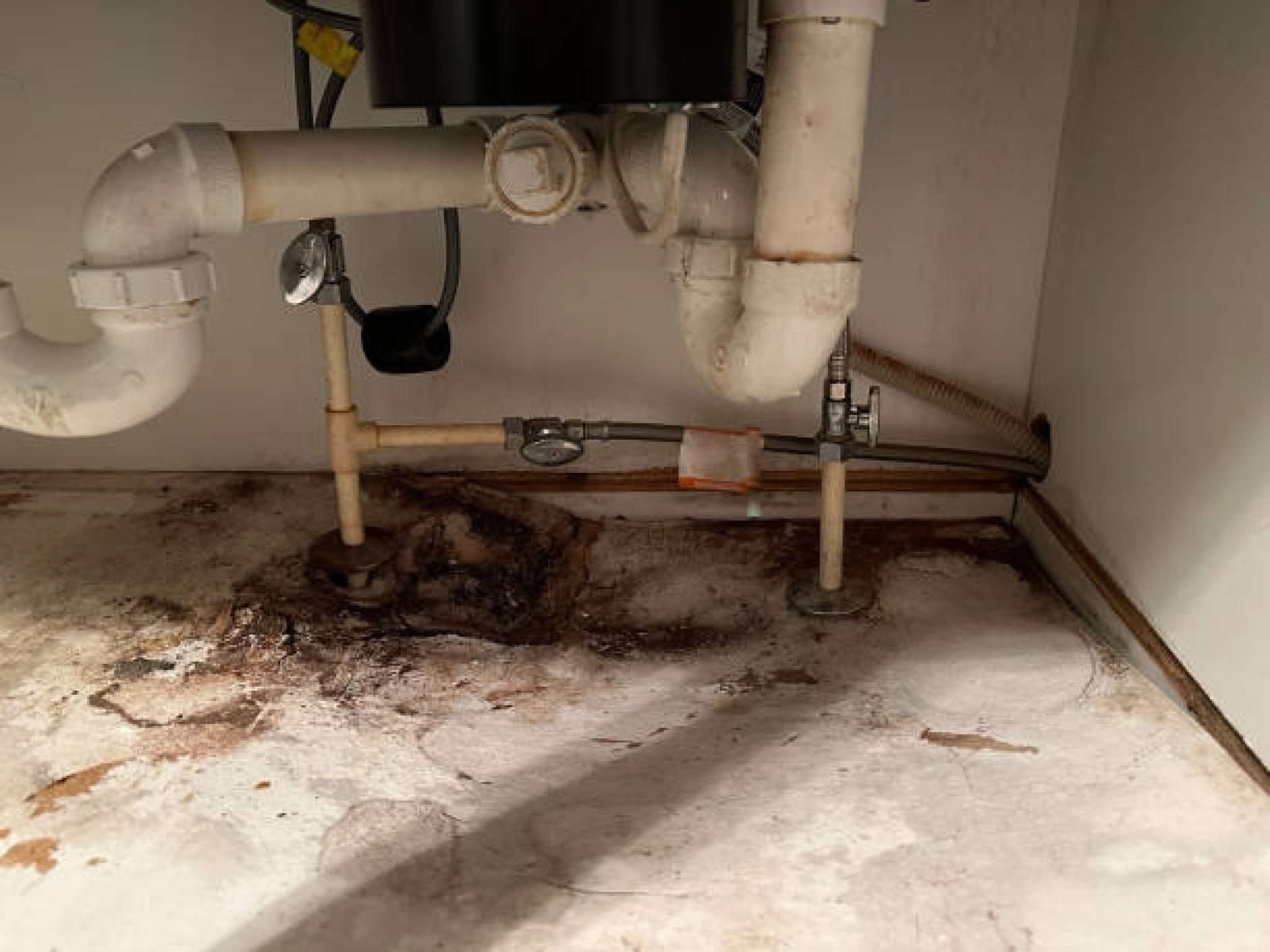
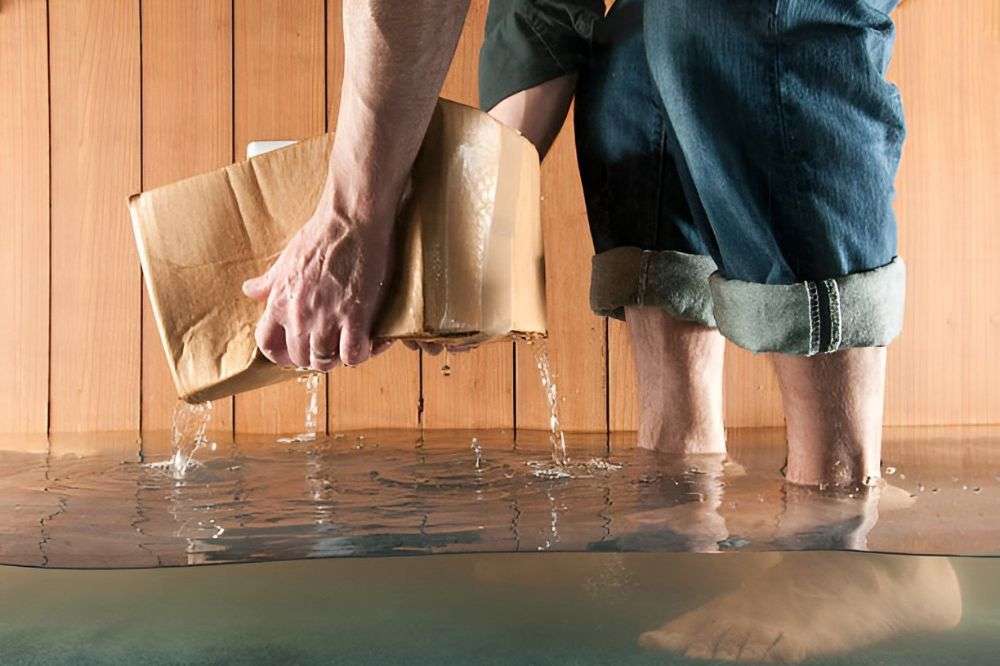
Standing water deserves special mention. Even one to two inches beneath the home can soak insulation, saturate the vapor barrier, and begin compromising framing. Many homeowners assume minor pooling will dry on its own once the rain stops, but moisture trapped under a vapor barrier lingers for weeks and quietly migrates into subfloor materials long after the visible puddles are gone.
Warning Signs King County Homeowners Should Watch For
Because the crawl space is hidden, the earliest clues usually show up inside the living space. Watch for a persistent musty or earthy odor, especially when the heat kicks on. Other red flags include floors that feel soft or springy, condensation on windows, higher-than-normal indoor humidity, increased allergy or asthma symptoms, and visible mold near baseboards or in closets along exterior walls.
If any of these appear, it is worth inspecting the crawl space directly. Look for damp or compressed insulation, water stains on joists, a torn or pooled vapor barrier, fuzzy growth on wood surfaces, and any visible standing water. It helps to understand how moisture and mold travel through a home after water intrusion, because what you find below the floor rarely stays below the floor.
Standing water in a crawl space is never normal, even in a wet climate, and it almost always points to a drainage or foundation issue that needs correction rather than a problem that will resolve itself.
How to Protect Your Crawl Space Through the Wet Season
Prevention starts above ground. Keep gutters clear, since Pacific Northwest evergreens shed needles year-round and clogged gutters overflow during rain, dumping hundreds of gallons directly at the foundation.
Make sure downspouts discharge well away from the house rather than a few feet from the wall, where the water simply soaks back toward the crawl space. Grade the soil so it slopes away from the foundation, and address any plumbing or drainage leaks promptly, because a single leak will defeat every other measure you take.
Inside the crawl space, a properly installed vapor barrier across the soil, sealed foundation conditions, functional drainage, and humidity control work together to break the chronic moisture cycle at its source instead of masking the symptoms.
When water has already gotten in, the priority shifts to fast, complete drying. Materials dried thoroughly within the first couple of days rarely develop mold, while materials left wet almost always do, so the speed of the response is what separates a simple cleanup from a major remediation.
The Bottom Line
In King County, a damp crawl space is not a question of if but when, and the cost of ignoring it compounds every winter.
Moisture beneath the home drives mold, rot, sagging floors, and worsening air quality, and most of it is preventable with good drainage, a sound vapor barrier, and a quick response to any water intrusion.
The homeowners who come out ahead are simply the ones who treat the crawl space as part of the house rather than a space they never think about.
If you suspect rainy-season moisture has reached the crawl space beneath your home, DKJAY Restoration provides crawl space drying, mold remediation, and water damage restoration throughout Tukwila and the greater King County area.
As a WA State-licensed, IICRC-certified team, they can inspect the space, identify the moisture source, and stop the damage before it spreads. Call DKJAY Restoration at (206) 819-4977 or Check our water damage restoration service in King County to schedule a consultation.