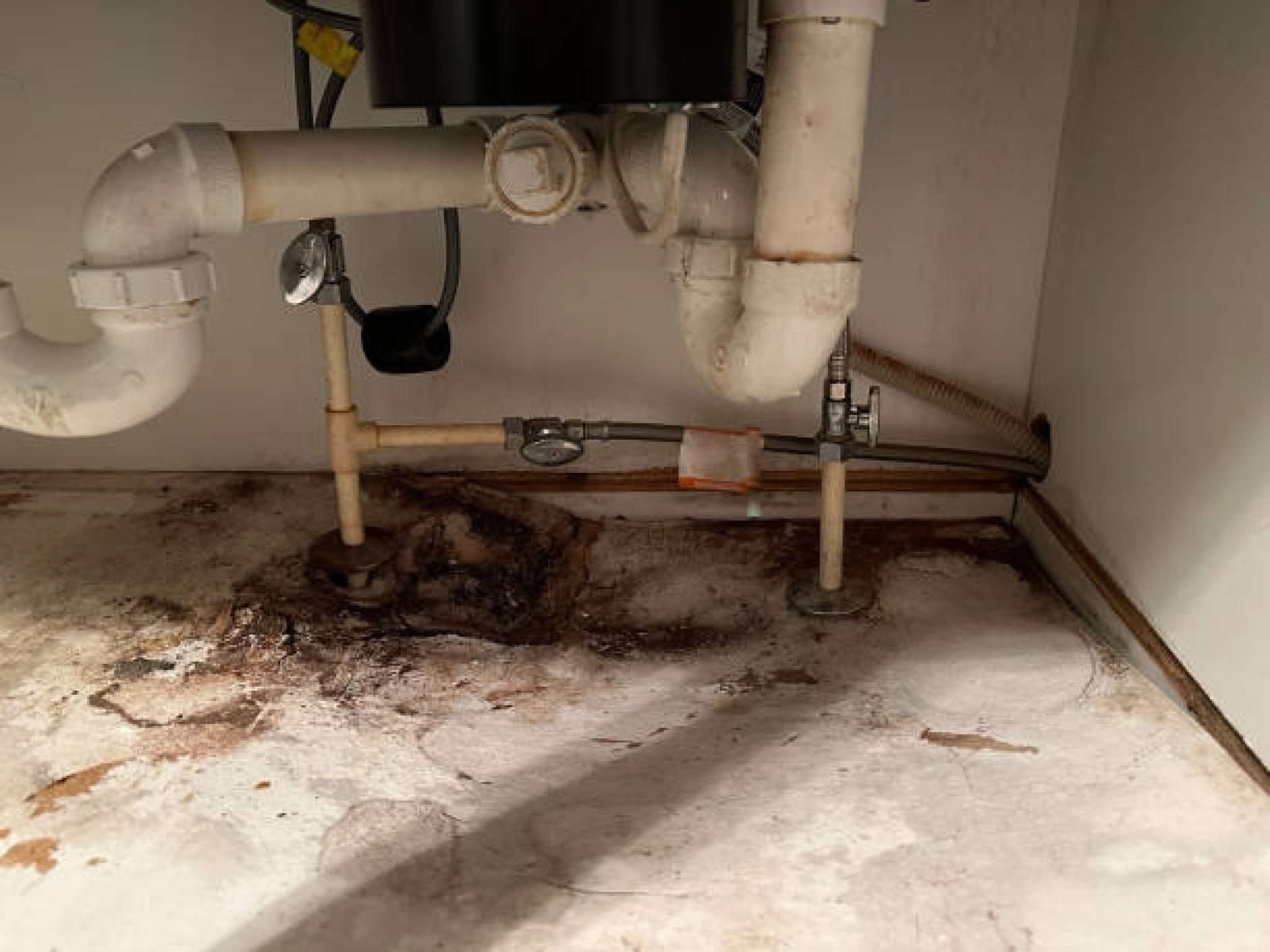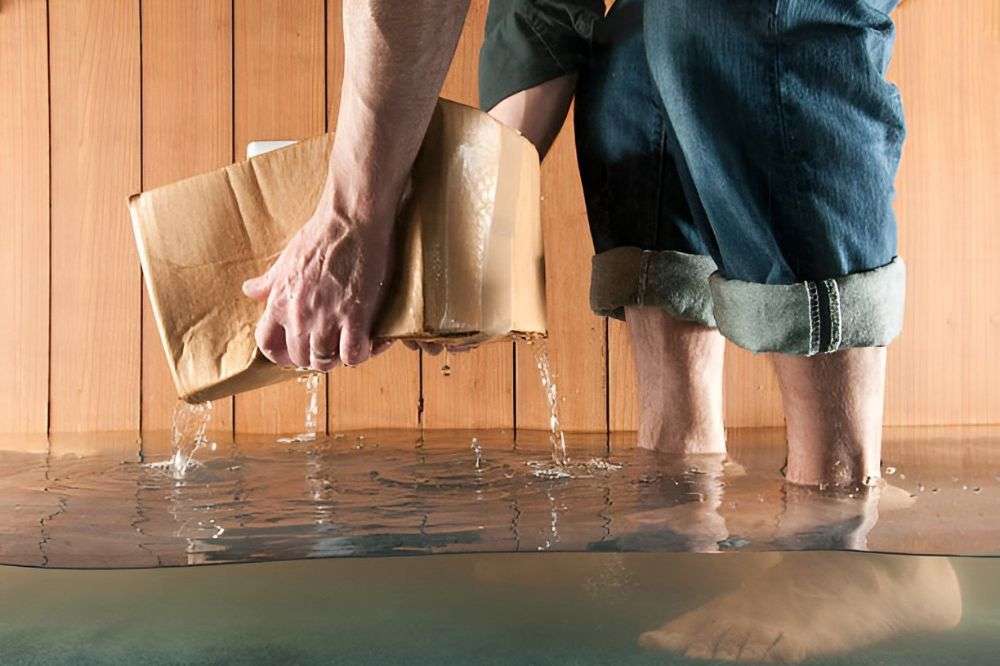
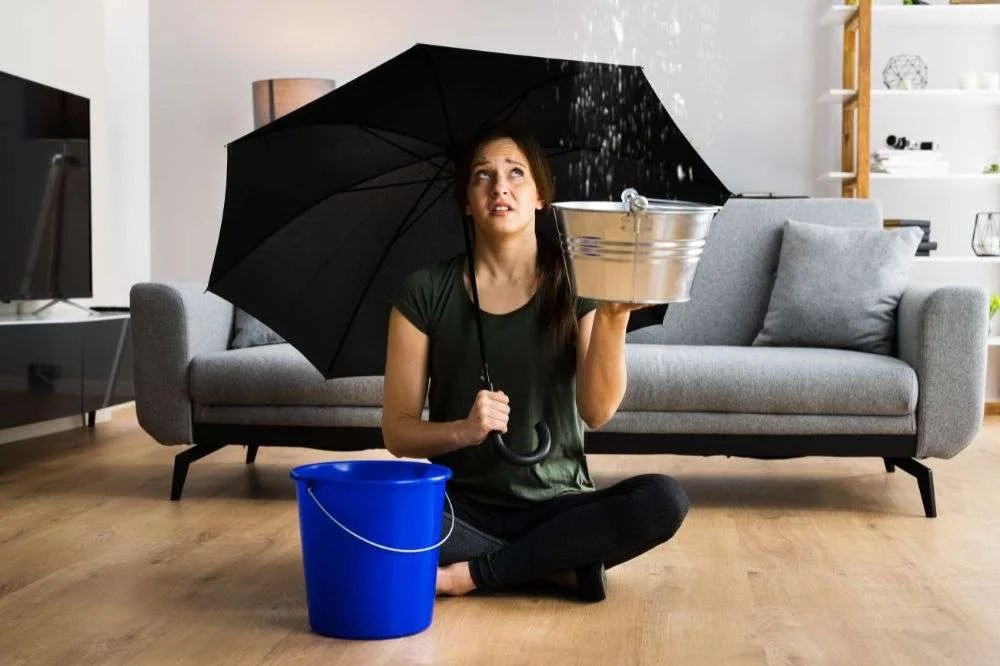
Water damage can devastate your home—yet most incidents are preventable. Unlike fires or break-ins, water often invades silently: a slow drip behind your walls, a clogged gutter quietly compromising your roof, or a neglected sump pump that fails at the worst moment. This guide gives King County homeowners practical, targeted strategies to protect their property and stay ahead of water emergencies.
Why Water Damage Happens More Often Than You Think
Most homeowners underestimate how common and costly water damage is. According to the Insurance Information Institute, one in 67 insured homes files a water-damage or freezing claim each year—more often than for fire, theft, or vandalism combined. The average claim exceeds $15,000, with large losses rising each year.
Many losses stem from small, fixable problems that go undetected. The EPA estimates that the average U.S. home leaks 10,000 gallons of water per year, mostly from dripping faucets, worn toilet flappers, and corroding supply lines that often go unnoticed. Fixing these leaks protects your home and can lower your water bill by 10% or more.
Many homeowners believe they would notice a water problem early, but most claims involve issues that develop undetected for weeks or months. Preventing these problems is straightforward; it simply requires consistent attention.
Inspect Your Plumbing and Appliances Regularly
Check Supply Lines and Hoses
The supply lines to your dishwasher, washing machine, refrigerator, and toilets are often overlooked failure points. These hoses degrade over time—a burst washing machine hose can release hundreds of gallons per hour before being noticed. Inspect each visible hose connection at least once a year.
Replace rubber hoses with braided stainless steel versions, which are significantly more resistant to splitting under pressure. Toilets deserve particular attention: examine the flexible water supply line, the flapper (the rubber valve that lifts to let water flush into the bowl), and the fill valve (which controls the tank’s water flow) every 5 to 7 years, replacing as needed.
Know Your Main Water Shutoff
In a water emergency, quick action makes the difference between a contained issue and a significant loss. Every adult in a household should know the location of the main shutoff valve and be able to close it quickly. Test the valve annually to ensure it operates properly, as older gate valves can seize and should not be discovered only during a burst pipe incident.
Consider Smart Leak Detectors
Place water sensors under sinks, behind refrigerators, and near the water heater to detect leaks before they cause visible damage. Advanced systems can automatically shut off your main water supply when a leak is detected. For frequent travelers or homeowners with older plumbing, this is a valuable upgrade.
Maintain Your Roof, Gutters, and Grading
Clean Gutters Every Season
In King County’s rainy climate, gutters only work when they are clear. Clogged gutters force water to overflow along your foundation, saturating soil and causing leaks in basements or crawl spaces.
Clean gutters in late fall after leaves drop and again in early spring. During maintenance, confirm downspouts direct water at least three feet away from the foundation. Simple extensions can be installed as needed.
Inspect Your Roof Annually
Most roof leaks start small—a cracked shingle, lifted flashing (thin metal or plastic that seals roof joints), or deteriorating boot seal—dripping into attic insulation for months before visible damage appears. Have your roof inspected every year, ideally before the rainy season. Check flashing around chimneys, skylights, and dormers, which are common entry points.
Grade Your Yard Away from the Foundation
The soil around a foundation should slope away from the house at about 6 inches over the first 10 feet. As soil settles, improper grading can direct rainwater toward the foundation rather than away from it. After heavy rain, walk around the home to observe water flow. Low spots or pooling near the foundation indicate issues that should be corrected before water intrusion occurs.
Protect Your Basement and Crawl Space
Inspect for Cracks in Walls and Floors
Hairline cracks in concrete are common, but they allow water entry. Inspect basement walls and floors yearly. Seal visible cracks with hydraulic cement or epoxy injection.
Check where the wall meets the floor, as this is a common point of water entry. If you find horizontal cracks in the foundation wall, seek a professional evaluation—they can signal pressure from surrounding soil.
Test and Maintain Your Sump Pump
A sump pump automatically removes water from the basement to prevent flooding and is one of the home’s primary defenses against water damage, but it is often neglected.
Test the sump pump every six months by pouring water into the sump pit—the area where excess water collects—and confirm the pump activates and operates as intended. Replace any pump that is over 10 years old, and install a battery backup unit so the pump remains functioning during power outages, which frequently occur during storms that cause basement flooding.
Control Humidity Year-Round
Chronic dampness in a basement or crawl space accelerates wood rot, encourages pest activity, and creates favorable conditions for mold growth.
Keep relative humidity (the amount of water vapor in the air compared to the maximum it can hold at that temperature) in enclosed lower spaces below 50% with a dehumidifier, and ensure your crawl space has a vapor barrier—a sheet of plastic or foil that blocks moisture from passing through the soil—installed over any exposed soil.
If you have a vented crawl space and notice persistent moisture issues, it may be worth consulting a professional about fully encapsulating (sealing the crawl space with a continuous vapor barrier—a material that blocks ground moisture—and sealing vents) the space.
King County Homeowners: Local Factors to Keep in Mind
Prevention strategies are crucial in King County, where annual rainfall averages 38 inches. Older homes in Tukwila, Auburn, and Kent often have plumbing and drainage systems built before modern standards.
Several local factors should be considered: the Pacific Northwest’s rainy season typically runs from October to April, with November and December the wettest months. This is the period when gutters, sump pumps, and roof conditions are most critical. Complete preparations during the drier summer months.
- Roof moss and algae, common in the region’s damp climate, can lift shingles and speed deterioration. Annual cleaning or zinc sulfate treatment can add years to the roof’s life.
- King County’s heavy clay soils retain water longer than sandy or loam soils. This means excess moisture near your foundation drains slowly, increasing hydrostatic pressure on basement walls after storms. Galvanized steel pipes, common in homes built before the 1970s, corrode from the inside out and can fail without warning. If your home has older galvanized plumbing, a plumber’s inspection is a worthwhile investment.
Even with preventive measures, water intrusion can still occur. If water does enter, respond immediately to minimize damage and the extent of the required restoration.
Build Prevention Into Your Annual Home Routine
The most effective preventive measure is to treat water alongside prevention as part of regular maintenance, alongside smoke detector checks and HVAC filter replacements. Check the roof and gutters, test the sump pump and shutoff, and check for foundation settling. Summer: trim plants, seal exterior cracks, check weatherstripping at windows and doors.
Fall: clean gutters before rain, test alarms, inspect supply hoses, check pump backup battery. Winter: monitor humidity, open cabinet doors during cold snaps, and know shutoff valve location.
According to the EPA, most home water leaks are preventable with routine inspection, which costs far less than the average damage claim. Prevention is the most cost-effective solution.
Take Action Before Water Takes Over
Water damage rarely makes itself obvious at first. Often it starts quietly—a drip, a damp corner, or an untested pump. The most successful homeowners are proactive. By following this checklist, both area by area and season by season, the risk of a water crisis is substantially reduced.
If you’re dealing with an active leak, recent flooding, or signs of moisture damage you can’t explain, DKJAY Restoration is available 24/7 across King County with a guaranteed 60-minute emergency response. Our IICRC-certified team handles water extraction, structural drying, mold prevention, and full reconstruction. Call us any time at (206) 819-4977 or request a free consultation online.