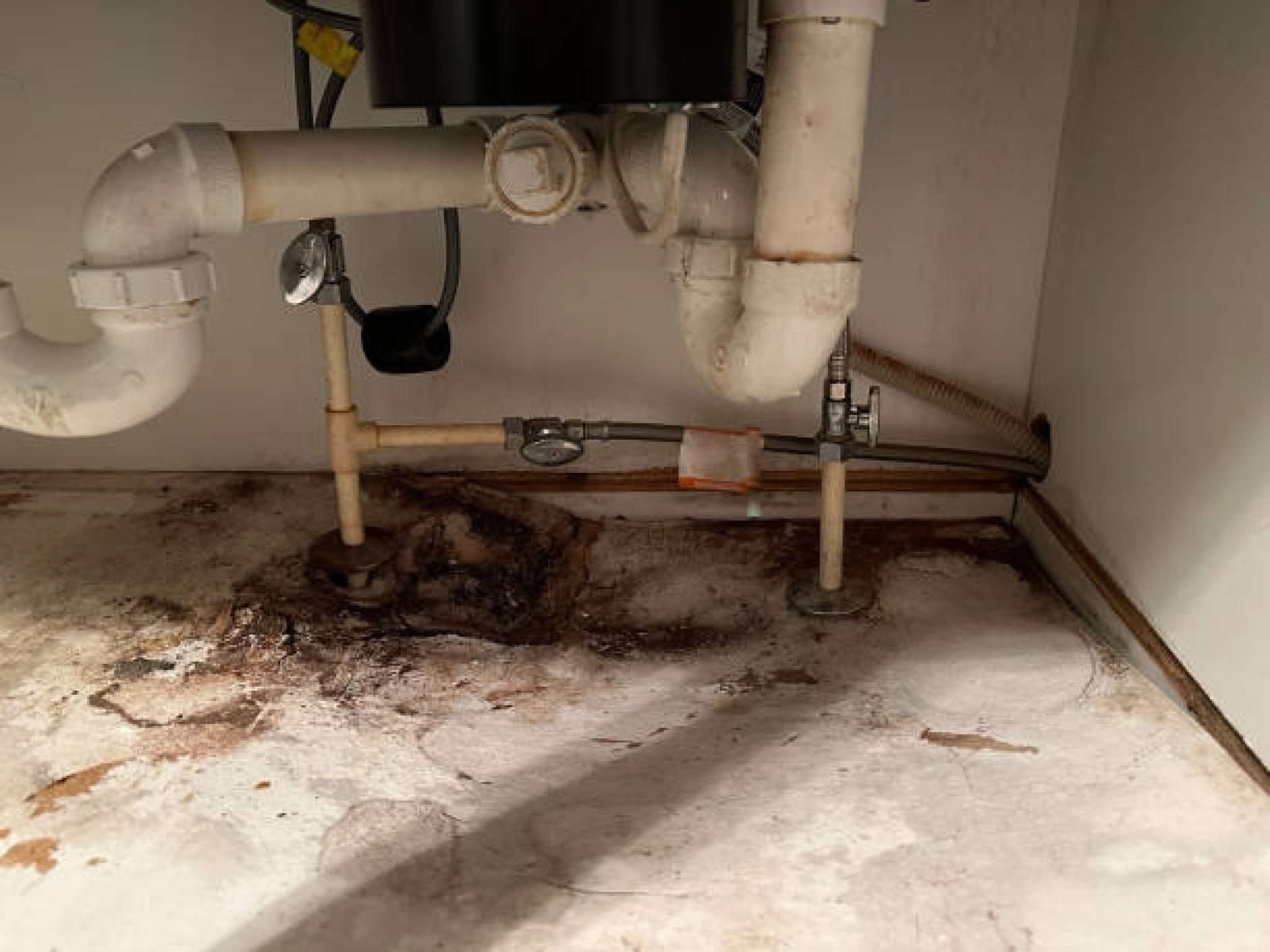
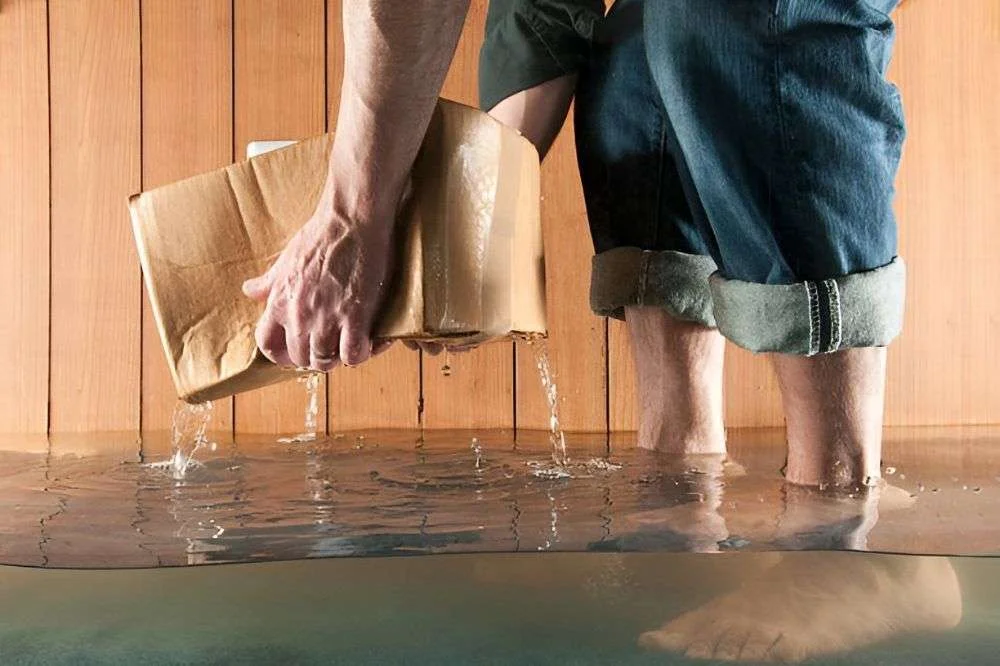
Discovering water rising in your basement is one of the most stressful moments any homeowner can face.
In King County, where heavy rainfall and aging infrastructure combine, basement floods happen more often than people expect.
In those first moments, panic can lead to costly—or even dangerous—mistakes. What you do in the next hour matters enormously, not just for your property, but for your health and safety. This guide walks you through the exact steps to take, and the critical missteps to avoid, when your basement floods.
Before You Do Anything: Assess the Situation
The instinct to rush downstairs and start moving things is understandable, but it could be deadly. Floodwater and electricity are a life-threatening combination. Before you take a single step toward that basement door, stop and ask yourself two questions.
- Is the power still on? If water has reached any outlets, appliances, or wiring, do not enter the basement. According to FEMA’s basement flood mitigation guidance, electrical panels and wiring in flood-prone areas should be elevated above flood risk levels. If your panel is in the basement and you can’t shut off power safely from elsewhere, call an electrician before entering.
- What type of water is it? Not all floodwater is equal. Clean water from a burst pipe (Category 1) carries different risks than water from a backed-up sewer line (Category 3), which is heavily contaminated with bacteria and pathogens. If there’s any chance the water came from a drain backup or an outside flood source, treat it as hazardous and do not touch it without full protective gear.
If you smell gas at any point, do not enter, do not turn any switches on or off, and call your gas provider immediately from outside the home.
What You Should Do First (The Right Steps)
Once you’ve confirmed it’s safe to enter, or you’ve had a professional handle the electrical and gas concerns, work through these steps in order.
1. Shut Off the Water Source
If flooding is caused by a burst pipe, broken appliance, or failed sump pump, stop the water at the source immediately. Locate your main water shut-off valve and turn it off. Every minute of additional water flow multiplies the damage.
2. Document Everything Before You Touch It
Before moving a single item, take thorough photos and video of all damage. Walk every corner of the basement. Photograph waterlines on the walls, affected flooring, furniture, appliances, and any visible structural issues. This documentation is essential for insurance claims and, depending on the cause, may be required for any federal or state assistance applications.
3. Remove Standing Water
For small amounts of clean water, a wet/dry vacuum or submersible pump can be effective. For deeper flooding, you’ll need a professional-grade sump pump or a water extraction service. Do not use a standard household vacuum—it isn’t built for water and creates an electrocution risk.
4. Begin Drying Immediately
Once the standing water is out, the race against moisture begins. Open windows and doors if outdoor humidity is lower than indoors (check weather apps for the dew point). Set up dehumidifiers and air movers. The goal is to drop the relative humidity in the space below 50% as fast as possible. Wet materials left in place quickly become a breeding ground for biological growth. To understand the steps to prevent mold from taking over after water damage, acting within the first 24 hours is non-negotiable.
What You Should NOT Do (Critical Mistakes to Avoid)
Knowing what not to do is just as important as following the right steps. These are the most common and damaging mistakes homeowners make during a basement flood.
- Don’t enter with the power still on. This cannot be overstated. Even a small amount of water near live electrical sources can be fatal.
- Don’t throw things away before documenting. Discarding damaged items before photographing them can invalidate your insurance claim.
- Don’t run fans if you already see visible mold. Fans spread mold spores throughout unaffected areas of your home, dramatically expanding the contamination zone.
- Don’t assume it will dry on its own. Basements are naturally humid, low-airflow environments. Without active drying equipment, moisture trapped in walls, subfloors, and insulation will linger for weeks.
- Don’t pour bleach on mold and consider it ‘handled.’ Bleach is largely ineffective on porous surfaces like drywall and wood because the water in the solution can actually feed the mold’s root structure beneath the surface.
The Mold Clock Is Already Ticking
Here’s an uncomfortable truth: by the time you discover a flooded basement, the conditions for mold growth may already be in place. Mold spores can begin to colonize damp organic materials—drywall, wood framing, carpet padding—within 24 to 48 hours of water exposure. In King County’s naturally humid climate, that window is even shorter in late fall and winter.
Understanding how quickly mold can develop after a flood is critical to understanding why speed matters so much. Mold that begins behind walls and under flooring isn’t always visible right away, but it spreads rapidly and becomes exponentially more expensive to remediate the longer it sits. If you’re unsure whether mold is already present, it’s worth understanding what type of mold might be growing in your basement so you can assess the health risk accurately.
Prioritize removing porous materials that absorbed contaminated water—mattresses, upholstered furniture, particle board, and carpet padding are generally unsalvageable. Non-porous surfaces like concrete block and ceramic tile can often be cleaned and dried, but only after thorough moisture testing confirms they’re genuinely dry.
When to Handle It Yourself vs. Call a Professional
Not every basement flood requires professional intervention, but knowing the dividing line can save you from making a bad situation significantly worse.
Handle it yourself if: the flooding is minor (less than an inch of clean water from a known source like a supply line), the water source is stopped, the power is safely off, and you have access to proper drying equipment.
Call a professional immediately if: the flooding is from a sewer backup or outside source; the water level is more than 2 inches deep; you smell gas or see structural damage; there is already visible mold present; or you have any doubt about the safety of the space. According to the IICRC S500 standard for water damage restoration, Category 2 and Category 3 water losses always require professional remediation to safely decontaminate the affected area.
In King County’s rainy climate, sewer backup and storm-related flooding are far more common than in drier regions, which means the majority of basement floods here qualify for professional response—not a DIY approach with a mop and bucket.
Act Fast, Stay Safe, and Get the Right Help
A flooded basement is stressful, but the right response in the first hour can be the difference between a contained cleanup and a gut renovation. Stay calm, stay safe, and follow the sequence: assess the hazards, shut off power and water, document everything, extract the water, and start drying immediately. Avoid the common mistakes that turn a manageable flood into a mold crisis.
When the situation is beyond a DIY cleanup—or you simply want the confidence that comes from certified professionals—DKJAY Restoration is available 24/7 across King County with a guaranteed 60-minute emergency response. Our IICRC-certified technicians handle water extraction, structural drying, mold prevention, and full reconstruction from a single call. Reach us anytime at (206) 819-4977 or request a free consultation online.