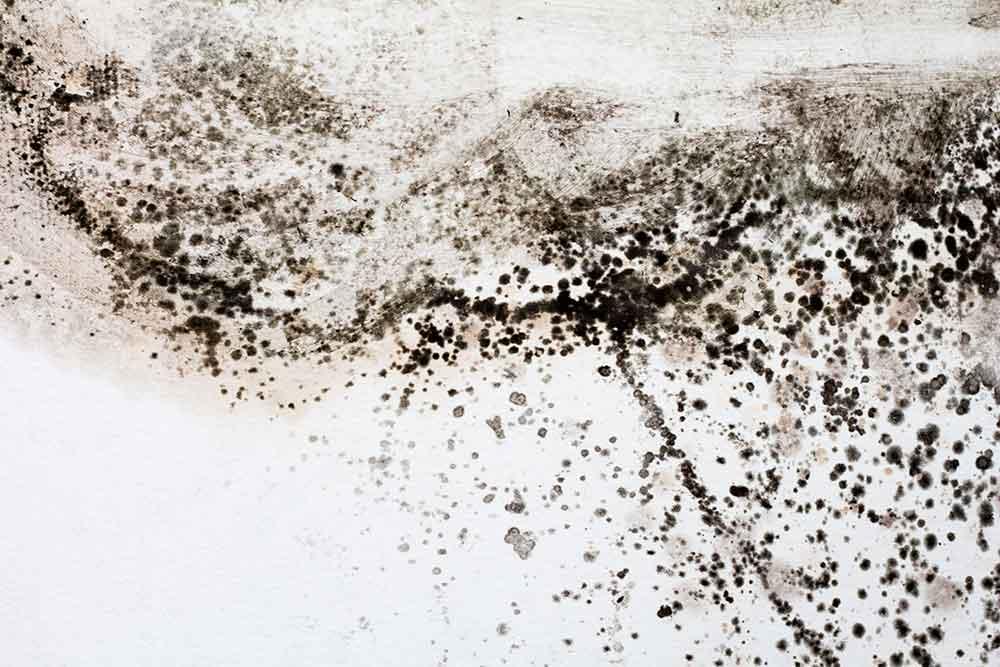
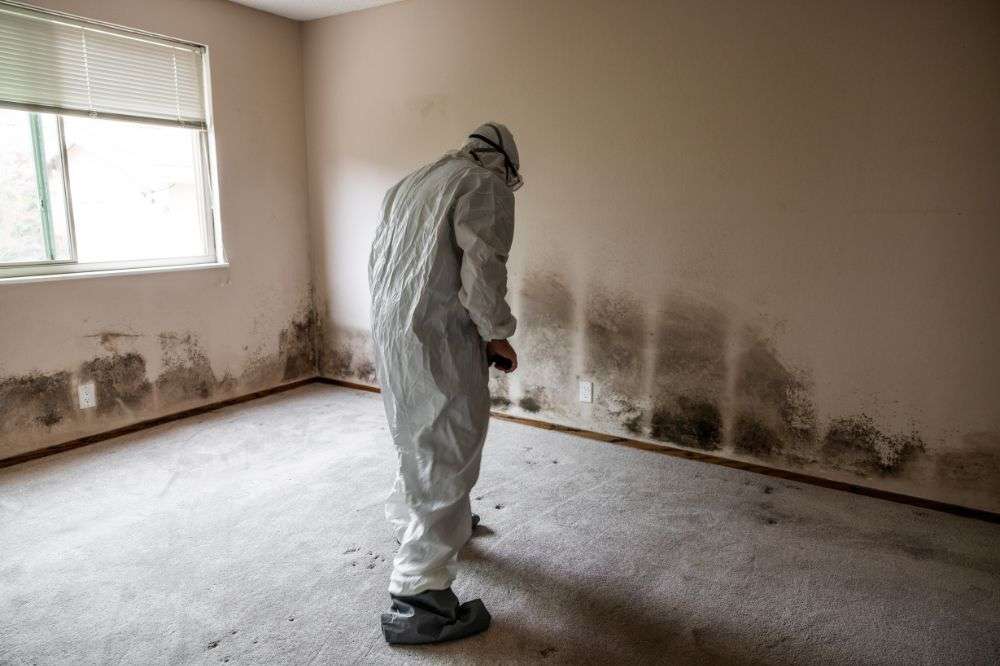
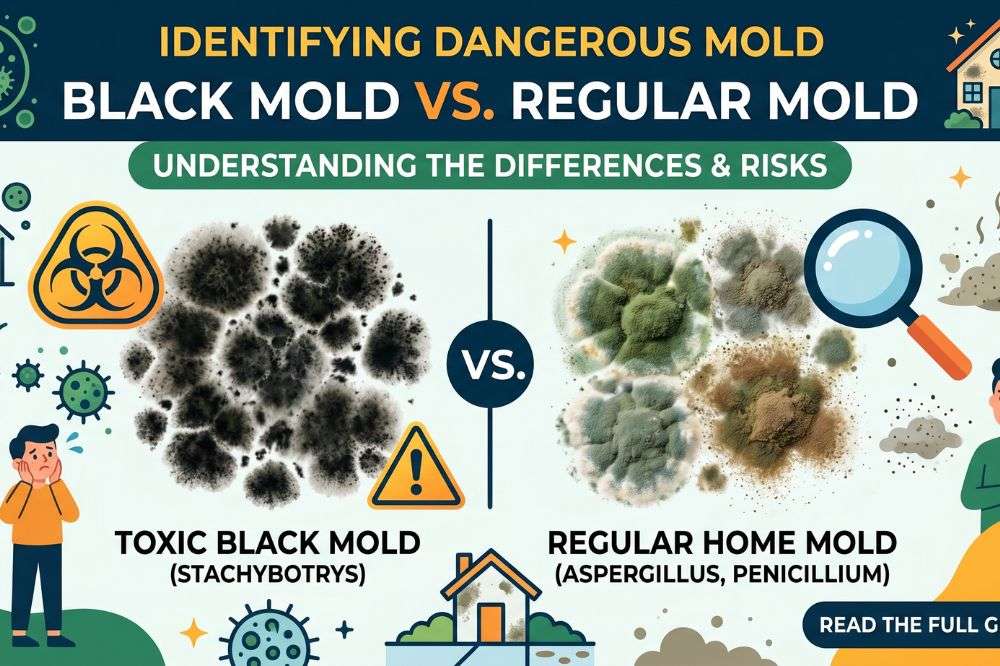
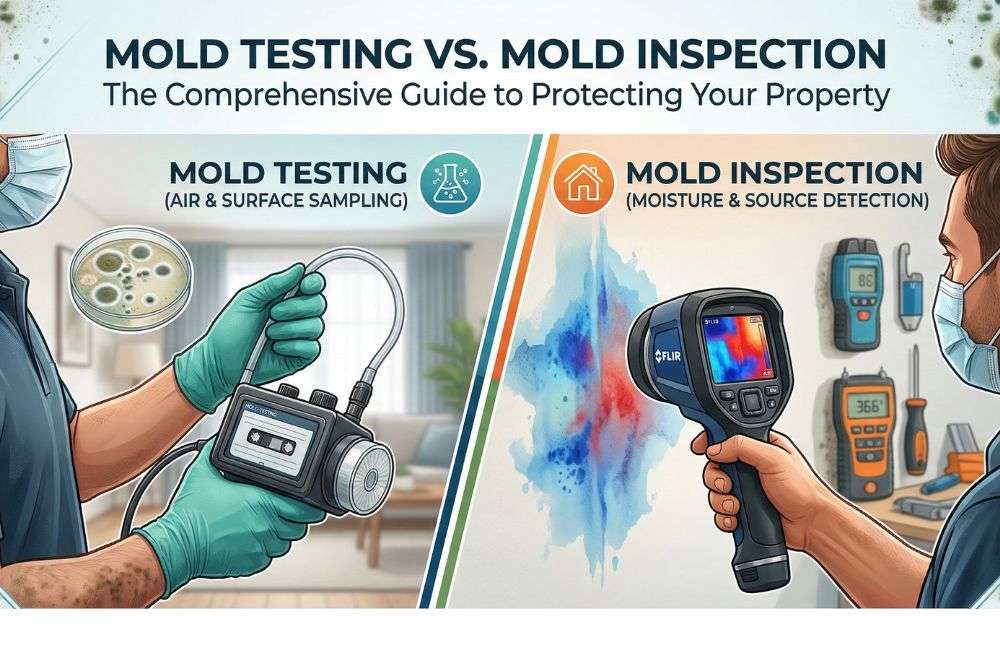
Following the historic flooding that struck Auburn, Washington, and nearby King County from December 2025 into early 2026, many residents returning to their homes are now facing widespread mold problems. Although the floodwaters are gone, the remaining moisture in drywall, insulation, and floors continues to create ideal conditions for mold growth. This guide explains the specific mold risks facing our local community and the critical steps you need to take to protect your health and your property.
1. The 24–48 Hour Rule
The most important thing to understand is that mold doesn’t wait. According to the CDC and local health officials, mold can begin to colonize damp organic materials within 24 to 48 hours of water exposure.
In the Auburn area, many homes sat in standing water for over a week during the peak of the winter storms. If your home remained wet for more than two days, you should assume you have mold growth, even if you can’t see it yet.
2. Health Risks: More Than Just a Bad Smell
Mold isn’t just an aesthetic issue; it’s a public health crisis. For Auburn families, especially those with children, the elderly, or residents with respiratory conditions like asthma, the risks are significant. As outlined by the Washington State Department of Health (DOH), exposure can lead to:
- Respiratory Distress: Nasal congestion, chronic coughing, wheezing, and throat irritation.
- Allergic Reactions: Red, itchy eyes, skin rashes, and hives.
- Long-term Complications: Prolonged exposure can lead to hypersensitivity pneumonitis (lung inflammation) and, in rare cases, systemic mycotoxin illness.
- The “Hidden” Danger: Many residents report “brain fog,” headaches, and fatigue weeks after moving back in. This is often caused by mold spores circulating through the HVAC system.
3. Where Mold Hides in Auburn Homes
In our local climate, humidity is already high. According to the Washington State Department of Health, flood damage creates the moist conditions that allow mold to thrive, especially in affected areas. Immediate Steps for Auburn Residents
If you are currently sifting through damage, follow these “Local Best Practices”:
Step 1: Document Everything
Before you tear out a single piece of drywall, take photos and videos. The City of Auburn and the SBA require extensive documentation for disaster loan applications and insurance claims.
Note: The deadline for many state assistance programs and SBA property damage loans is 27 April 2026.
Step 2: Dry It Out (Safely)
- Ventilation: Open all windows and doors.
- Dehumidifiers: Use commercial-grade dehumidifiers to pull moisture from the air.
- Warning: Do NOT use fans if you already see visible mold. Fans will blow the spores into unaffected rooms, cross-contaminating your entire home.
Step 3: The “Cut and Toss” Rule
Porous materials—like mattresses, upholstered furniture, and particle-board cabinets—cannot be “cleaned” once they’ve soaked up contaminated floodwater. If in doubt, throw it out.
5. Professional Remediation vs. DIY
While it’s tempting to grab a bottle of bleach and start scrubbing, be careful.
- The Bleach Myth: Bleach often only kills surface mold on non-porous surfaces. On wood or drywall, the water in bleach can actually soak into the material and feed the mold roots (hyphae).
- If you need to remove mold, the CDC recommends drying wet materials within 48 hours or removing them. For larger areas or if you have health concerns, consider hiring a certified remediation specialist.
- Structural Inspections: Residents can contact the City of Auburn Building Division at building@auburnwa.gov or call 253-931-3090 (Option 3).
- Financial Aid: Visit the Disaster Loan Outreach Center at the Auburn Library (1102 Auburn Way S).
- Permits: Most flood-related repairs in Auburn require a permit to ensure that cleanup is done safely, especially since mold growth is common after a home has been flooded for several days, according to the Washington State Department of Health.
Get More Insights on:
https://doh.wa.gov/emergencies/be-prepared-be-safe/floods/cleanup
Final Thought
Recovery from the December 2025 floods is a marathon, not a sprint. Don’t rush the “build-back” phase. According to the CDC, mold can grow wherever there is moisture, so if you seal up walls before the wood is completely dry after a flood, you could trap moisture inside and create an ideal environment for mold to develop within your home’s structure. Stay safe, Auburn. We are in this together.