A Complete Homeowner’s Guide to Protecting Your Property & Health
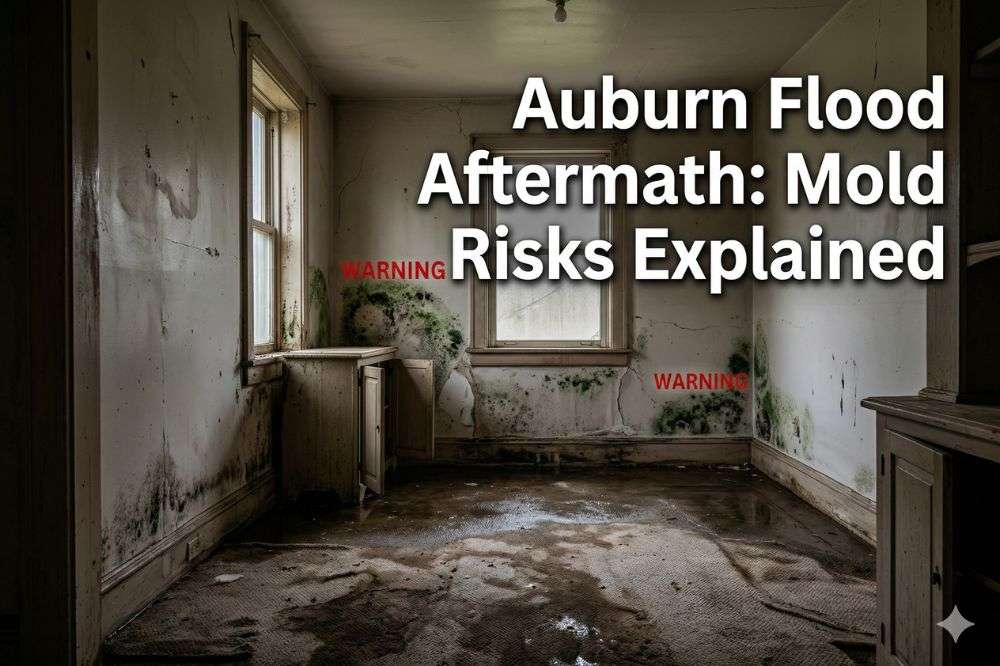
Water damage is stressful on its own—but what many homeowners don’t realize is that mold can begin growing within 24 to 48 hours after water exposure. (Agency, 2025) Whether the damage comes from a burst pipe, flooding, a roof leak, or appliance failure, mold prevention must start immediately.
This guide breaks down exactly how mold forms, the steps to prevent it, common mistakes to avoid, and when professional help is essential.
Why Mold Is a Serious Risk After Water Damage
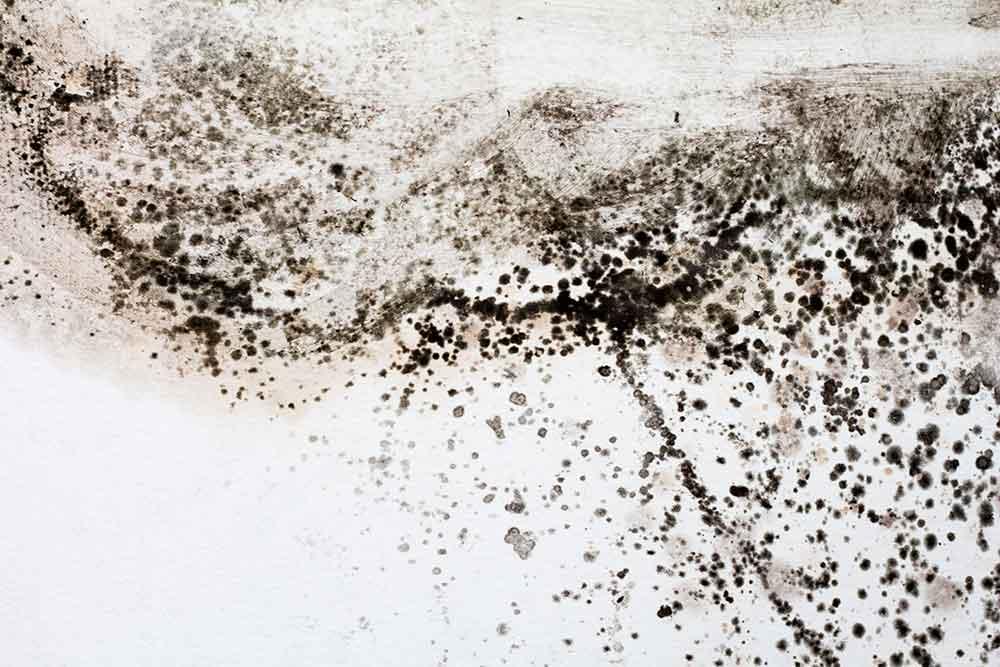
Mold isn’t just a cosmetic issue. Once moisture enters a structure, mold spores—which already exist naturally in the air—can rapidly colonize damp surfaces.
Mold needs only three things to grow:
- Moisture: Leaks, flooding, or high humidity.
- Organic material: Wood, drywall, insulation, or carpet.
- Time: As little as 24–48 hours. (Agency, 2008)
Why Prevention Matters
If ignored, mold can lead to significant structural damage and health complications. For a deeper look at how this impacts your well-being, see our detailed guide on the health effects of indoor mold exposure.
- Health Risks: Triggers asthma, chronic sinus problems, and respiratory issues. (Health Problems | Mold, 2025)
- Property Value: Weakens structural materials and reduces home resale value.
- Cost: Leads to expensive remediation if the colony becomes established.
The First 24 Hours: The Critical Window
The first day after water damage occurs is the most important timeframe for mitigation.
1. Stop the Water Source
No drying effort will work if water continues entering the structure.
- Shut off the main water supply (if plumbing-related).
- Patch roof leaks temporarily with tarps.
- Call emergency services if flooding is ongoing.
2. Remove Standing Water
Standing water dramatically accelerates mold growth. Use wet/dry vacuums, submersible pumps (for heavy flooding), or towels and mops for small areas. The goal is zero visible water within hours.
3. Begin Aggressive Drying
Drying is the single most important step in mold prevention.
- Air Movement: Use high-powered industrial fans (household fans are usually insufficient).
- Dehumidification: Use commercial-grade dehumidifiers to pull moisture from the air.
- Ventilation: Open windows only if outdoor humidity is significantly lower than indoors.
Controlling Hidden Moisture
One of the biggest reasons mold spreads is hidden moisture. Even if surfaces look dry, water may be trapped in:
- Behind drywall and inside wall cavities.
- Under carpet padding or hardwood/laminate floors.
- Inside HVAC ducts and insulation.
Pro Tip: Pull baseboards to allow airflow into wall cavities and use moisture meters to verify that the internal structure is actually dry. (Health, 2012)
Cleaning & Sanitizing
Drying alone isn’t always enough; mold spores must be neutralized.
- Porous vs. Non-Porous: Use EPA-approved antimicrobial cleaners on tile, metal, and plastic.
- Natural Alternatives: White vinegar is effective for small, non-porous areas.
- Safety Warning: Never mix bleach and ammonia. Furthermore, bleach alone often fails to eliminate mold “roots” in porous materials like wood.
Materials That Must Be Removed
Some materials simply cannot be saved once saturated. Trying to dry these often leads to hidden mold growth later.
- Drywall: If soaked for over 24–48 hours.
- Carpet Padding: Almost impossible to dry effectively once saturated. (Water Damage Restoration Guidelines, n.d.)
- Insulation & Ceiling Tiles: These act like sponges and must be replaced.
[!IMPORTANT]
If you find yourself needing to tear out materials and treat a large-scale issue, refer to our complete guide to mold remediation for homeowners to ensure the process is done safely and thoroughly.
Common Mistakes to Avoid
- Waiting too long: Delaying action for even 48 hours allows mold to take hold.
- Surface drying only: Dry floors do not mean dry subfloors.
- Painting over damp areas: This traps moisture and accelerates rot and mold.
- Ignoring odors: A “musty” smell is often the first sign of hidden growth.
When to Call a Professional
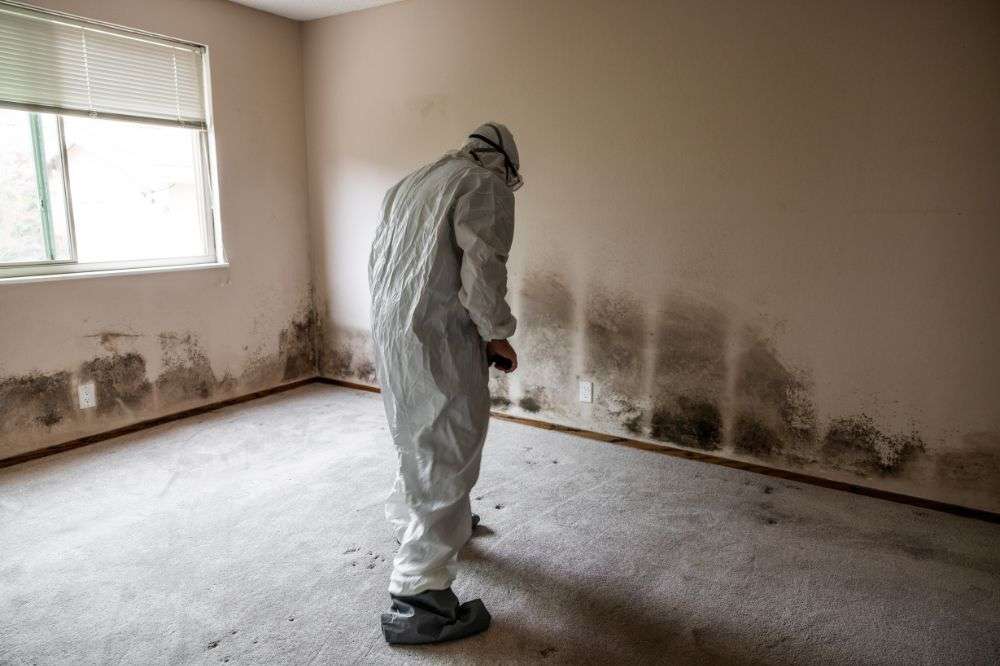
DIY methods work for minor incidents, but professional help is essential when:
- Flooding covers a large area.
- Water has sat for more than 24 hours.
- Black water (sewage) is involved.
- You notice warped floors, bubbling paint, or persistent earthy odors.
Long-Term Prevention Checklist
| Inspect plumbing & appliance hoses | Annually |
| Clean gutters & downspouts | Bi-Annually |
| Service HVAC systems | Annually |
| Monitor indoor humidity (keep 30%–50%) | Monthly |
Final Thoughts: Mold prevention is about speed, drying, and awareness. If water damage occurs, act immediately. The faster moisture is controlled, the safer—and healthier—your home will remain.