Mold is more than just an unsightly problem — it can seriously affect the health of everyone in your household. While mold growth often starts after water damage, leaks, or high indoor humidity, the real danger lies in the tiny spores mold releases into the air. Breathing in these spores regularly can lead to allergies and respiratory problems, and in severe cases, long-term illness.
In this guide, we’ll explore the health risks of mold exposure, who is most at risk, and how to protect your home and family from its harmful effects.
Why Mold Grows Indoors
Mold thrives anywhere there’s moisture, warmth, and organic material like wood, drywall, or fabric. Common triggers include:
- Plumbing or roof leaks
- High indoor humidity (above 50%)
- Water damage that wasn’t properly dried
- Poor ventilation in bathrooms, kitchens, and basements
To learn how to prevent mold at the source, see our blog on Signs of Hidden Water Damage in Walls & Floors.
How Mold Exposure Affects Your Health
When mold grows indoors, it releases spores and mycotoxins that can trigger a wide range of health problems. Effects vary depending on exposure level and individual sensitivity, but common issues include:
1. Allergic Reactions
Mold spores are powerful allergens. People sensitive to mold may experience:
- Sneezing, runny or congested nose
- Itchy, red, or watery eyes
- Skin rashes or hives
Symptoms are often worse indoors and improve when leaving the building, which is a key clue. Learn more about mold allergy symptoms.
2. Respiratory Problems
Inhaling mold spores can irritate the lungs and airways, leading to:
- Persistent coughing or wheezing
- Shortness of breath
- Aggravated asthma attacks
Children, seniors, and those with preexisting respiratory conditions are particularly vulnerable. For more guidance, see CDC: Mold and Health.
3. Sinus and Chronic Infections
Long-term mold exposure can inflame sinus passages, resulting in:
- Chronic sinusitis
- Frequent colds or respiratory infections
- Headaches and facial pressure
These issues are common when mold is hiding in HVAC systems or behind walls. Learn more about mold in homes and buildings.
4. Toxic Reactions to Mycotoxins
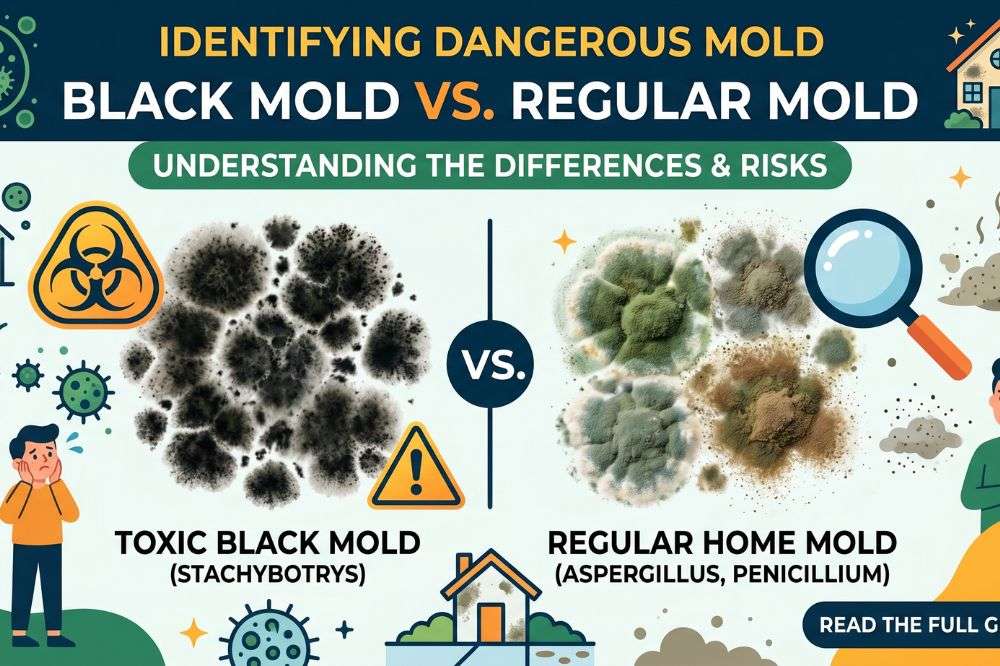
Certain molds, like Stachybotrys chartarum (black mold), produce mycotoxins. High or prolonged exposure can cause:
- Neurological symptoms (brain fog, dizziness, memory issues)
- Chronic fatigue
- Nausea and immune suppression
These severe effects are rare but possible in buildings with extensive mold infestations.
Who’s Most at Risk from Mold Exposure
While mold can affect anyone, certain groups are especially susceptible:
- Infants and young children
- Elderly adults
- People with asthma, COPD, or allergies
- Individuals with weakened immune systems (e.g., due to illness, chemotherapy, or organ transplants)
If anyone in your home is experiencing unexplained health issues, it’s wise to schedule an indoor mold inspection to rule out mold as a hidden cause.
Warning Signs of Mold in Your Home
Because health symptoms can be vague, it’s important to watch for environmental clues of mold:
- Persistent musty or earthy odors
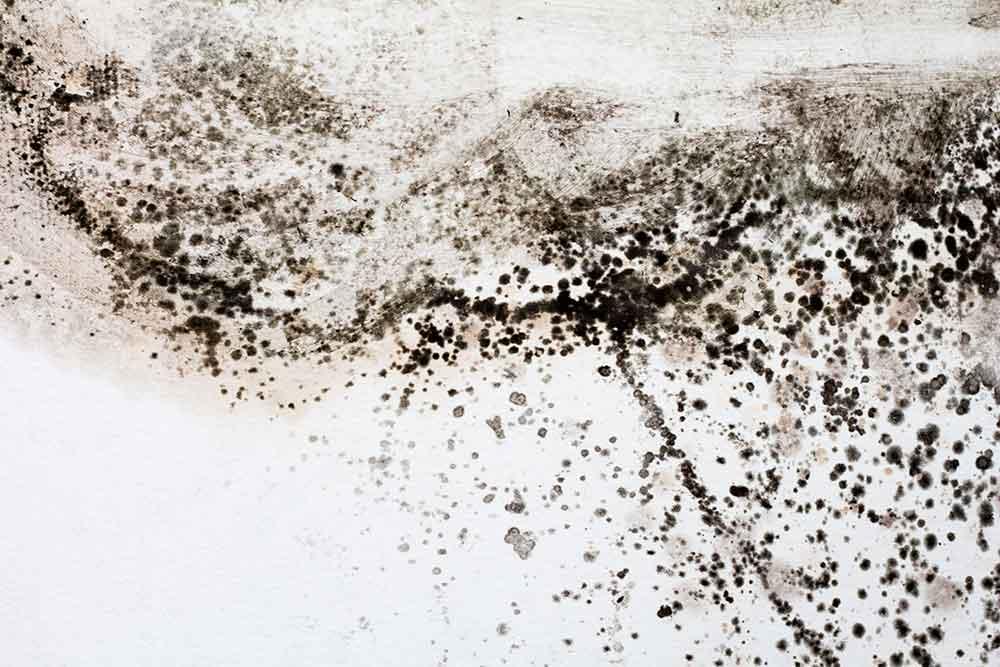
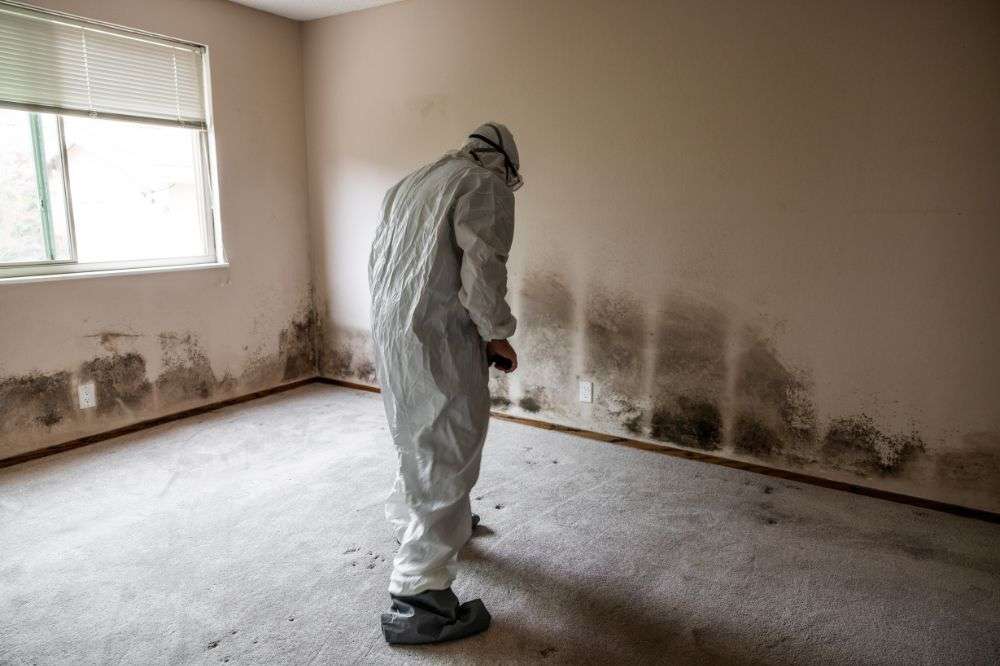
- Visible mold patches on walls, ceilings, or baseboards
- Water stains or recent water damage
- High humidity or condensation on windows
Learn more about signs of mold growth and how to detect hidden infestations.
What to Do If You Suspect Mold Exposure
If you think mold might be affecting your family’s health, act quickly:
- Seek medical advice, especially if symptoms are severe or persistent.
- Avoid disturbing visible mold, which can release more spores.
- Schedule a professional mold remediation service to safely remove the contamination.
- Identify and fix the moisture source to prevent future growth.
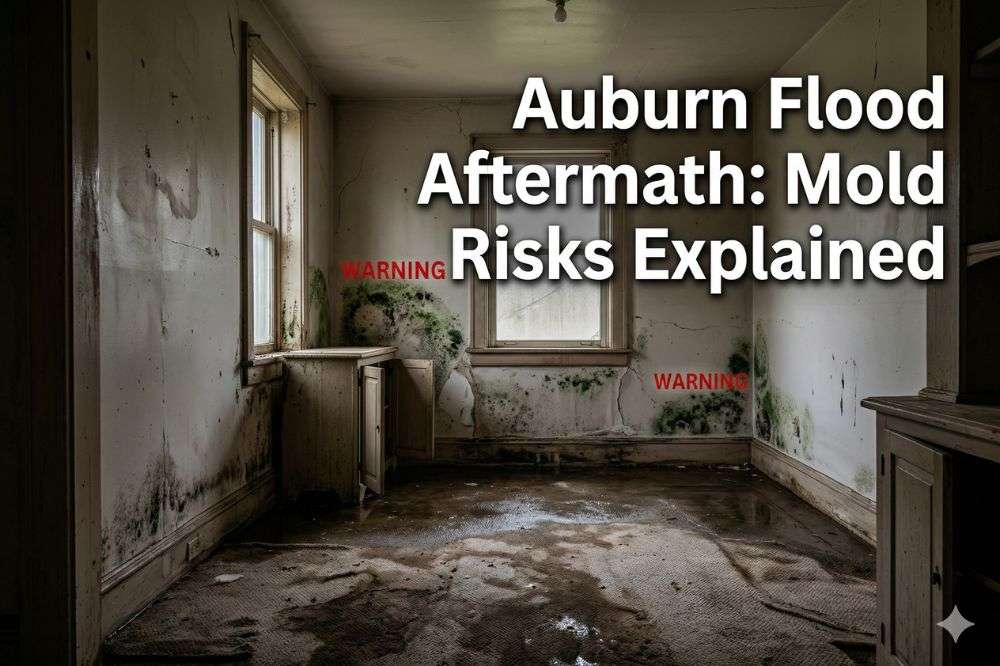
- For situations caused by leaks or flooding, our Water Damage Restoration Services can fully dry and restore your property.
- Learn more about maintaining a healthy home with our Mold Remediation Guide for Homeowners.
Final Thoughts: Protect Your Home, Protect Your Health
Indoor mold is more than an inconvenience — it can silently harm your health and lower your quality of life. Recognizing the symptoms of mold exposure and addressing moisture problems quickly can prevent long-term illness and costly property damage. For additional information, visit the EPA’s Mold Resources and CDC Mold Facts pages.