Dark patches on the bathroom wall or a musty basement smell can trigger instant worry—especially amid “toxic black mold” stories.
What Is Mold, and Why Does It Grow Indoors?
Mold is a fungus that spreads by releasing microscopic spores into the air. These spores exist everywhere—indoors and outdoors—and can’t be eliminated. The U.S. Environmental Protection Agency (EPA) says you can’t remove all indoor mold or spores. The key is controlling what fuels their growth: moisture.
When spores land on a damp surface, they colonize and spread. Indoors, mold usually grows on drywall, wood framing, ceiling tiles, carpet, insulation, and other organic materials where moisture is present. Leaky pipes, roof leaks, flooding, or high humidity all create conditions that allow mold to thrive.
Regular Mold: Common, But Not Harmless
“Regular” mold refers to the many common species found in homes, such as Cladosporium, Penicillium, and Aspergillus. These molds vary in color (green, gray, white, brown, or black) and texture (fuzzy, powdery, or velvety), which can make them resemble black mold at a glance. However, they differ from black mold in the level of toxins they typically produce and the specific conditions required for growth.
Regular mold grows in areas with moderate moisture, such as bathroom tiles, window frames, kitchen sinks, or poorly ventilated closets. According to the Centers for Disease Control and Prevention, the speed at which mold spreads or its color does not determine how toxic or dangerous it may be, and even less visibly harmful molds can still carry health risks.
Regular mold can still trigger allergic reactions, worsen asthma symptoms, irritate the eyes and throat, and cause respiratory issues — particularly for children, the elderly, and anyone with a compromised immune system. The CDC confirms that mold exposure can cause upper respiratory tract symptoms, including coughing and wheezing, even in otherwise healthy individuals.
Black Mold (Stachybotrys Chartarum): The One to Take Seriously
“Toxic black mold” generally refers to Stachybotrys chartarum, a specific mold species known for its dark greenish-black, slimy appearance. Unlike many common indoor molds, it grows slowly and requires constant, heavy moisture, thriving only in persistently wet areas and on cellulose-rich materials like drywall or wood. Its growth criteria and risks clearly distinguish it from typical household molds.
What Makes It Different: Mycotoxins
What sets Stachybotrys chartarum apart from regular mold is its ability to produce mycotoxins—compounds significantly more toxic than the allergens associated with common molds. These mycotoxins can be inhaled, absorbed, or ingested and pose more severe health risks than those typically associated with regular molds.
- Chronic respiratory problems and persistent coughing
- Severe headaches and fatigue
- Memory loss and difficulty concentrating
- Skin and eye irritation
- Immune system suppression
- In severe cases, neurological symptoms
Those most at risk from black mold include infants, young children, elderly individuals, pregnant women, and anyone with existing respiratory issues, allergies, or weakened immune systems. If your household includes someone in these groups, seek professional assessment promptly if you suspect mold.
An Important Caveat: Not All Black Mold Is Toxic
A key distinction: not all dark or black-colored molds are Stachybotrys chartarum. Common household molds like Cladosporium and Nigrospora can appear nearly black but generally do not produce significant mycotoxins. Thus, color alone cannot reliably indicate a mold’s toxicity—a laboratory test is needed for accurate identification.
How to Tell Them Apart (and Why It’s Hard)
Some general visual clues can help differentiate black mold from common mold, but none are definitive without professional testing:
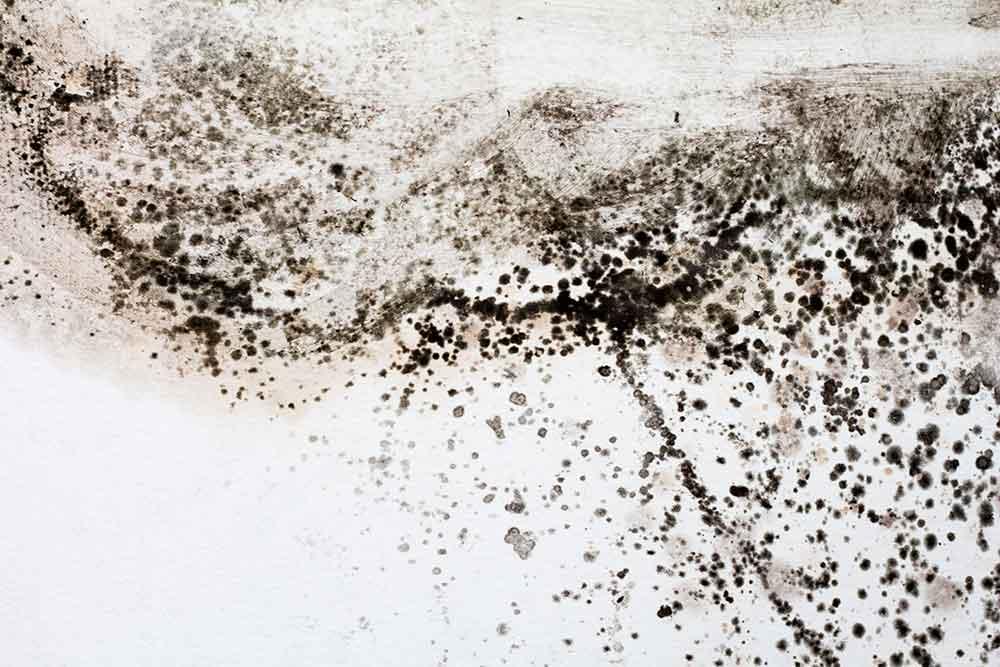
- Texture: Black mold (Stachybotrys) often has a wet, slimy appearance. Regular mold is often drier and fuzzier.
- Location: Black mold is almost always found in areas with a history of chronic water damage — flooded basements, behind walls with slow leaks, under flooring. Regular mold appears in areas of ordinary dampness, like bathrooms. Odor: Black mold typically produces a stronger, more pungent musty smell, often described as earthy or like wet wood. Regular mold has a milder, more general musty scent.
- Growth pattern: Black mold forms dense, concentrated colonies. Regular mold tends to spread in wider, more scattered patches.
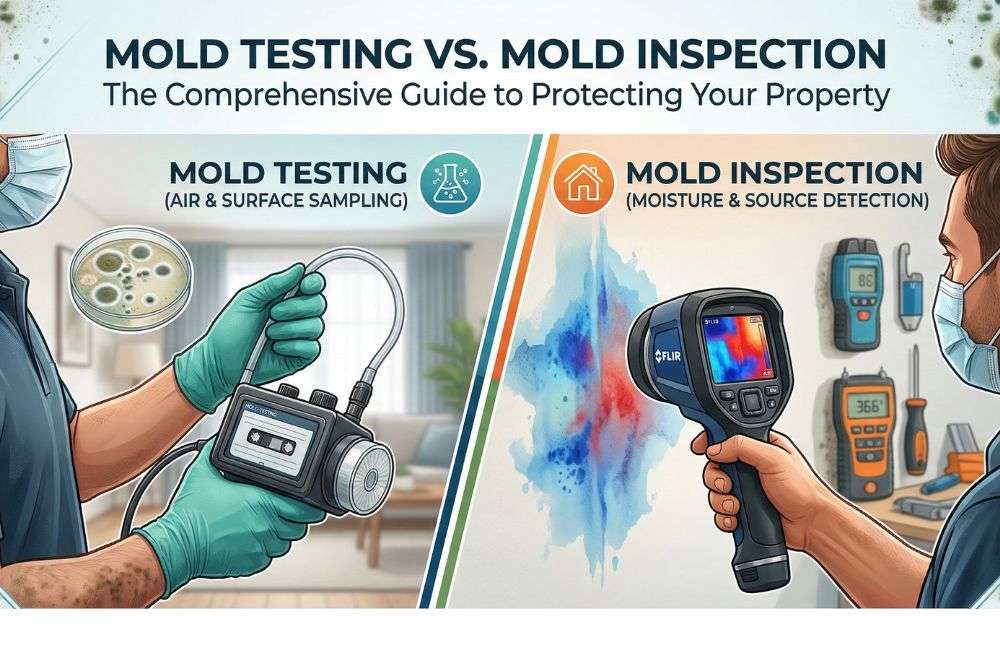
Despite these differences, both the CDC and NIOSH note that visual inspection alone cannot definitively identify mold species. Only laboratory testing of samples can confirm the type. That’s why professional remediation companies use specialized testing protocols rather than simply relying on appearance.
Should You Panic? Here’s an Honest Answer
The short answer: don’t panic—just act. Here’s a balanced view:
Panicking leads to hasty choices—like aggressive DIY removal, which can disturb mold and release spores, spreading contamination through your home. Scrubbing mold without proper containment is often more harmful than waiting for professionals.
On the other hand, ignoring mold — or assuming it’s “just a little mold” — is equally dangerous. The EPA is clear: if mold is growing in your home, it must be removed, and the moisture source must be fixed. Without addressing the underlying water problem, the mold will always come back, regardless of how thoroughly it was cleaned. Mold also causes structural damage to whatever it grows on — drywall, wood framing, insulation — and the longer it’s left, the more extensive (and expensive) the repair.
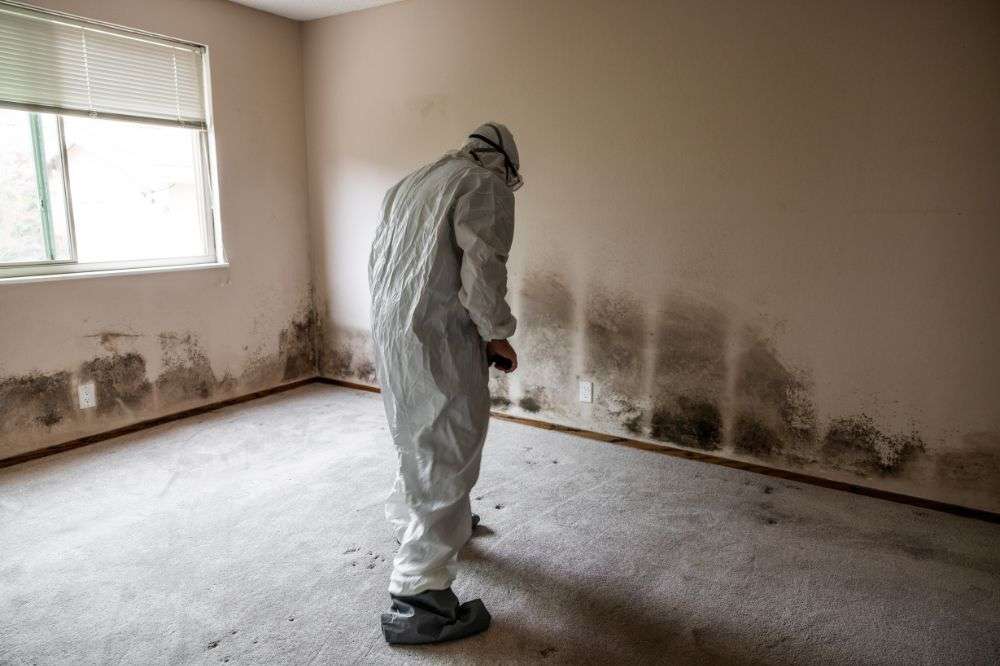
The best course of action is a calm, prompt, and professional response. Any mold — black or otherwise — warrants attention. If the affected area is small (less than 10 square feet), minor cleanup with proper protective equipment may be appropriate for non-toxic mold. But if the growth is larger, if it’s in a hidden location like inside walls or under flooring, or if you suspect it may be Stachybotrys, professional remediation is the only safe path forward.
Mold in Washington: Why This Region Needs Extra Vigilance
Homeowners in Auburn, Kent, Seattle, Bellevue, and Tukwila face a climate ideal for mold. Washington’s long rainy seasons, high humidity, and mild temperatures create prime conditions year-round. Homes are more prone to moisture entering through roofs, walls, and crawl spaces, which often remain damp for months.
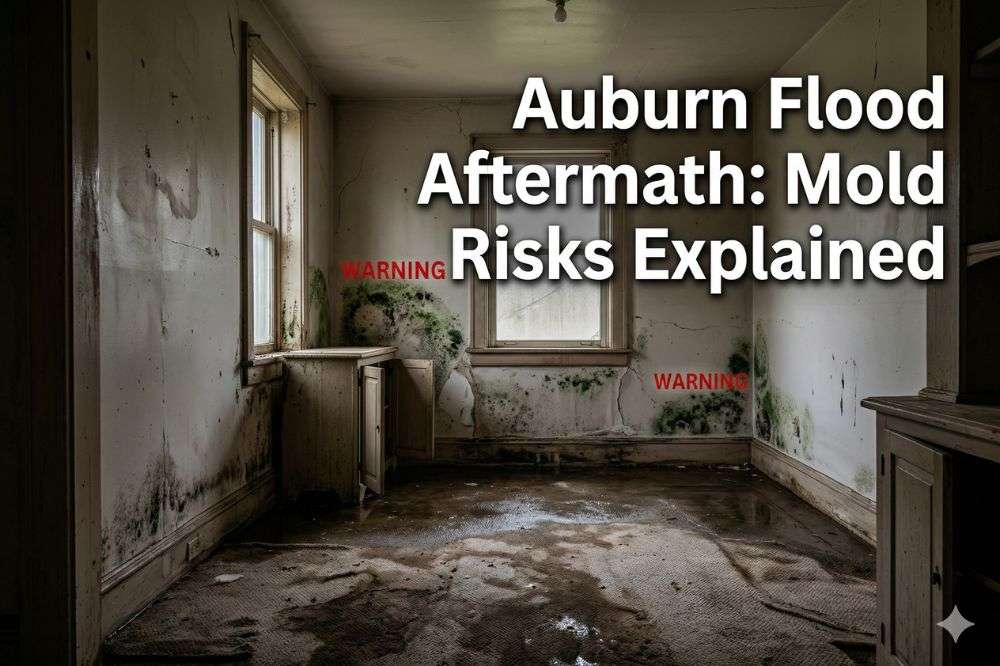
After water damage—such as from a burst pipe, storm, or roof leak—mold can develop within 24 to 48 hours. Delayed action increases the risk of both common and more serious molds. Prompt moisture control is your best defense against any mold.
When in Doubt, Call a Professional
Whether you’re looking at fuzzy green growth on your bathroom grout or a dark, slimy patch spreading behind a water-damaged wall, the smartest move is the same: don’t guess, and don’t go it alone. The difference between black mold and regular mold has real consequences for your health and your home — but you can’t tell them apart with the naked eye.
Professional testing, proper containment, and thorough remediation are the only ways to ensure the problem is fully resolved and won’t recur.
If you’ve spotted mold anywhere in your Auburn, Kent, Seattle, Bellevue, or Tukwila home — or if you’ve experienced recent water damage and want to get ahead of the problem — DKJAY Restorations is available 24/7 for emergency response and mold assessment. Our certified mold remediation specialists will identify the type and extent of the growth, safely contain it, remove it completely, and address the moisture source to prevent recurrence. Call us today for a free consultation and let our team give you the clarity — and peace of mind — you need.