When water invades your home, the consequences can spiral quickly — from structural damage to mold growth, ruined valuables, and costly repairs. But here’s the catch most homeowners don’t realize: not all water damage is the same, and not all of it is treated equally by insurance companies.
Specifically, the difference between water damage and flood damage is critical. This distinction impacts:
- Insurance coverage
- Restoration strategy
- Cost
- Risk of health hazards
- Long-term structural integrity
This guide covers causes, classifications, restoration, and home protection. First, let’s clearly define what qualifies as water damage.
What Is Water Damage?
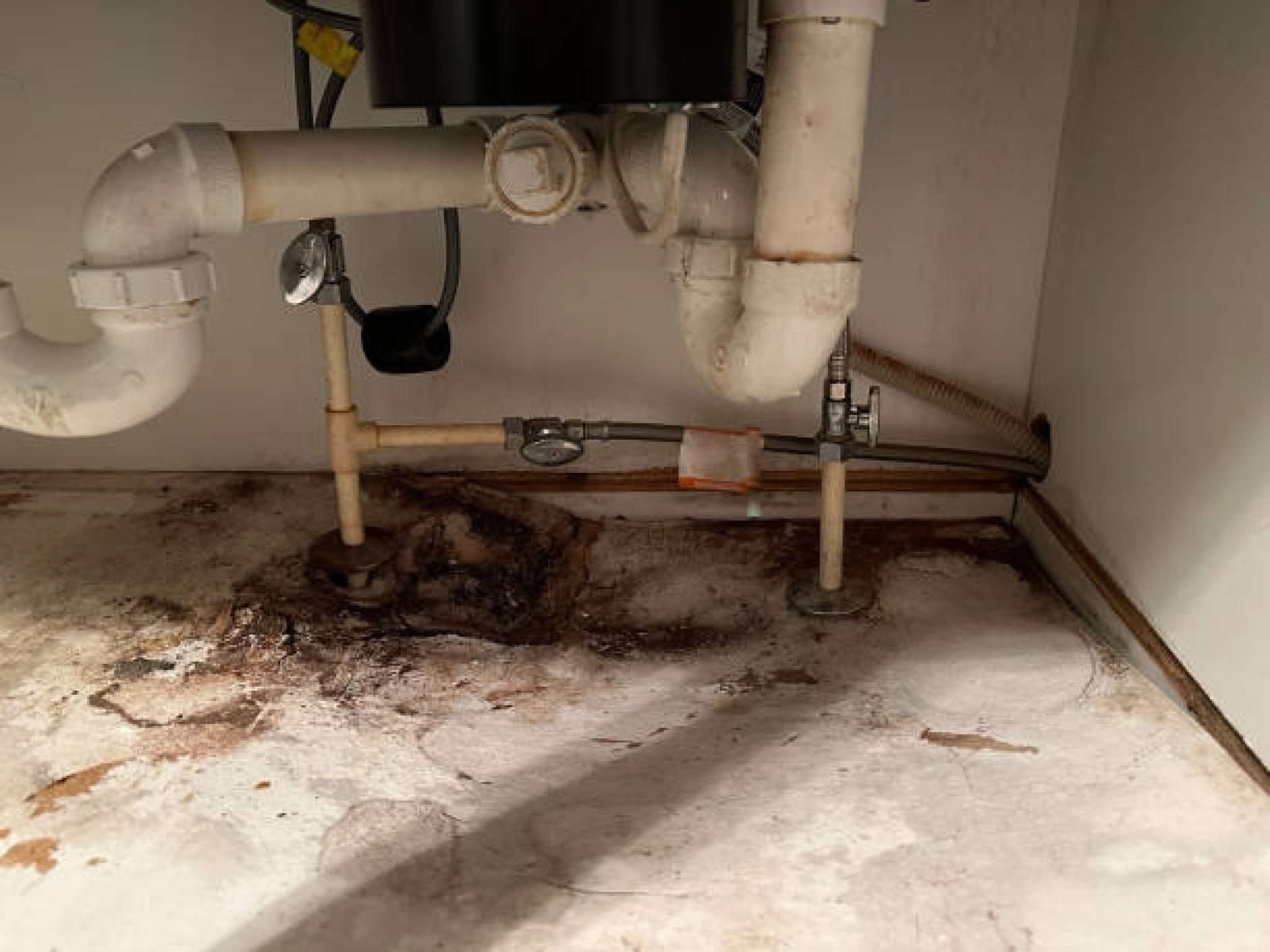
Water damage refers to damage caused by water that originates from a controlled or isolated source inside the property — such as plumbing systems, appliances, fixtures, or direct roof leaks.
Water damage often occurs suddenly and unexpectedly.
How Water Damage Happens
Common water damage triggers include:
- Burst or frozen pipes
- Leaky plumbing fittings
- Overflowing sinks, toilets, or showers
- Washing machine, dishwasher, or water heater malfunctions
- Roof leaks during storms
- HVAC condensation pan overflows
These events typically affect isolated sections of a home or building.
Insurance Perspective
Most standard homeowners’ insurance policies (such as the HO-3 policy) will cover sudden and accidental water damage from internal sources, but this coverage does not extend to damage resulting from neglect or lack of maintenance. Importantly, these policies specifically exclude damage caused by flooding originating outside the home.
For example:
- A sudden pipe burst is generally covered.
- A slow leak that worsens when ignored is usually not covered.
This is why understanding the source and timing of water intrusion matters immensely.
Now that we’ve explored water damage, let’s clarify what sets flood damage apart.
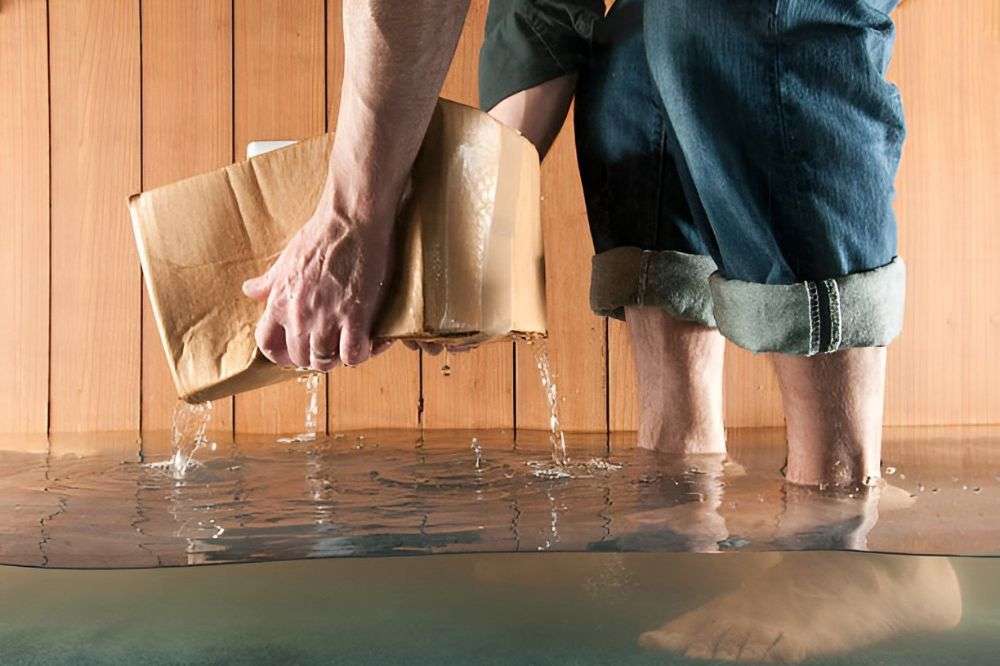
Flood damage refers to damage caused by surface water rising from outside the property and infiltrating through doors, windows, foundation cracks, or other entry points — usually on a widespread scale.
Official Definition
According to the Federal Emergency Management Agency (FEMA), a flood is:
“A general and temporary condition of partial or complete inundation of normally dry land from overflow of inland or tidal waters, heavy rainfall, rapid snowmelt, or combinations of these conditions.”
This definition is crucial because insurance policies rely on it for coverage.
Typical Flood Causes
Flood events can happen when:
- Heavy rainfall overwhelms drainage systems.
- Nearby rivers overflow
- Storm surges push water inland.
- Dam or levee failures occur.
- Rapid snowmelt increases water runoff.
Unlike water damage to isolated areas, floods impact wider communities.
Water vs. Flood Damage — The Core Difference
The biggest determining factor is simply where the water comes from.
| Aspect | Water Damage | Flood Damage |
| Source of Water | Inside the home | From outside the home |
| Insurance Coverage | Usually covered under standard policy | Requires separate flood insurance |
| Contamination Risk | Low–medium | Usually high |
| Damage Spread | Localized | Potentially widespread |
| Typical Causes | Plumbing, appliances, roof leaks | Heavy rain, overflowing rivers, storm surge |
Rule of Thumb
If water begins inside the structure and originates from internal systems, it is water damage.
If water enters from outside, it’s flood damage.
Why the Distinction Matters for Insurance
Insurance companies differentiate sharply between flood damage and water damage: each type requires separate consideration and can impact your claims process and coverage options.
Water Damage Coverage
Most homeowner’s policies cover:
- Burst pipes
- Water heater failures
- Sink/tub overflows
- Roof leaks (depending on cause)
But they do not cover gradual deterioration or neglect.
To learn more about how water damage happens — including hidden triggers — check out our detailed Comprehensive Guide on Water Damage Restoration.
Flood Damage Coverage
Flood damage is not covered under standard homeowners’ insurance. Coverage requires:
- A separate flood insurance policy
- Often purchased through the National Flood Insurance Program (NFIP)
Just an inch of floodwater can cause serious losses. Without dedicated flood insurance, all flood-related recovery costs are the homeowner’s responsibility.
Key Water Contamination Categories
Professional restorers classify water based on contamination level. These distinctions determine cleanup strategy and safety protocols.
Category 1 — Clean Water
Water that is free of harmful contaminants.
Typical Sources:
- Broken supply lines
- Faucet or tub overflows without contaminants
Category 2 — Gray Water
Water contains some contaminants and potential health risks.
Typical Sources:
- Washing machines
- Dishwasher discharges
- Toilet overflow without solid waste
Category 3 — Black Water
Water that poses serious health hazards.
Typical Sources:
- Sewage backups
- Floodwater from external sources
- Standing water with microbial growth
Flood events are almost always Category 3, due to bacteria, viruses, and chemical contaminants.
Structural Impact Differences
Although both water and flood damage can be destructive, flood damage is typically more severe.
Water Damage Structural Effects
- Warped wood flooring
- Swollen drywall and baseboards
- Rusted metal elements
- Insulation saturation
- Early-stage mold growth
Flood Damage Structural Effects
- Foundation erosion
- Soil displacement and settling
- Severe contamination in the walls and floors
- HVAC system infiltration
- Full replacement of building materials
Due to contamination and volume, flood damage often requires more demolition and reconstruction than typical water damage.
Mold: A Shared Threat
Regardless of the category, mold can begin growing within 24–48 hours of water exposure.
Floodwater poses an especially high mold risk because it:
- May remain trapped in building cavities
- Carries more contaminants
- Delays complete drying without professional equipment
Professional drying systems, including industrial fans and dehumidifiers, significantly reduce mold risk when applied quickly.
To learn exactly what to do immediately when you discover water damage, read: What to Do Immediately After Water Damage Occurs — A Step-by-Step Guide for Homeowners.
Step-by-Step Restoration Processes
Restoration steps depend on the water’s cleanliness and source.
Water Damage Restoration
- Emergency water extraction
- Moisture mapping and measurement
- Structural drying and dehumidification
- Sanitizing and odor control
- Repair and reconstruction
Flood Damage Restoration
- Safety assessment and contamination evaluation
- Removal of all contaminated materials
- Debris cleanup
- Heavy sanitization and disinfection
- Industrial drying
- Mold remediation (if necessary)
- Full structural reconstruction
Flood events often require full demolition of drywall, insulation, and flooring, depending on contamination levels.
Cost Differences & Why They Matter
The overall cost to repair flood damage is typically much higher than water damage due to:
- Volume of water
- Contaminated materials
- Demolition and rebuild costs
- Mold remediation
- Specialized equipment needs
Without flood insurance, homeowners face hundreds of thousands of dollars in out-of-pocket expenses.
Prevention Strategies
Prevention is more affordable than restoration.
Reducing Water Damage Risk
- Conduct annual plumbing inspections.
- Install leak sensors and automatic shutoff valves.
- Maintain roof and gutters.
- Insulate pipes in cold climates.
- Clean appliance hoses regularly
Reducing Flood Risk
If you live in or near a flood zone:
- Elevate utilities above flood level.
- Install backflow prevention systems.
- To help protect your home from water damage, FEMA advises maintaining proper water runoff and drainage by regularly cleaning gutters, downspouts, and splash pads to ensure rainwater flows away from your home as well as checking that nearby drainage ditches or storm drains are clear and working effectively.
- Purchase flood insurance
Even properties outside high-risk flood maps can flood — so preparation matters.
Final Takeaways — Be Prepared
Understanding the difference between water damage and flood damage can:
- Save you from denied insurance claims.
- Help you prepare the right policies.
- Speed up the restoration process.
- Prevent long-term issues like mold.
Water intrusion is stressful, but understanding classification helps.
If your property is impacted, acting fast is crucial. The first 24–48 hours are the most important window to:
- Extract water
- Dry and dehumidify
- Prevent mold growth
- Document damage for insurance
Planning now can save thousands— and countless headaches.