
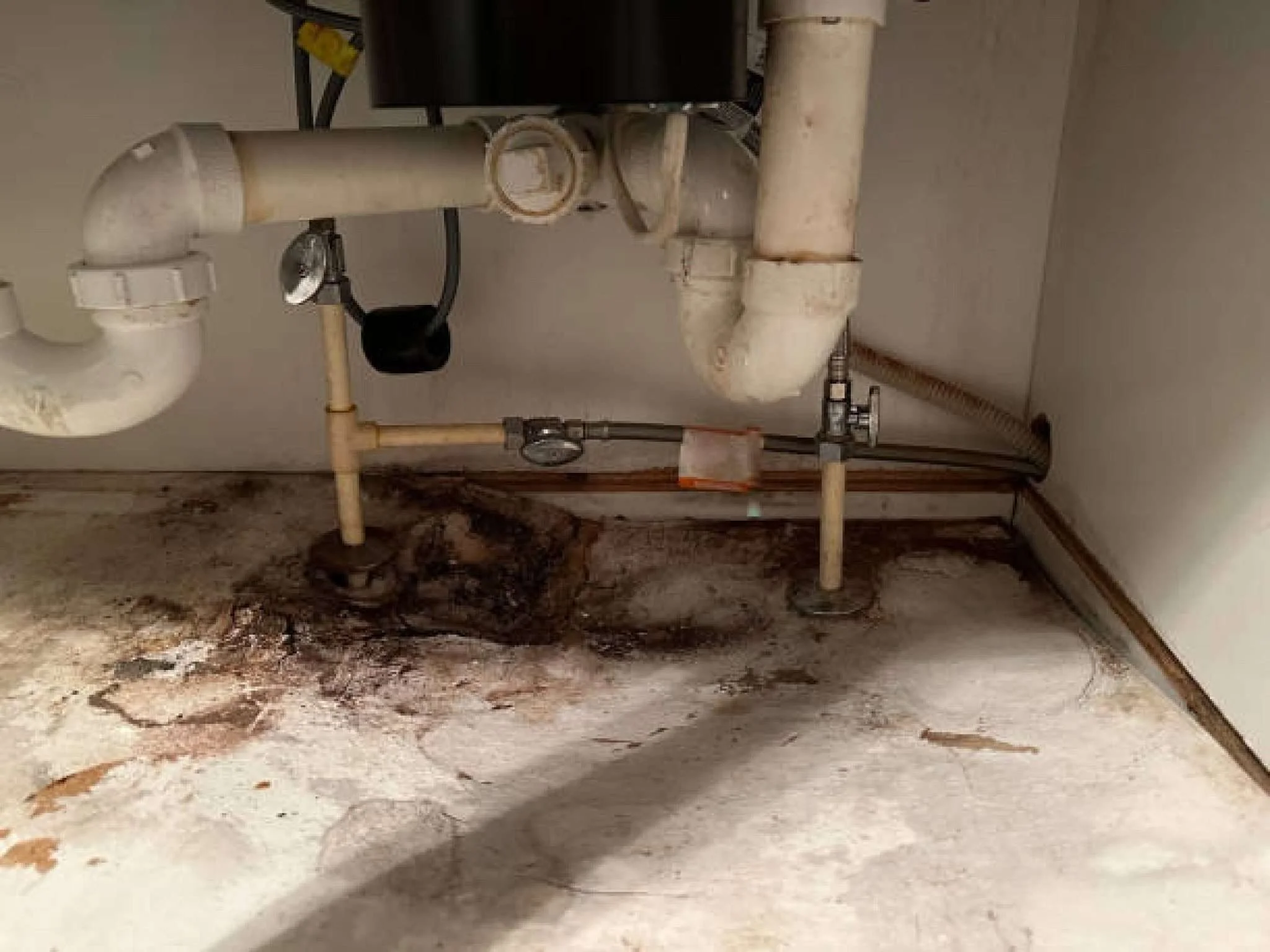
A slow leak rarely announces itself. There is no burst pipe, no flooded floor, no obvious emergency. Just a faint drip behind a wall, a slightly higher water bill, or a stain that seems to grow a little each month. Because the damage builds quietly, many homeowners wait, and waiting is exactly what turns a minor repair into a major one. This guide breaks down what a slow leak actually costs over time, the warning signs worth catching early, and why homes in the Pacific Northwest are especially vulnerable.
Why Slow Leaks Are More Expensive Than They Look
The water you can see is rarely the whole story. A leak that loses only a few drops per minute can still release thousands of gallons over a year. According to the EPA’s WaterSense program, the average household wastes around 9,400 gallons annually from leaks, and roughly ten percent of homes lose 90 gallons or more every single day. That is water you are paying for, but the utility bill is the smallest part of the cost.
The expensive damage happens where you cannot see it. Water tracks along framing, soaks into subflooring, saturates insulation, and feeds into drywall. By the time a stain appears on the ceiling or a baseboard starts to warp, the moisture has often been spreading for weeks. Catching the problem at the drip stage might cost a service call. Catching it after it has reached structural framing and finishes can mean a five-figure repair.
The Hidden Damage Timeline
Understanding how leak damage progresses makes the urgency clear. Moisture moves through a home in fairly predictable stages:
- Within 24 to 48 hours, drywall and wood begin absorbing water, and mold spores can start to colonize damp surfaces.
- Within one to two weeks, materials swell and weaken, paint blisters, and a musty smell often develops as colonies establish.
- Beyond a month: structural wood can rot, metal fasteners corrode, and remediation expands from a single area to whole-room work.
That mold timeline matters more than most homeowners realize. Once moisture sits long enough, the cleanup is no longer just about drying out a space; it becomes a question of removing established mold growth safely, which is a very different and more involved job than fixing the leak itself.
Warning Signs Worth Catching Early
Slow leaks leave clues long before they cause visible destruction. The earlier you notice them, the cheaper the fix. Keep an eye out for:
- A water bill that creeps up with no change in household usage
- Faint musty odors in cabinets, closets, or basement areas
- Discoloration, bubbling paint, or soft spots on walls and ceilings
- A water meter that keeps moving when every fixture is off
- Persistent dampness or condensation under sinks and around fixtures
A simple at-home test helps confirm a suspected leak: record your water meter reading, avoid using any water for two hours, then check it again. If the number moved, water is escaping somewhere in the system.
Why Bellevue and the Eastside Are Especially at Risk
Local conditions make slow leaks particularly damaging in this region. The Pacific Northwest’s wet climate means the ground and the air around a home already carry a high moisture load, so there is little natural drying to offset a leak. Damp crawl spaces and basements, common across the Eastside, give hidden water nowhere to evaporate.
Many Bellevue homes also have finished basements, crawl spaces, and tucked-away utility areas where a slow leak can run unnoticed for a long time. Combine that with the region’s cooler, humid conditions, and you have an environment where mold thrives, and wood stays wet. A leak that might dry out on its own in an arid climate will often keep feeding damage here. This is why prompt professional water damage cleanup matters so much locally; the conditions simply do not forgive delay.
The Real Math of Waiting
It helps to think of a slow leak as a cost that compounds. Industry claims data reviewed by iPropertyManagement shows water damage and freezing rank among the most common and costly home insurance claims, with average claims running into the thousands. A leak addressed in week one might cost a modest repair. The same leak left for three months can involve demolition, drying equipment, mold remediation, structural repair, and refinishing.
There is also an insurance angle. Many policies cover sudden and accidental water damage but exclude damage that results from long-term neglect. A leak you knew about and ignored can become a claim the insurer denies, leaving the full repair bill on you. Acting early protects both the home and your coverage.
What To Do When You Suspect a Leak
If you spot the warning signs, a few quick steps can limit the damage. Locate and shut off the water supply to the affected area if you can. Move belongings away from the wet zone and improve airflow to slow moisture spread. Then bring in a professional to find the source and assess how far the water has traveled, since the visible damage is usually smaller than the hidden damage. If you are unsure how widespread the issue has become across your property, it is worth understanding the areas served by local restoration crews so help can reach you quickly.
The Bottom Line
A slow leak is a small problem with a long fuse. The drip you ignore today is the gutted ceiling, the moldy framing, and the denied insurance claim of next season. Catching it early is almost always the difference between a quick fix and a costly rebuild, and in a wet climate like Bellevue’s, that window closes faster than most homeowners expect.
If you have noticed a stubborn stain, a musty smell, or a water bill that does not add up, DKJAY Restoration can help you find the source and stop the damage before it spreads. Serving Bellevue and the greater King County area 24/7, the team offers licensed, IICRC-certified water damage and mold response. Call (206) 819-4977 or request a consultation online to get ahead of a slow leak before it becomes an expensive one.