A burst supply line, an overflowing washer, or a slow leak behind a wall can feel like a problem you will deal with tomorrow. The trouble is that water does not wait. Within hours, it has already wicked into drywall, subfloor, and framing, and within a couple of days, the situation can shift from a cleanup to a full remediation.
For homeowners in Tukwila and the surrounding King County area, where damp conditions are the norm for much of the year, understanding the speed of water damage is the difference between saving your materials and replacing them. Here is what actually happens, hour by hour.
The First Hours: Water Spreads Faster Than You Think
Water moves immediately and in every direction. Within the first minutes to hours, it spreads across floors, follows gravity downward through ceilings and into lower levels, and wicks upward into porous materials through capillary action. Drywall, insulation, particleboard, and carpet padding behave like sponges, pulling moisture deep inside where it cannot easily be seen or felt.
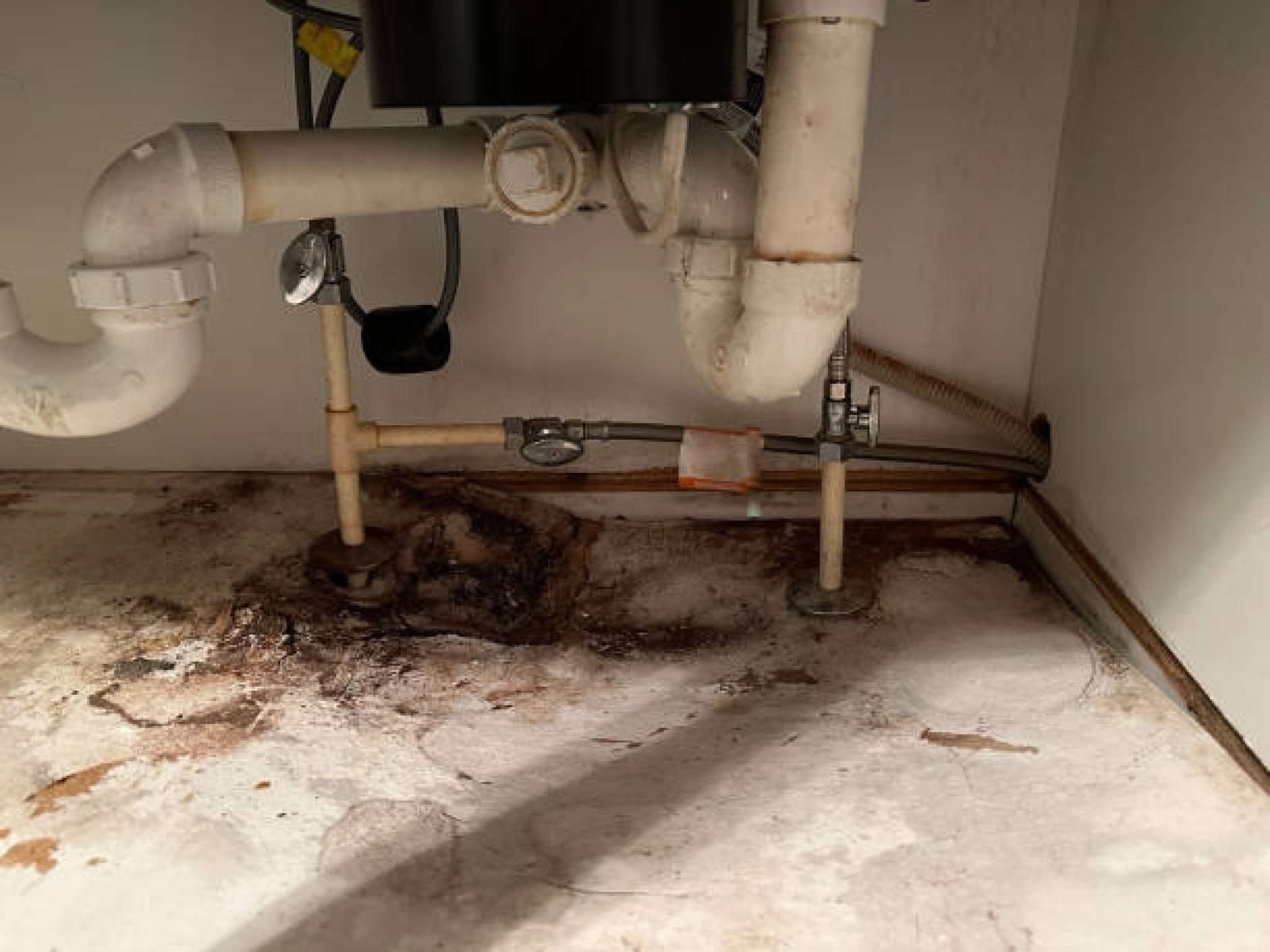
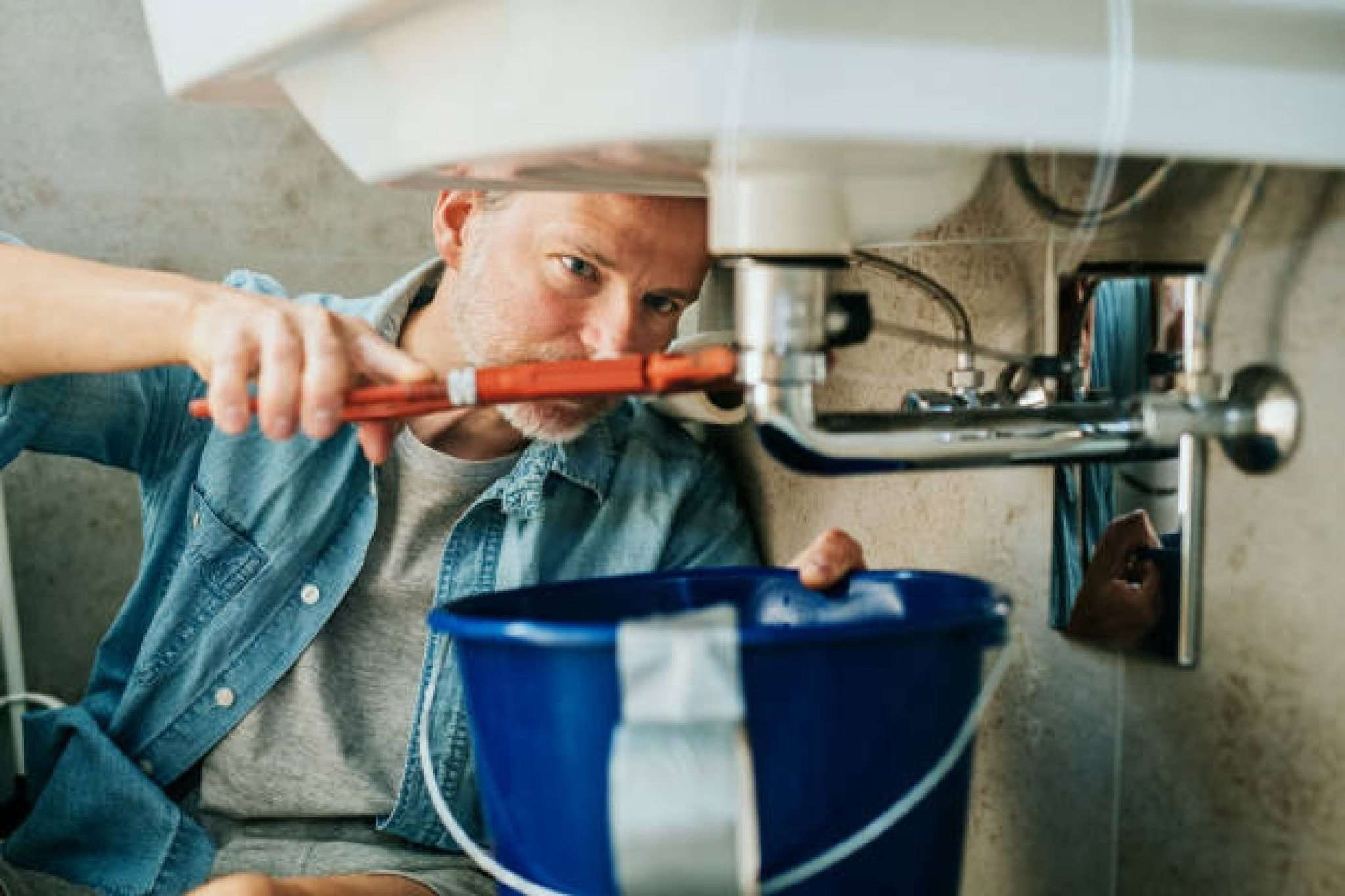
A small leak under a kitchen sink that goes unnoticed can spread inside the cabinet and into the wall cavity behind it within a single day.
This is the saturation stage. In the first 24 hours, your home’s materials are busy absorbing water. Surfaces may still look mostly normal, which is exactly why this phase is so deceptive. The damage is real and advancing even though the visible evidence is minimal, and the moisture is already reaching places a towel and a fan will never touch.
24 to 48 Hours: The Mold Window Opens
The most important number in water damage is 48 hours. According to the U.S. Environmental Protection Agency, mold can begin to grow within 24 to 48 hours of water exposure. The IICRC, which sets the S500 industry standard for water restoration, establishes the same window: under typical indoor conditions, mold spores begin to germinate within 1 to 2 days of materials remaining wet.
At this stage, the mold colonies forming beneath the surface of porous materials are not yet visible to the naked eye, though a characteristic musty odor may begin to develop.
The key variable is not the initial splash but how wet the material stays. This is also the point at which the outcome is still in your favor: materials professionally dried within 48 hours of exposure rarely develop mold, while those left wet beyond that window almost always do. The 48-hour mark is effectively the threshold between preventable and probable mold growth.
Beyond 72 Hours: From Cleanup to Remediation
Once you pass the three-day mark, the math changes sharply. Mold colonies establish and expand, producing more spores and spreading to adjacent organic material.
Growth moves from the original wet drywall into the wood framing behind it, the floor below it, and the insulation above it. Within a week, you can have visible colonies across drywall, wood, and insulation, along with the structural weakening and air-quality problems that come with established growth.
The cost follows the same curve. A water job that might have cost a few thousand dollars to dry can climb into the five figures once it becomes a remediation and rebuild.
Insurance gets more complicated, too, because carriers distinguish between a sudden, accidental event that was addressed promptly and an ongoing loss that was allowed to worsen.
The longer the delay, the harder it becomes to obtain coverage. For porous materials, the industry standard is removal rather than surface treatment, since bleach cannot reach the root structure of mold that is anchored in drywall, wood, or carpet padding.
Why Tukwila’s Climate Accelerates the Damage
Local conditions matter, and they do not work in your favor here. Mold growth slows when indoor humidity stays below about 50 percent, but the Pacific Northwest’s damp climate keeps ambient moisture high for much of the year, which means wet materials simply do not dry on their own.
Crawl spaces, basements, and poorly ventilated areas, common in the region’s housing stock, combine moisture retention with limited airflow, creating ideal conditions for rapid mold growth. If the water intrusion is connected to a damp crawl space, it helps to know how the area’s wet season drives moisture into the space beneath your home, because the two problems frequently feed each other.
It is also worth distinguishing between clean and contaminated water. The IICRC classifies water by category, and damage involving contaminated Category 2 or 3 water, damage to more than one room, or damage to HVAC systems warrants professional restoration rather than a DIY attempt.
Contaminated water introduces health risks beyond mold, and the CDC links mold exposure to respiratory problems, asthma flare-ups, and other complications, especially for children, older adults, and anyone with a compromised immune system.
What to Do in the First 24 Hours
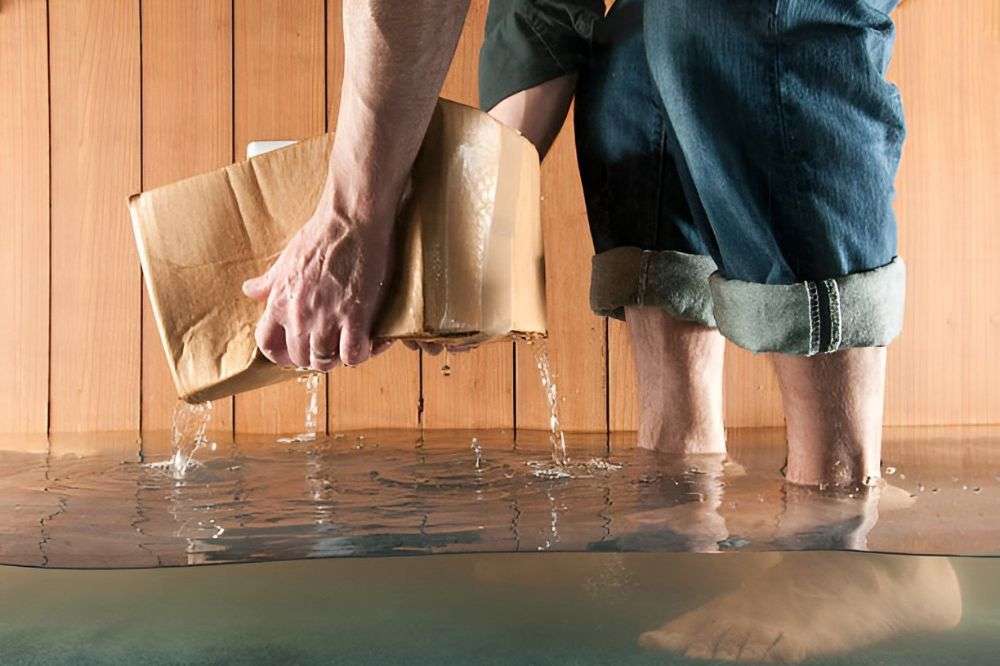
Speed is the entire game. If it is safe, stop the water at its source and shut off power to affected areas. Remove standing water and move belongings out of the wet zone.
Get air moving and reduce humidity. But understand the limits of a DIY response: household fans and a shop vac pull surface water, while the moisture that drives mold has already migrated into wall cavities, subfloor, and framing, where it cannot be reached without proper equipment and moisture mapping.
Professional restoration teams use industrial dehumidifiers and high-velocity air movers to pull moisture from materials below the roughly 15 percent threshold where mold growth stalls, and they use thermal imaging and moisture meters to find the water you cannot see.
Because the preventable-versus-probable line falls at 48 hours, the smartest move after any significant water event is to start that drying process immediately rather than waiting to see whether mold appears. By the time it is visible, the easy window has already closed.
The Bottom Line
Water damage spreads within hours, mold becomes likely within 48 hours, and colonies establish beyond 72 hours. That compressed timeline, made shorter by the region’s damp climate, is why the first two days matter more than the next two weeks. Acting fast protects your home’s structure, your indoor air, your wallet, and your insurance claim all at once.
If your Tukwila home has experienced water damage from a leak, burst pipe, appliance failure, or flooding, DKJAY Restoration offers 24/7 emergency water damage restoration in Tukwila and the greater King County area. As a WA State-licensed, IICRC-certified, BBB A+ accredited team, they can extract water, properly dry the structure, and stop mold before it starts. Call DKJAY Restoration at (206) 819-4977 or