Seattle is full of beautiful older homes, and many of them are hiding the same quiet liability behind their walls: aging pipes that were never meant to last this long. A pipe failure in one of these homes often arrives without warning: a joint lets go overnight, a corroded line splits, and a slow seep becomes a flood. Understanding why this happens and which homes are most at risk is the first step to avoiding a costly surprise.
The Materials Hiding Behind Older Walls
The single biggest factor is what the pipes are made of. Homes built before modern plumbing standards often rely on materials that have a hard expiration date, and three are especially common in the Seattle area.
Galvanized steel. Used widely from the 1920s through the 1960s, these zinc-coated steel pipes corrode from the inside out. As the Seattle Times has reported, minerals in the water gradually eat away the zinc, rust builds up, and because rust takes up more space than steel, the pipe slowly chokes itself closed before it finally fails. Any galvanized pipe still in service today is almost certainly past its intended lifespan.
Cast iron. Common in drain lines of older homes, cast iron suffers the same corrosion problem and typically needs replacing after a few decades.
Polybutylene. Installed in roughly 10 million American homes between 1975 and 1996, this gray plastic piping reacts badly with the chlorine in treated municipal water. Over time, it becomes brittle and develops tiny internal cracks, and a pipe that looks perfectly fine on the outside can be failing within.
Why Failures Happen Suddenly
The frustrating part of old-pipe failure is how abrupt it feels. The reality is that the deterioration is gradual, but the breaking point is sudden. Corrosion and brittleness build slowly and invisibly until the pipe wall can no longer hold pressure, and then it gives way all at once.
Seattle’s environment accelerates this. The region’s clay-rich soil shifts with heavy seasonal rain, putting stress on buried and underground lines, while frequent temperature swings cause pipes to expand and contract, fatiguing aging joints and seals. A line that has been quietly weakening for years can finally fail during a cold snap or after a season of ground movement. Decades of small patch repairs make it worse, because fixing one weak spot on a corroded system often just shifts the pressure to the next weak spot.
Warning Signs Your Pipes Are Near the End
Old pipes usually give hints before they fail. Catching these signs lets you replace them on your schedule instead of reacting to an emergency:
- Discolored or rusty water, especially brown or yellow tints, signals corroding galvanized steel.
- Dropping water pressure is often a sign that internal corrosion is narrowing the pipes.
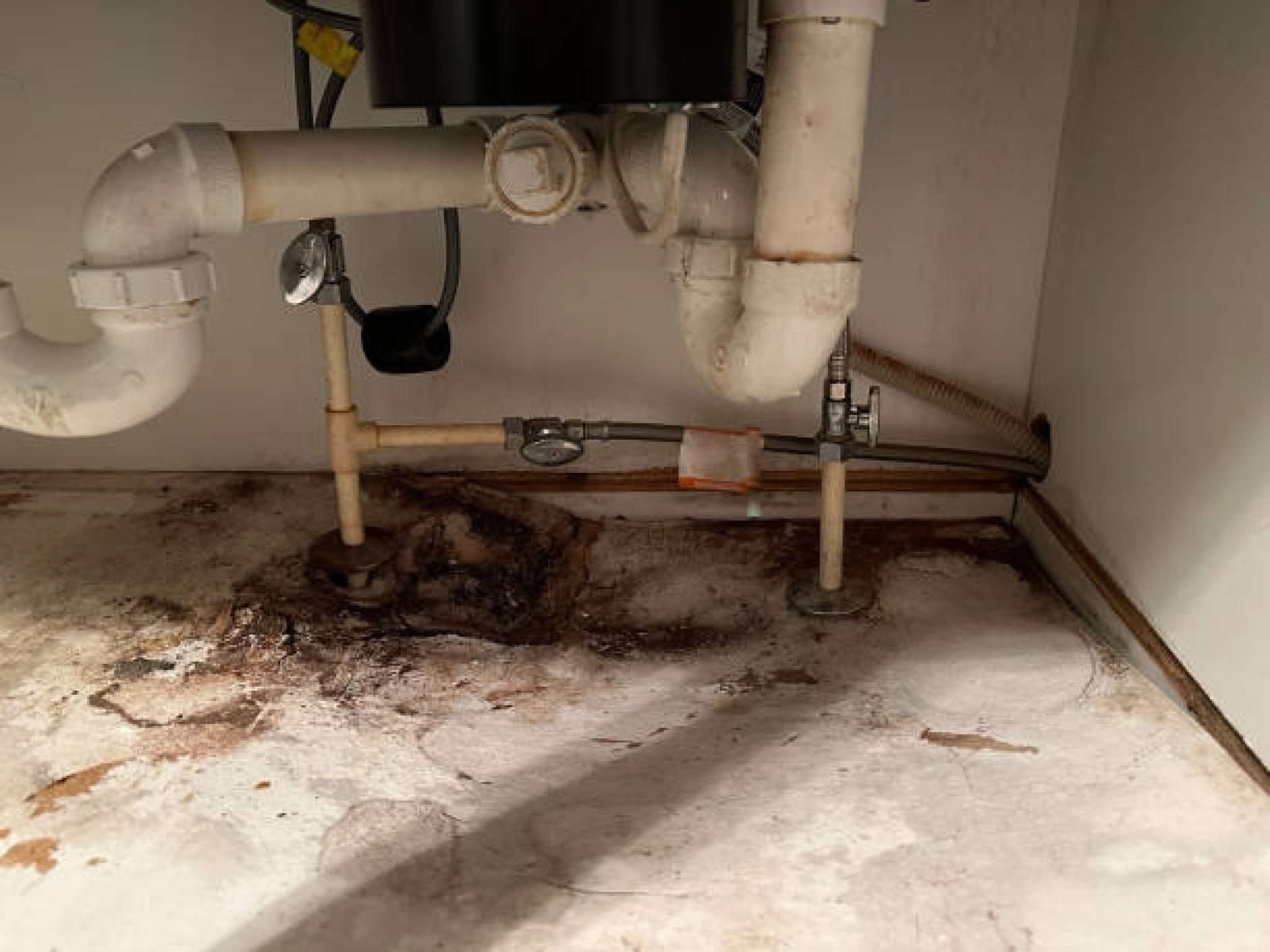
- Visible corrosion or flaking on exposed pipes in the basement or crawl space.
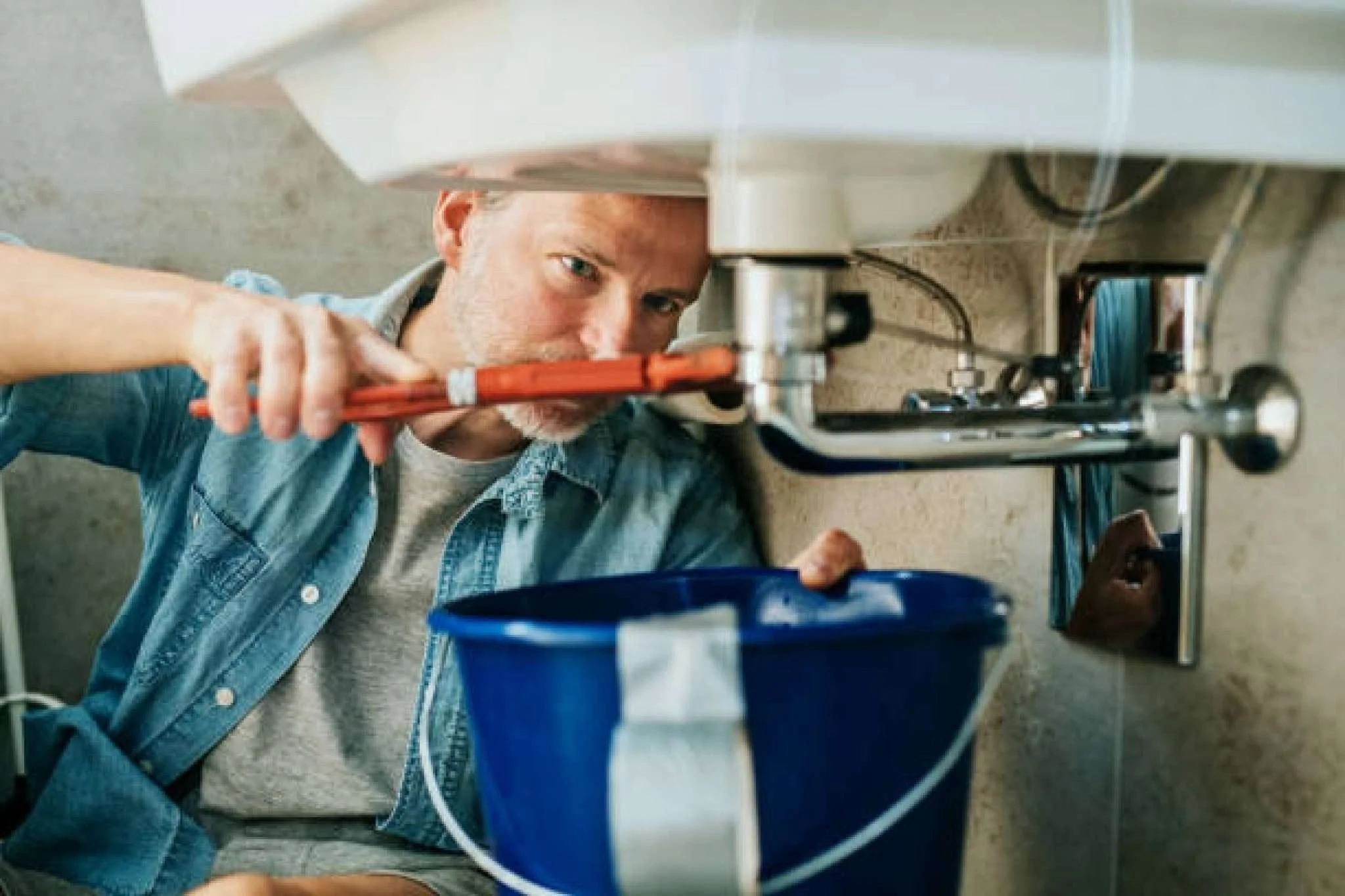
- Frequent leaks or repairs suggest the whole system, not just one section, is failing.
- Gray plastic piping is a strong indicator of polybutylene that should be evaluated.
When a Pipe Does Fail, Time Is Everything
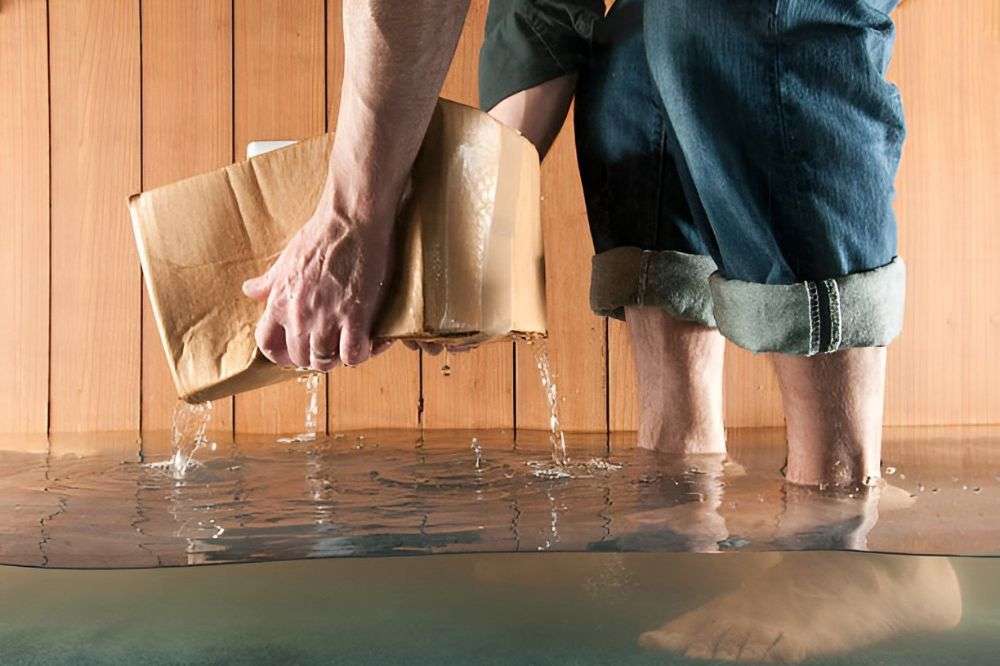
If an old pipe lets go, the damage clock starts immediately. Water spreads into flooring, walls, and framing within minutes, and mold can begin colonizing damp materials within a day or two. The first move is to shut off the main water supply, which every homeowner in an older house should know how to do before an emergency ever happens. After that, fast cleanup is what keeps a pipe failure from turning into a structural and mold problem.
Because Seattle’s damp climate slows natural drying, water from a failed pipe tends to linger and feed mold growth, so a rapid professional water damage response in Seattle is critical. If moisture has been sitting for a while before discovery, you may also be dealing with mold that needs proper remediation, not just drying.
Protecting an Older Seattle Home
You cannot change when your home was built, but you can manage the risk. Have the plumbing inspected so you know exactly what materials you have and what condition they are in. If you have galvanized steel or polybutylene pipes, it is wise to consider repiping with more modern materials like PEX before any problems occur, since PEX is more resistant to corrosion and better able to handle temperature changes. Make sure you know where your main shutoff valve is, and consider adding a leak detection or flow-monitoring device that can alert you to abnormal water use; according to the US EPA, these devices can help catch leaks early and reduce water damage. These steps turn a potential midnight emergency into a planned, manageable project.
The Bottom Line
Seattle’s older homes carry decades of charm and, too often, decades-old pipes running on borrowed time. Galvanized steel, cast iron, and polybutylene all fail in ways that feel sudden but are entirely predictable once you know what to look for. Knowing your pipe materials, watching for the warning signs, and acting before a failure is the surest way to protect both your home and your wallet.
If you have an older Seattle-area home and want peace of mind, or if a pipe has already failed and you need help fast, DKJAY Restoration provides 24/7 licensed, IICRC-certified water damage restoration across Seattle and the surrounding King County communities. Call (206) 819-4977 or request a consultation to get a fast response when an aging pipe gives out.