
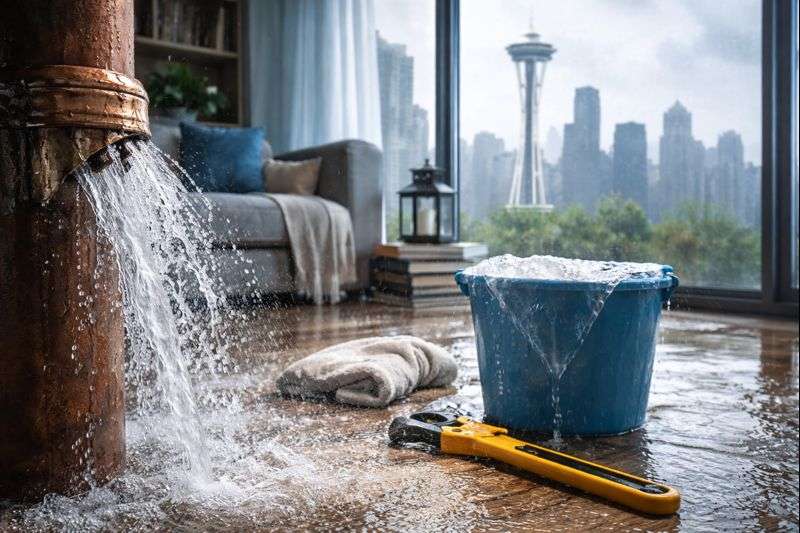
Seattle Pipe Bursts: First 24 Hours to Avoid Escalation
A pipe burst can quickly turn into one of the most serious emergencies a Seattle homeowner faces. In the Pacific Northwest’s cold winter months, freezing temperatures, older plumbing systems, and aging infrastructure mean that just a small crack can release hundreds of gallons of water in a matter of hours. In fact, as soon as…
Read article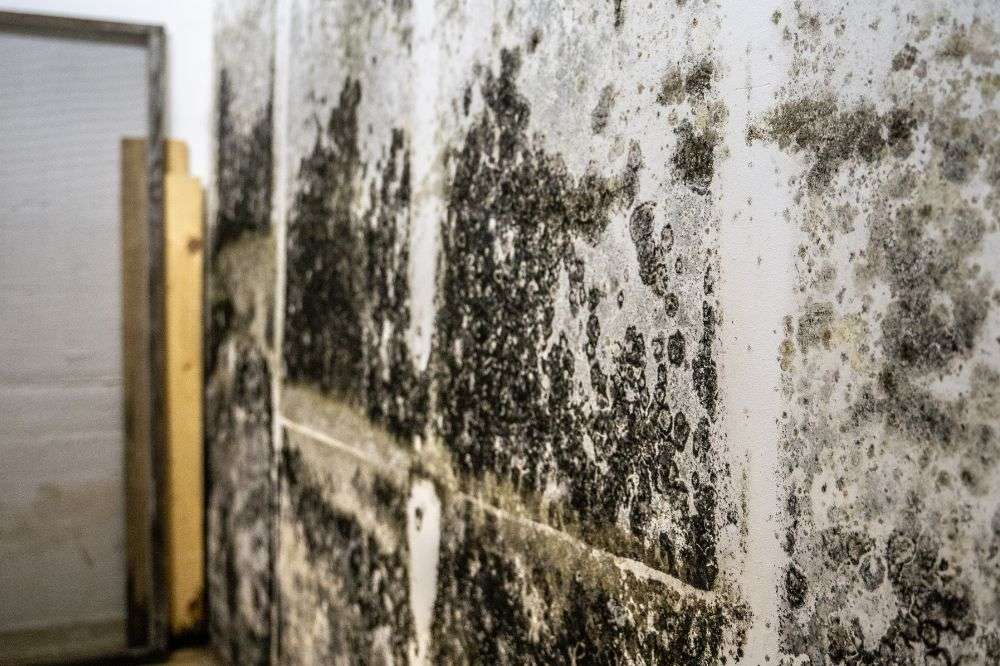
Professional Tips Crawl Space Mold Growth in Kent Homes
Mold in the crawl space is one of the most common — yet overlooked — indoor air quality issues for homeowners across Kent, WA. Crawl spaces are often dark, poorly ventilated, and prone to moisture accumulation, creating an ideal environment for mold growth. Understanding how mold develops and taking proactive measures can save homeowners from…
Read article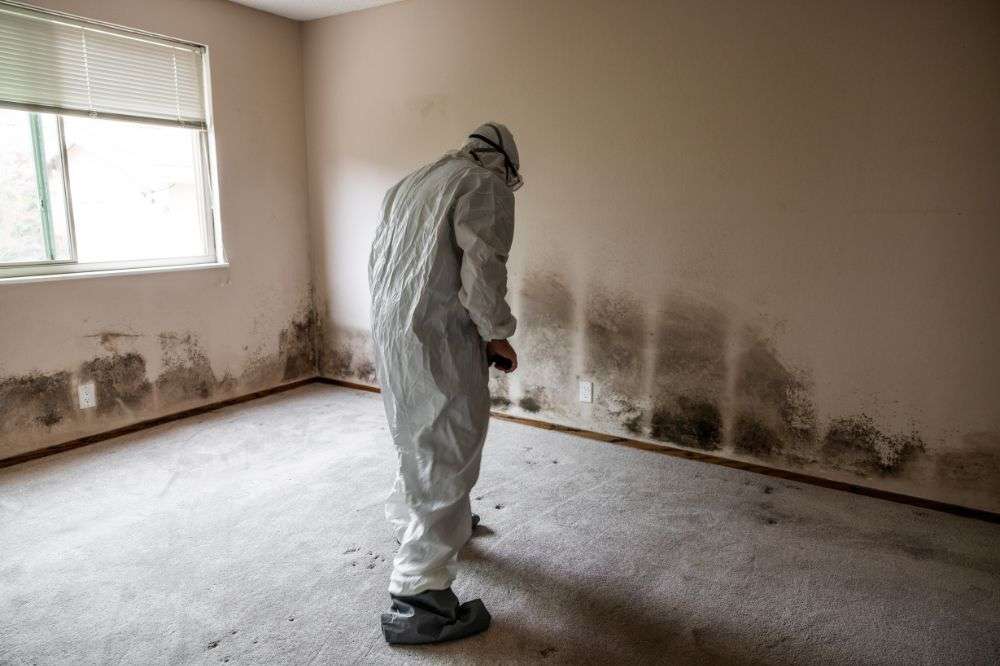
Black Mold: Dangers, Detection, and Removal
Black mold is one of the most misunderstood — and concerning — household hazards. Often hidden behind walls, under flooring, or in damp basements, black mold can negatively impact indoor air quality, damage building materials, and trigger a wide range of health symptoms if left unchecked. This guide explores what black mold is, why it’s…
Read article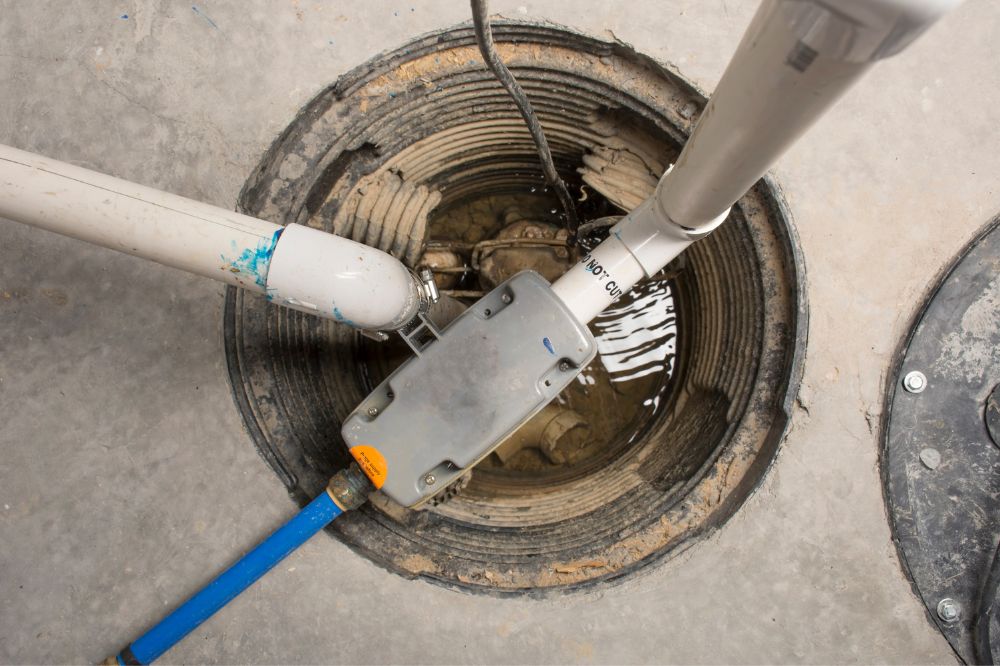
Tukwila Storm Drain Backups Explained — A Complete Guide for Homeowners
Storm drain backups can cause serious headaches for homeowners and businesses in Tukwila, especially during heavy rain events or when local drainage infrastructure is overwhelmed. In this in‑depth guide, we’ll break down what storm drain backups are, why they happen, how they affect your property and health, and what you can do to prevent them.…
Read article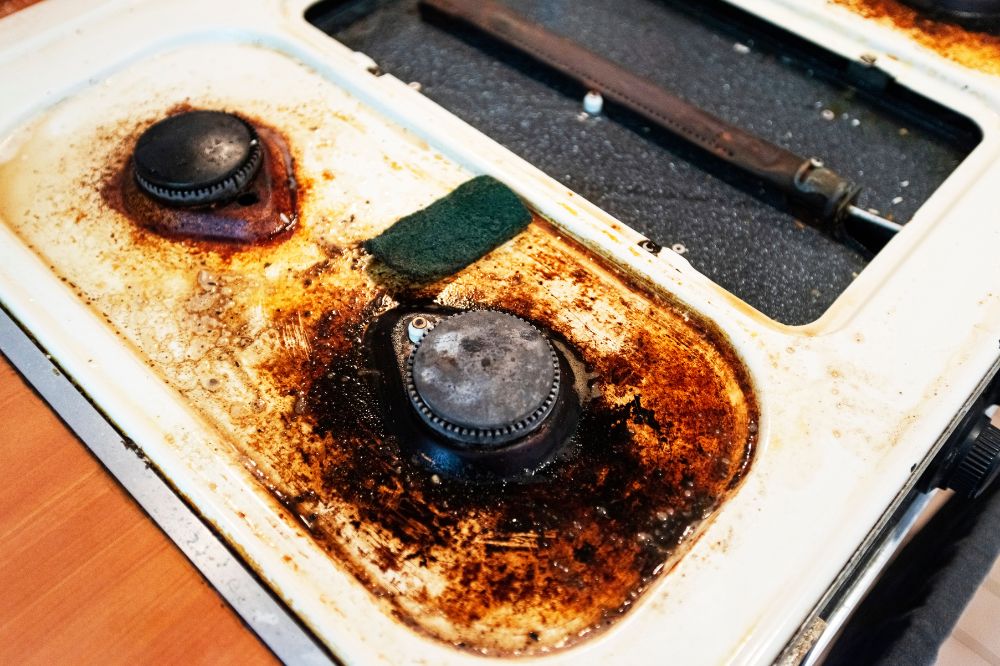
Tukwila Kitchen Grease Fires: Smoke Residue Long-Term Effects
Kitchen grease fires strike quickly in Tukwila homes, fueled by overheated oil comprising 45-51% of cooking incidents nationwide. Even small flames produce oily smoke residue that lingers, embedding deeply into surfaces and systems. These particles trigger health risks and structural decay over months or years without intervention. Grease Fire Prevalence in Tukwila Cooking fires dominate…
Read article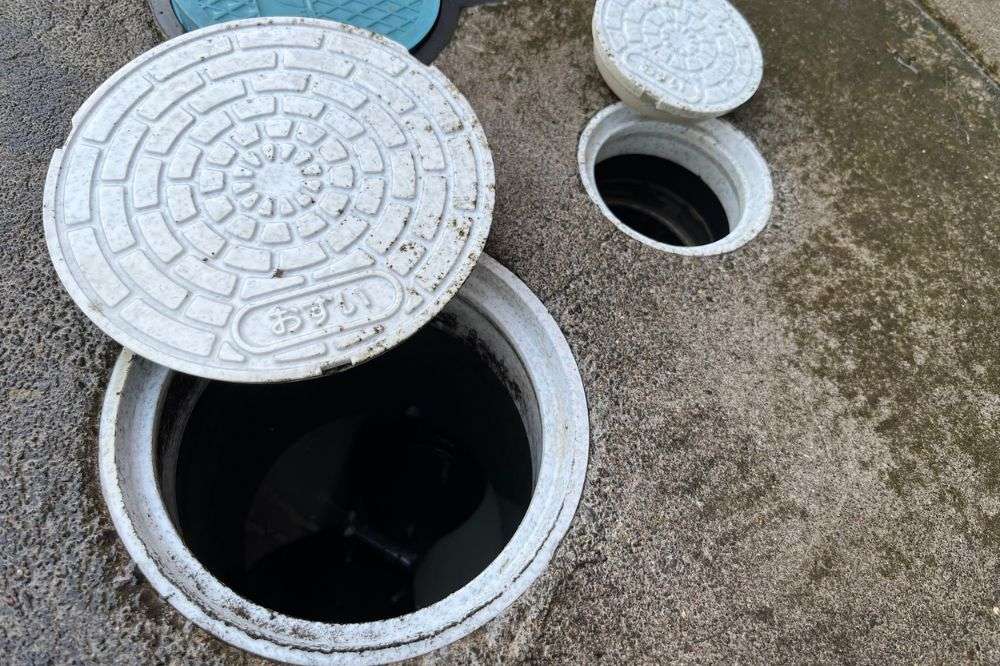
Tukwila Sewage Backup Health Hazards Overview
Tukwila sewage backups create serious health risks because wastewater carries bacteria, viruses, parasites, and toxic gases that can linger in your home long after the visible mess is gone. Fast, professional cleanup is critical in a damp, river-influenced area like Tukwila, where moisture already increases the chances of mold and long-term indoor air problems. What…
Read article