Tukwila sewage backups create serious health risks because wastewater carries bacteria, viruses, parasites, and toxic gases that can linger in your home long after the visible mess is gone.
Fast, professional cleanup is critical in a damp, river-influenced area like Tukwila, where moisture already increases the chances of mold and long-term indoor air problems.
What is a sewage backup?
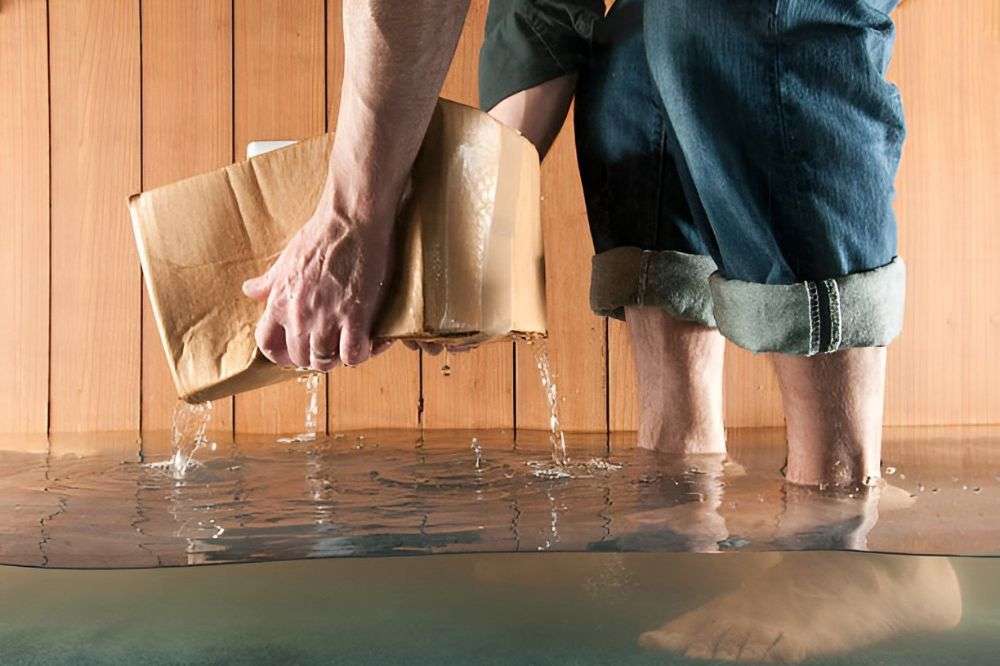
A sewage backup happens when wastewater from toilets, drains, or sewer lines flows back into your home instead of safely moving out to the municipal system or septic tank.
In Tukwila, backups can be triggered by heavy rains, Duwamish River–related flooding, aging pipes, or blockages from tree roots and debris in local sewer lines.
When sewage enters basements, bathrooms, or crawlspaces, it saturates porous materials like carpet, drywall, and insulation, which can hold onto contaminants even after surfaces look dry.
If cleanup is delayed, that contaminated moisture can fuel mold growth, compounding health risks for your family or tenants.
Key health hazards in raw sewage
Raw sewage contains a mix of disease-causing bacteria, viruses, and parasites, including organisms that can trigger severe stomach and intestinal illnesses.
Contact with contaminated water or surfaces can lead to symptoms such as diarrhea, vomiting, abdominal cramps, and fever when pathogens are ingested through unwashed hands or food.
Sewage also carries chemicals, organic waste, and suspended solids that can irritate the skin and eyes or aggravate underlying conditions.
Children, older adults, pregnant women, and people with weakened immune systems are at higher risk of complications from even brief exposure.
Gastrointestinal and infectious diseases
Many of the most common sewage-related illnesses affect the digestive system because pathogens enter through the mouth, often indirectly.
Exposure can increase the risk of infections from bacteria like E. coli and Salmonella, and viruses such as Norovirus and Hepatitis A, all of which are linked to sewage-contaminated environments.
These infections may start with “simple” stomach upset but can progress to dehydration, severe abdominal pain, and in some cases longer-term digestive issues.
In multi-family buildings or rental properties, one untreated backup can quickly become a building-wide health concern if shared laundry rooms, hallways, or HVAC systems are contaminated.
Respiratory issues and toxic gases
Sewage backups do not only contaminate surfaces and belongings; they also affect the air you breathe. As wastewater stagnates, it releases gases such as hydrogen sulfide, methane, and ammonia, which can cause headaches, dizziness, eye irritation, and breathing difficulties in poorly ventilated spaces.
Moisture from backups can also lead to secondary mold growth on walls, framing, and insulation, especially in cool, damp Pacific Northwest basements and crawlspaces.
Mold spores and musty air can aggravate asthma, trigger allergies, and contribute to chronic respiratory irritation if not properly removed. For a deeper look at mold-related risks in our region’s wet seasons, read the attic-focused guide on the hidden dangers of attic mold in rainy Tukwila winters
Skin, eye, and wound infections
Standing sewage is harsh on skin and mucous membranes, especially with prolonged contact. Walking through contaminated water, handling soaked materials without gloves, or splashing during DIY cleanup can result in rashes, dermatitis, and bacterial skin infections.
If sewage-contaminated water reaches existing cuts or abrasions, bacteria and other microorganisms can enter directly into the body.
Eye and ear infections can also develop when contaminated droplets or aerosols get into sensitive tissues during cleaning, scrubbing, or use of high-pressure water indoors.
Long-term contamination and structural damage
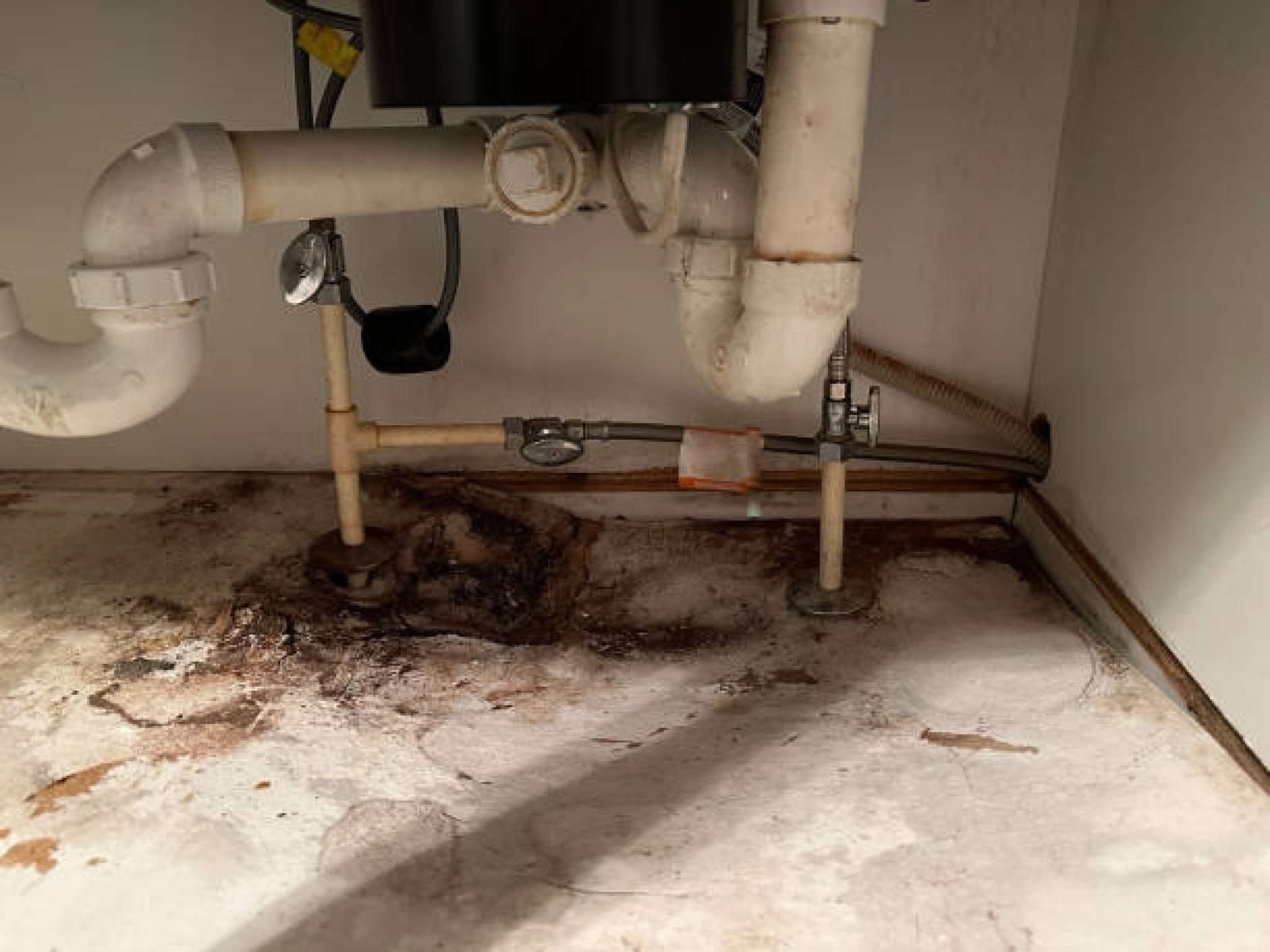
Even after the visible sewage is removed, microscopic contaminants can remain in flooring, wall cavities, and substructures.
Untreated materials become a long-term reservoir for bacteria, mold, and odors, turning basements, finished lower levels, and storage areas into unhealthy spaces.
Saturated building materials around joists, sill plates, and drywall can weaken over time, contributing to rot and structural damage.
In Tukwila’s already damp environment, that combination of moisture and contamination significantly increases the likelihood of recurrent mold and indoor air quality problems if restoration is incomplete.
Why DIY sewage cleanup is risky
Homeowners often underestimate how far contamination has spread, especially when sewage seeps under walls, into insulation, or below finished flooring.
Household cleaning products usually cannot fully disinfect porous materials, and improper drying leaves hidden moisture where microbes and mold can thrive.
DIY cleanup also exposes you directly to pathogens and gases without proper protective equipment and training.
Without professional containment, negative air control, and disposal procedures, you can inadvertently spread contaminants from the affected area to the rest of your home using fans, mops, or shop vacuums.
Protecting your family during a backup
If sewage backs up into your Tukwila home, keep people and pets away from affected areas and shut off HVAC systems that could circulate contaminated air.
Avoid touching sewage with bare skin, and never allow children to play near contaminated water, even if it appears shallow.
Anyone who may have come into contact with sewage should wash thoroughly with soap and clean water, paying special attention to hands, nails, and any open cuts.
Discard exposed food, soft toys, and items that cannot be thoroughly cleaned and disinfected to avoid ongoing health risks.
Professional restoration and drying in Tukwila
Professional sewage backup restoration goes beyond simple cleaning; it includes extraction, removal of unsalvageable materials, disinfection, and careful structural drying.
In river-adjacent communities like Tukwila, restoration experts also watch for secondary moisture migration into basements, crawlspaces, and wall cavities that can take days or weeks to fully dry without the right equipment.
Comprehensive sewage cleanup often overlaps with water damage restoration, since both require controlled drying, dehumidification, and careful monitoring of moisture levels. To see how structured water damage cleanup helps prevent ongoing health hazards after a sewage or flood event.
When to call for help
Because sewage backups involve both acute and long-term health risks, most public health agencies advise contacting trained professionals as soon as possible rather than attempting a full DIY cleanup.
This is especially important if backups affect living areas, children’s rooms, basements with finished materials, or homes where anyone has asthma, allergies, or immune system concerns.
Local restoration teams familiar with Tukwila’s climate, building types, and moisture challenges can evaluate contamination, coordinate safe removal, and help you document damage for insurance claims.
Prompt action not only protects your health today, it also reduces the risk of hidden contamination and mold-related problems in the months and years after a sewage backup.
If you are looking for fast & reliable sewage backup cleanup & water damage repair in Tuwila WA, our team at DKJAY Restoration is always here for help.