Hidden water damage is one of those problems that quietly grows until it becomes expensive to fix. In Washington — where heavy seasonal rainfall, atmospheric rivers, and aging housing stock increase the chance of moisture intrusion — being proactive is especially important.
This guide explains the warning signs, how to confirm and locate the problem, health and structural risks, the Washington-specific context, preventive steps, and when to call a professional.
If you’re looking for a broader restoration breakdown, visit our Complete Water Damage Restoration Guide.
Why Washington homeowners should pay extra attention
Western Washington’s long wet seasons and occasional extreme precipitation events increase the likelihood of roof leaks, foundation seepage, and drainage problems that lead to hidden water entering walls and floors.
Climate projections also suggest more intense rainfall across the Pacific Northwest, making proper home moisture management more critical than ever.
The most common causes of hidden water damage
- Plumbing failures such as slow leaks or hidden burst pipes
- Roof and flashing failures that allow water to run down interior framing
- Foundation cracks & subsurface leaks from soil saturation or broken drain lines
- Poor drainage & guttering that directs water toward the home
- Condensation & poor ventilation creating moisture buildup
- Appliance leaks from washers, water heaters, and HVAC condensate lines
14 telltale signs of hidden water damage
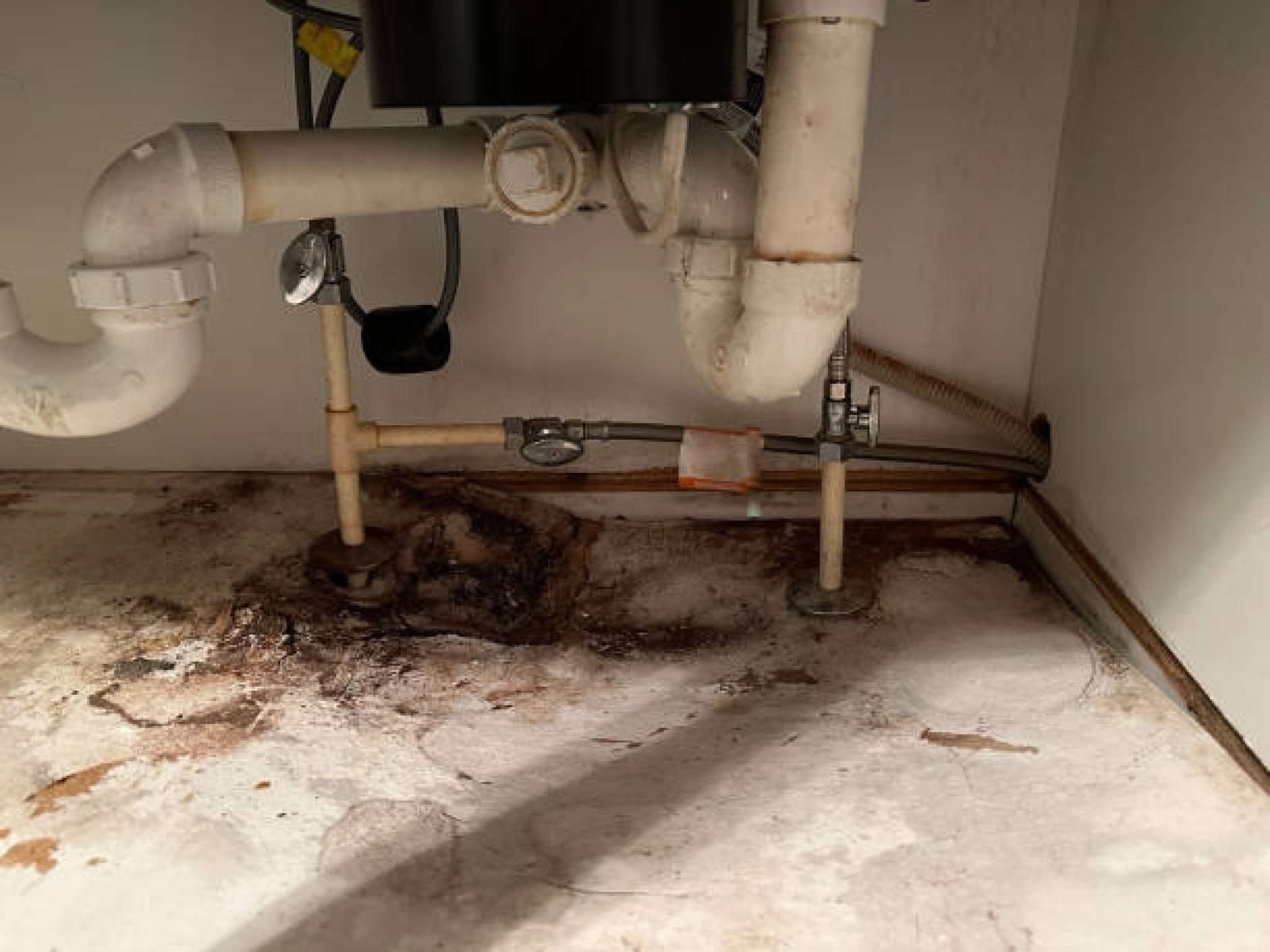
- Musty or damp odors
- Wall/ceiling stains
- Bubbling paint or wallpaper
- Soft drywall
- Warped flooring
- Loose or cracked tile
- Rising water bills
- Visible mold
- Condensation inside walls
- Increased respiratory symptoms
- Rotting trim
- Soft carpet/vinyl areas
- Efflorescence on masonry
- Pooling water outdoors after storms
Quick diagnostic steps (homeowner-safe)
- Follow musty odors
- Inspect after storms
- Check baseboards/outlets
- Press test on drywall/floors
- Perform a water meter leak test
- Use a moisture meter or IR camera
If you’ve already found active moisture, follow this Step-by-Step Guide on What To Do Immediately After Water Damage.
Health & legal context in Washington
Health & Mold
Hidden moisture can lead to mold, which may cause allergies and respiratory irritation. Washington residents should review:
- Washington State Department of Health mold guidance — prevention, cleanup, and health risks
- EPA Mold Remediation Guide — national mold remediation standards and best practices
For persistent or widespread mold, professional remediation following these standards is recommended.
Landlord / Tenant Responsibilities
Under Washington law, landlords must maintain safe, moisture-controlled living spaces. Tenants must notify landlords promptly about leaks or mold.
See: Washington Attorney General – Landlord/Tenant Resources
Preventive fixes & long-term solutions
Immediate fixes
- Clean gutters & downspouts
- Re-grade soil away from the home
- Patch roof flashing
- Repair leaky appliances
- Improve crawlspace/attic ventilation
Medium-term repairs
- Replace damaged drywall, insulation, or framing
- Repair roofs/gutters
- Seal foundation cracks or install drainage systems
- Replace corroded plumbing
- Inspect HVAC ducting & condensate lines
Long-term planning
- Periodic moisture inspections
- Leak-detection devices
- Better insulation & sealing
- Flood-resistant landscaping if needed
When to call a professional
A licensed restoration contractor is needed when you see:
- Large or recuring mold
- Structural damage
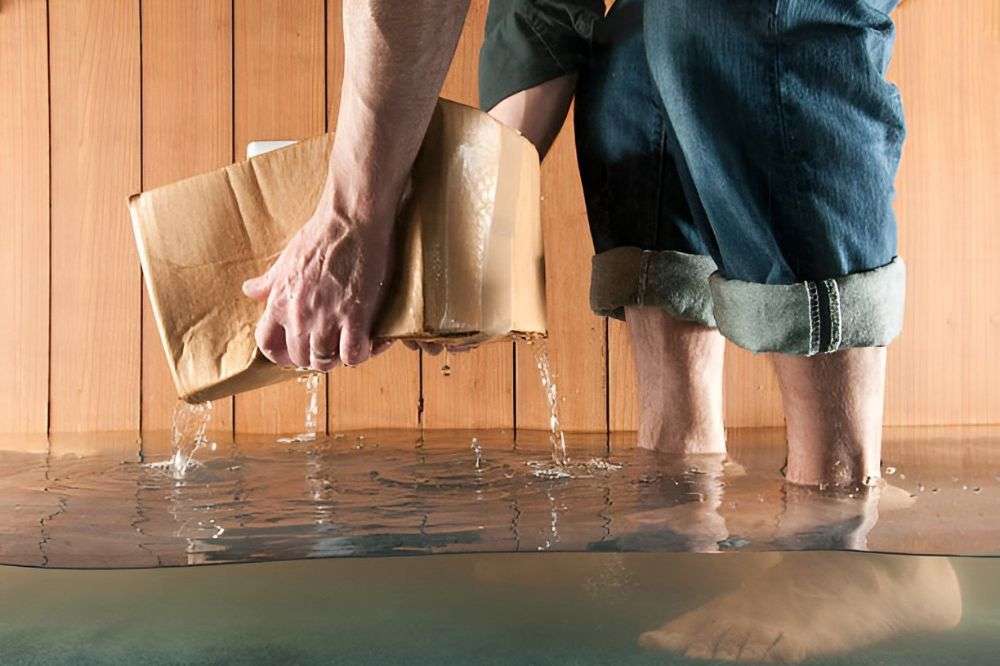
- Standing water
- Possible sewage contamination
- Persistent elevated moisture with no obvious source
Always hire professionals trained to follow IICRC Standards—the industry-standard restoration protocols.
Washington-specific resources
- WA Department of Health – Mold & Moisture
- EPA Mold Information
- IICRC Certified Firm Locator
- Local building departments for permit/code questions (Seattle, King County, Pierce County, etc.)
Short checklist
- Inspect ceilings/attic after rain
- Follow musty odors
- Look for stains, warping, or bubbling
- Use a moisture meter
- Perform a water meter test
- Document everything
- Tenants: notify landlords in writing
Final notes
Washington’s wet climate means hidden water damage develops more easily — but it’s manageable if caught early. Maintain gutters, check grading, inspect after storms, and take action quickly.
If the issue looks bigger than a DIY fix, contact a licensed restoration contractor who follows EPA and IICRC guidelines.