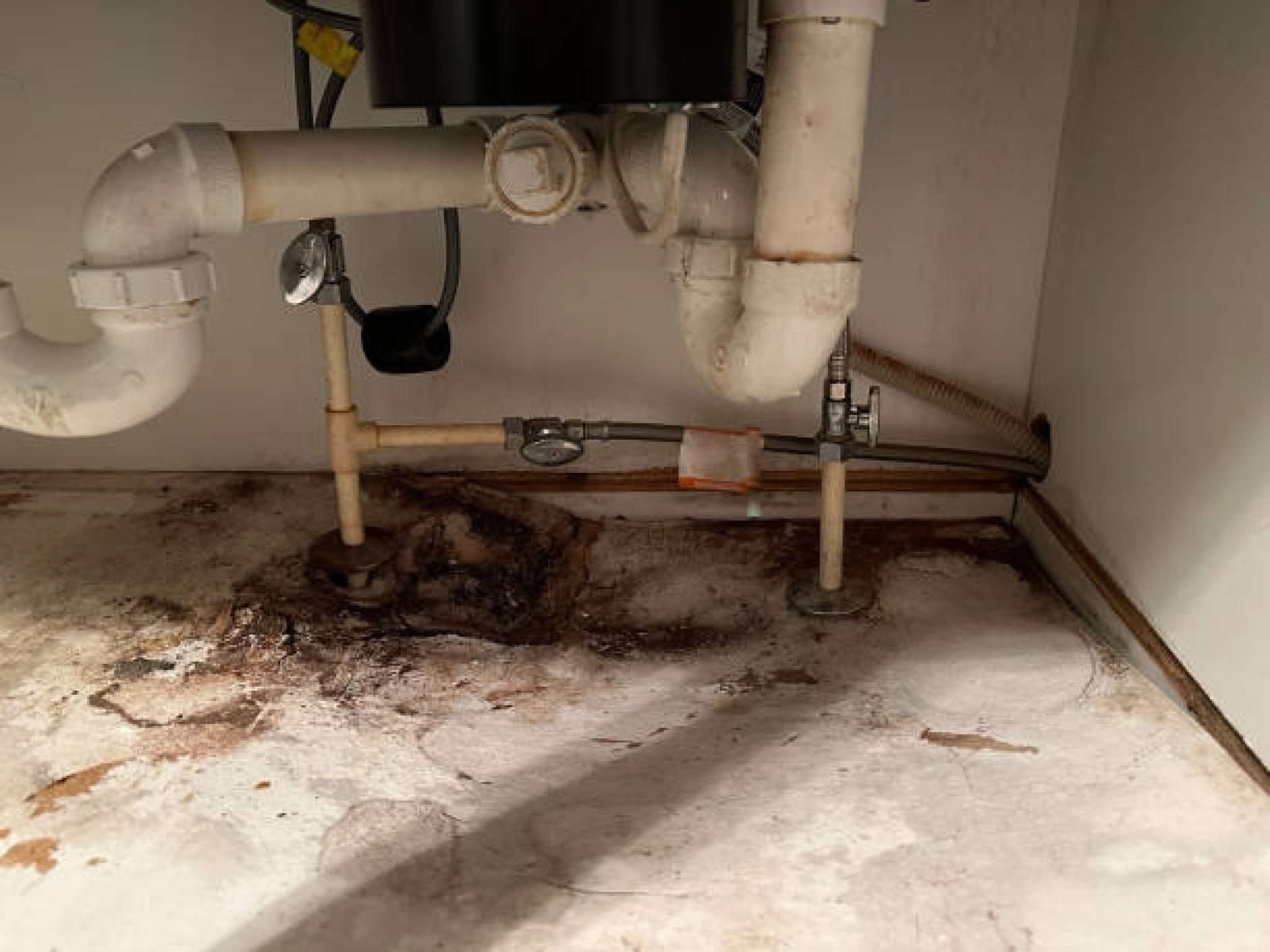
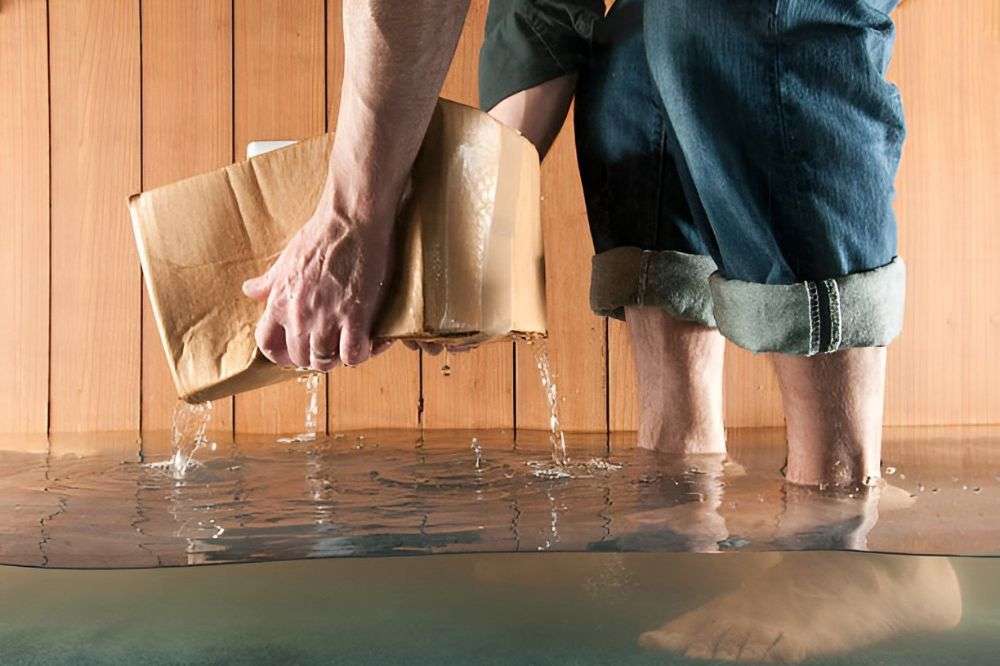
Water damage can happen fast—from burst pipes and heavy rain to appliance leaks or sewage backups. No matter what triggered it, the initial hours following water damage are the most critical. Acting quickly can minimize structural damage, prevent mold growth, and save you money in the long run.
This step-by-step guide provides expert advice and resources to help you recover efficiently immediately after water damage.
Step 1: Prioritize Safety First
Before anything else, protect yourself and your family.
- Turn off power to affected areas at the breaker box (especially if water is near outlets or wiring).
- Avoid contact with floodwater, especially if it could be contaminated (e.g. sewage backups).
- Use protective gear like gloves, boots, and face masks.
For more safety guidance, visit Ready.gov: Flood Safety Tips.
Step 2: Turn Off the Source of Water Safely
Identify and stop the source:
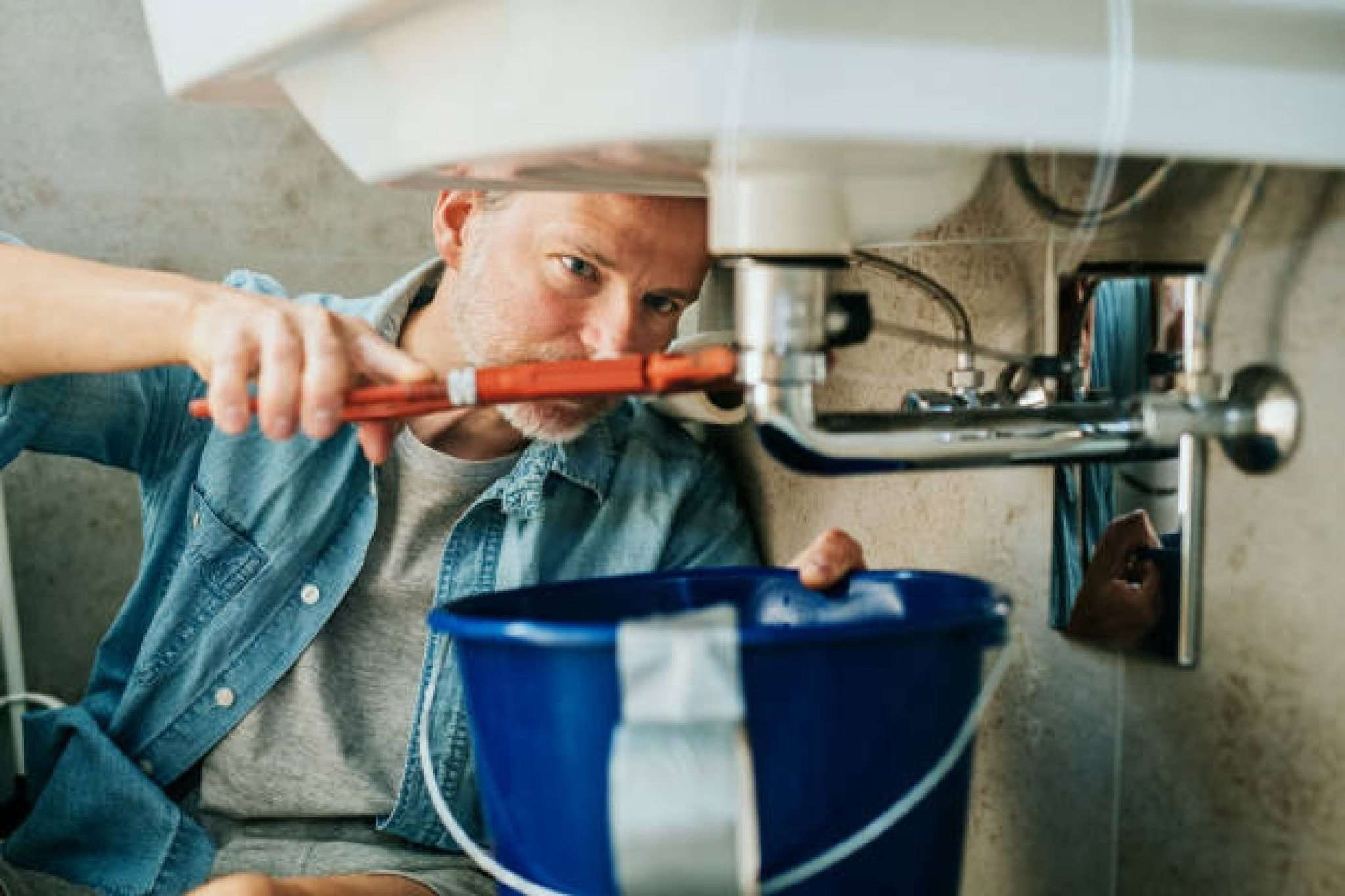
- If the damage is due to plumbing, turn off the main water supply immediately.
- Use a tarp or buckets to contain roof leaks.
- Seal doorways or windows if exterior water is entering.
If you’re unsure where your main water shut-off is located, this guide from the American Red Cross is a great place to start.
Step 3: Document the Damage for Insurance
Before you touch anything:
- Take clear photos and videos of affected areas, water lines on walls, and damaged possessions.
- Keep a list of items affected by the water and estimate their value.
- Make sure to store receipts related to emergency or provisional repairs.
This helps with your insurance claim and reduces delays. Learn more at FEMA’s guide to documenting damage.
Step 4: Contact Your Insurance Provider
Report the damage to your insurance provider immediately to move the claim forward. They’ll instruct you on what’s covered and how to proceed.
Most homeowner policies cover sudden and accidental water damage, but flood damage from rising waters often requires separate flood insurance.
Need help understanding coverage? Check the National Flood Insurance Program (NFIP) for more.
Step 5: Begin Water Removal & Drying
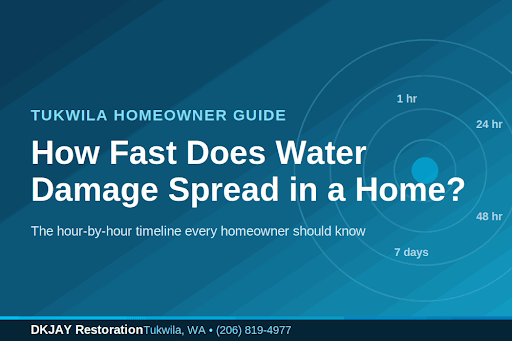
Act fast—mold can start forming within 24–48 hours.
- Eliminate excess water using a wet/dry vacuum, towels, or buckets.
- Set up fans, air movers, and dehumidifiers.
- Promote ventilation by opening doors and windows when conditions allow.
For deeper water or if you’re unsure where moisture may be hiding, it’s best to contact professionals like IICRC-certified restoration companies.
Step 6: Call a Professional Water Damage Restoration Company
Even if you’ve removed visible water, hidden moisture behind walls or under flooring can lead to serious long-term damage and mold.
A certified restoration company like DKJAY Restoration will:
- Use moisture detection tools
- Extract remaining water professionally
- Prevent mold with antimicrobial treatment
- Restore affected drywall, flooring, and structural elements
Learn more in our Ultimate Homeowner Guide to Water Damage Restoration, which covers timelines, methods, and restoration costs.
Step 7: Salvage & Protect Valuables
While waiting for the pros:
- Move undamaged items to a dry room
- Elevate furniture using blocks or foil
- Remove soaked rugs or curtains for separate drying
Step 8: Watch for Mold Warning Signs
Even after drying, mold can still appear—especially in hidden or poorly ventilated areas.
Warning signs include:
- Musty odors
- Discolored spots on walls, ceilings, or baseboards
- Allergy symptoms like sneezing, headaches, or itchy eyes
Don’t wait if you notice or suspect mold; book professional mold remediation services as soon as possible.
Final Thoughts: Act Fast, Stay Informed
The hours after water damage are critical. Whether you’re dealing with a minor leak or a full basement flood, fast action can save your property, your health, and your wallet.
For a deeper dive, don’t miss our Complete Guide to Water Damage Restoration—packed with answers to your questions about drying, repairs, insurance, and costs.
Need Help Right Now?
If you’re located in Kent, Auburn, Seattle, Bellevue, or anywhere in Washington State, DKJAY Restoration is available 24/7 for emergency water damage response. We cover the entire process—water removal, structural drying, restoration, and mold remediation.