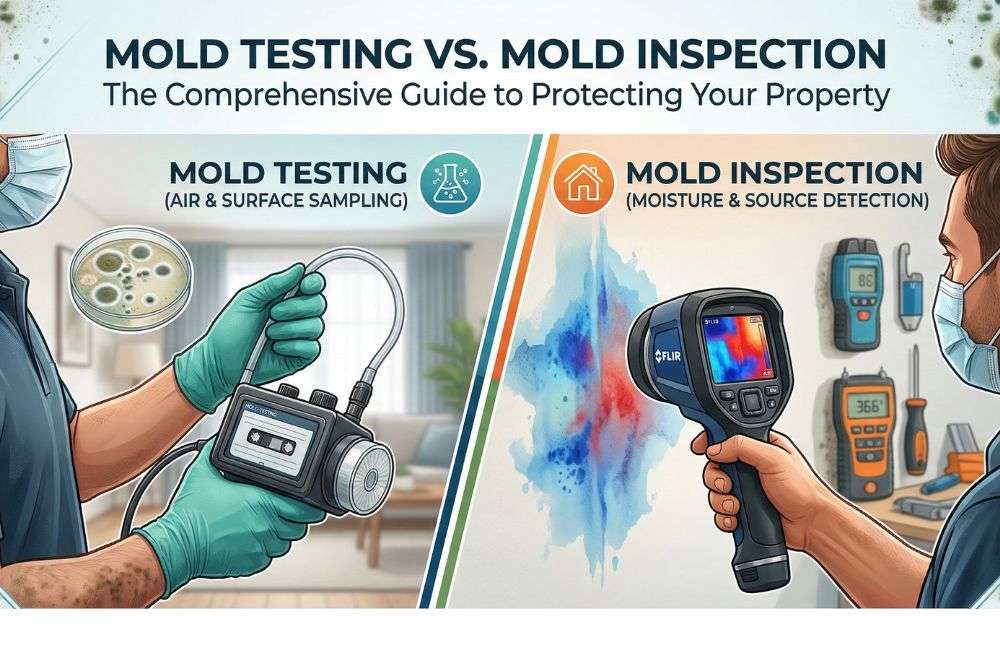
After discovering mold at home, most people want quick removal. But do you need to leave during remediation? The answer depends on the mold’s size, location, complexity of removal, and household members. Knowing these factors helps you decide and keeps your family safe.
What Actually Happens During Mold Remediation?
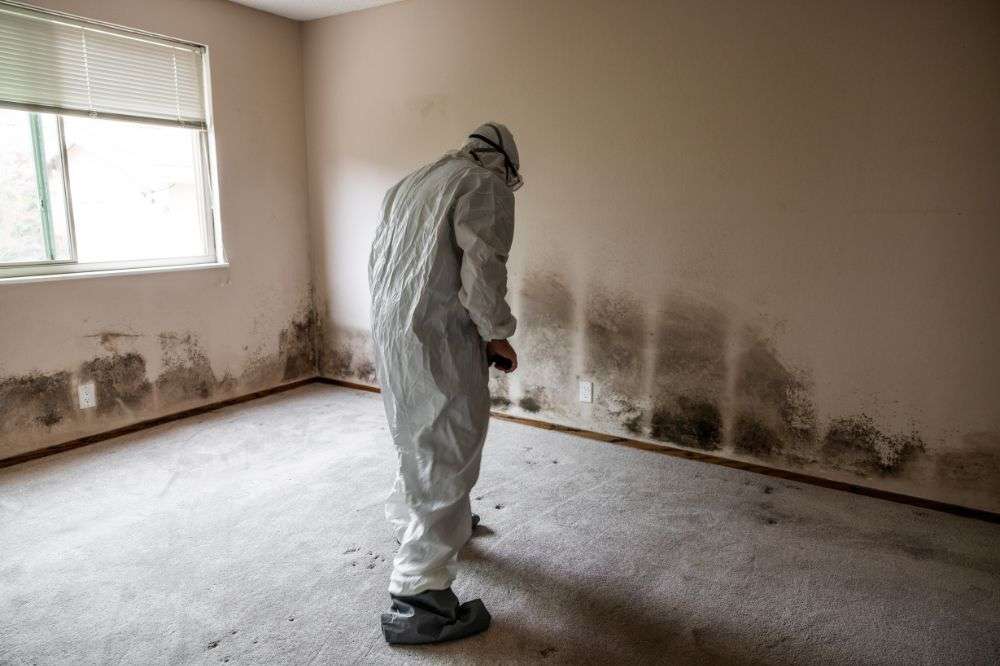
Understand what professional mold removal involves before deciding to stay or leave. It’s not just wiping down surfaces with bleach. Mold remediation is a multi-step process to remove and prevent mold.
Professional remediation typically follows this sequence:
- Assessment and air sampling: Technicians inspect all affected areas, identify the mold species and extent of growth, and take baseline air quality measurements.
- Containment setup: Plastic sheeting, negative air pressure systems, and HEPA air scrubbers are installed to create a sealed work zone and prevent spores from spreading to clean areas of the home.
- Removal of contaminated materials: Drywall, insulation, flooring, wood framing, or other affected materials are removed and properly bagged. This demolition phase is where the most spores become airborne.
- Surface treatment: Remaining structural surfaces are treated with EPA-registered antimicrobial agents and physically scrubbed.
- Air purification and drying: HEPA air scrubbers and dehumidifiers run continuously to eliminate residual spores and reduce humidity levels.
- Clearance testing: Final air quality testing confirms the space is safe for re-occupancy before work is considered complete.
The key concern for occupants is step three — demolition. When mold-colonized materials are cut, pulled, or disturbed, millions of microscopic spores are released into the air. Even with excellent containment, the indoor air environment during active remediation is not ideal for household members, especially those with vulnerable respiratory systems.
When Can You Stay in the House?
You can stay in your home during remediation only if specific conditions are met. The size and location of the mold and the quality of containment are key.
Small, Isolated Mold Problems
The U.S. Environmental Protection Agency (EPA) considers mold affecting less than 10 square feet a minor issue. If professionals can completely seal off the affected area from the rest of the living space, you may stay in another part of the home. For instance, bathroom tile mold in a guest bathroom, with professional barriers and negative air pressure, could allow you to remain.
Effective Professional Containment
The containment setup is crucial. Negative air pressure keeps contaminated air inside the work zone. HEPA filtration traps mold spores. When these systems work well, cross-contamination drops. Ask your contractor how they will contain the area before deciding to stay.
Mold in Detached or Non-Living Areas
If the mold is confined to a detached garage, crawl space, or an unfinished attic with no direct HVAC connection to living areas, remaining in the home is often feasible. The separation of the space reduces the risk of spore transfer into areas where your family spends time.
When Should You Leave the Home?
Temporary relocation is essential in certain situations. If any of these factors apply, stay elsewhere until remediation and air quality testing are finished.
Widespread or Multi-Room Contamination
If mold has spread across multiple rooms, floors, or walls, remaining at home is not safe. Large-scale remediation means extensive demolition and difficulties in containing spores. EPA advises that the greater the contamination, the higher the risk during cleanup and the importance of leaving the space.
Mold in or Near the HVAC System
This is one of the most serious scenarios. If mold has colonized your HVAC ducts, air handler, or any component connected to your home’s air distribution system, the system must be shut down immediately — and you must leave. Running the HVAC during remediation spreads spores to every room in the house, including areas that were previously clean. Remediation with HVAC involvement requires a complete shutdown and specialized duct cleaning, meaning the entire home’s air environment is compromised until work is complete.
Mold Located in Central Living Areas
Mold found in bedrooms, living rooms, kitchens, hallways, or other high-traffic areas typically requires you to vacate those spaces. If the affected rooms are the ones you spend most of your time in, staying home simply isn’t viable.
Who Should Always Leave — Regardless of Scope
Even when the mold problem is small and containment is excellent, certain household members should not be present during active remediation work. Their health is at a higher risk from even brief exposure to airborne spore concentrations.
The following groups should make arrangements to stay elsewhere before work begins:
- Children under 12, whose developing respiratory and immune systems are more susceptible to mold exposure
- Adults over 65, who tend to have reduced immune response and greater respiratory sensitivity
- Anyone with asthma, chronic bronchitis, COPD, or other lung conditions
- People with mold allergies or a history of mold-related illness
- Pregnant women, due to potential risks from airborne contaminants
- Anyone undergoing chemotherapy or other immunosuppressive treatment
- Pets, particularly birds, which are highly sensitive to airborne particles
It is important to know what exposure risks exist.
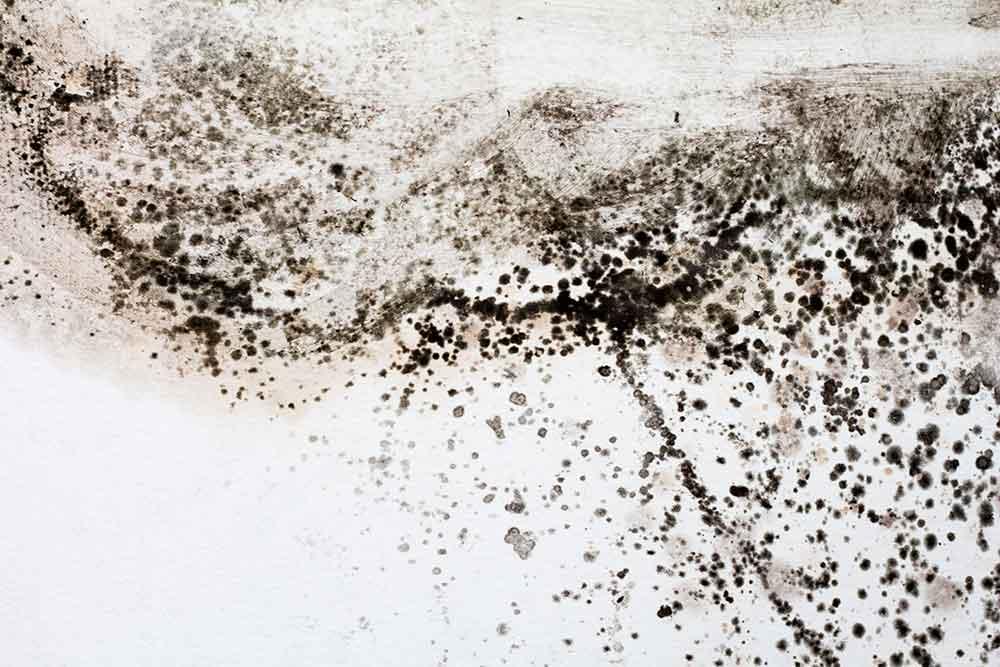
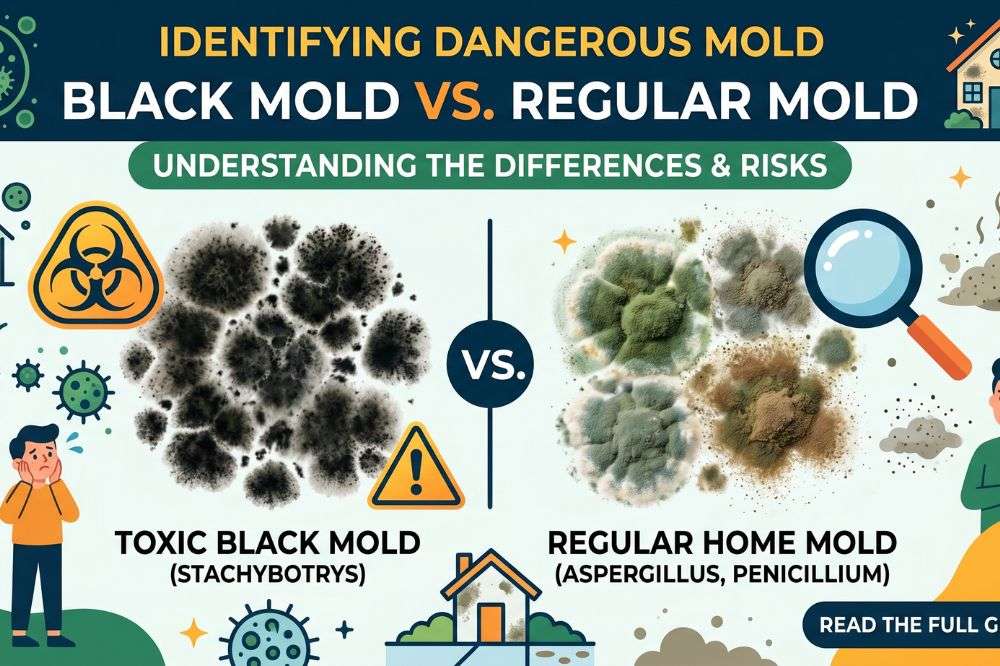
According to the Centers for Disease Control and Prevention, Stachybotrys chartarum is a greenish-black mold that grows on materials with high cellulose content, like fiberboard, gypsum board, and paper, especially when there is persistent moisture from water damage or leaks.
Being able to identify this mold is important because it requires constant dampness to thrive, and the conditions leading to its growth should be thoroughly addressed during mold remediation.
Washington State’s Climate: Why King County Homeowners Face Extra Risk
Homeowners in Tukwila, Auburn, Kent, Seattle, and Bellevue face a local climate that’s particularly favorable for mold growth.
The Pacific Northwest’s combination of long rainy seasons, mild temperatures, and sustained high humidity creates near-ideal conditions for mold year-round.
Homes in King County are especially prone to moisture entering through roofs, crawl spaces, and wall assemblies — and once moisture is trapped, mold can begin developing within 24 to 48 hours.
The IICRC S520 Standard — the industry benchmark for professional mold remediation —recognizes moisture control as the foundational step in any remediation project.
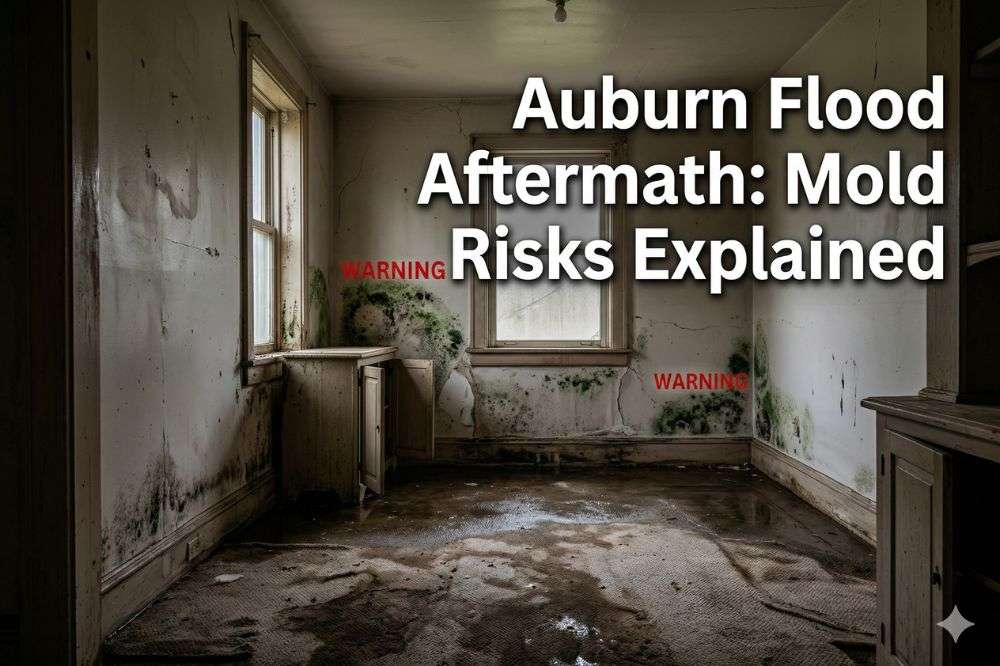
In Washington’s climate, this means the underlying moisture source must be identified and fixed before or during remediation, not after. If your home has experienced a recent roof leak, storm event, pipe failure, or extended flooding, the scope of mold contamination is likely larger than what’s visible — and the probability of needing to vacate during remediation is high.
Crawl spaces are a particular concern in King County. Many older homes in Auburn, Kent, and Tukwila have unencapsulated crawl spaces that stay damp for months, creating hidden mold colonies that go undetected until a remediation assessment is conducted.
How Long Will You Need to Be Out?
This is the practical question every homeowner wants answered. The duration depends on the scope of the work, the number of affected areas, and how quickly the space passes clearance air testing.
As a general guide:
- Small, contained jobs (less than 10 sq. ft., one area): 1 to According to the U.S. Environmental Protection Agency, the time needed for mold remediation varies by the size and complexity of the job.
- For medium-sized jobs involving multiple areas totaling 10 to 30 square feet of contamination, remediation typically takes between 3 and 5 days. Larger projects that affect several rooms, include HVAC systems, or involve structural damage, can take 5 to 10 days or even longer
. - You should only return to the property after clearance testing confirms that air spore counts are safe; do not assume it is safe to re-enter just because the visible work appears finished. Wait for the clearance report.
- If your mold problem was caused by a covered insurance event — such as a burst pipe, storm water intrusion, or appliance failure — your homeowner’s insurance policy may cover temporary lodging under Additional Living Expenses (ALE) provisions. Check your policy and speak with your remediation company’s insurance liaison before assuming you’ll need to cover relocation costs out of pocket.
The Bottom Line: When in Doubt, Leave
If you are unsure, leave during mold removal. The health risk from exposure is real, and a brief hotel stay is safer than staying in poor air quality. Your contractor should explain the containment plan, which areas are affected, and give a clear recommendation for your situation.
The most important principle is this: don’t make the decision alone. Let a certified professional assess the mold, explain the scope of the work, and tell you what’s safest for your household. That guidance — specific to your home and your family — is worth more than any general rule.
If you’ve found mold in your King County home or have experienced recent water damage,DKJAY Restoration is available 24/7 for emergency response and professional mold assessment throughout Tukwila, Auburn, Kent, Seattle, and Bellevue.
Our IICRC-certified remediation team will evaluate your home, explain exactly what to expect, and give you a clear recommendation on whether relocation is needed — so you can make the right call with confidence. Call us today at(206) 819-4977 for a free consultation.