Tukwila is no stranger to rain. With over 38 inches of precipitation per year and long stretches of overcast, wet weather throughout fall, winter, and spring, the city’s homes face persistent moisture pressure from above.
For many homeowners, a roof leak starts as a minor annoyance — a small water stain on the ceiling, a damp patch in the attic corner.
But what begins as a manageable drip can quietly evolve into a serious mold problem hidden inside walls, between floors, and deep within insulation — long before there’s any visible sign of growth.
Understanding the connection between roof leaks and hidden mold is one of the most important steps a Tukwila homeowner can take to protect their property and family’s health.
Why Tukwila Roofs Are Especially Vulnerable
Washington’s Pacific Northwest climate puts extra stress on roofs. Persistent rain, mild temperatures, low sunlight, and dense tree cover accelerate roof deterioration. These factors make Tukwila homes especially prone to moisture issues from leaks:
- Moss and algae growth: Shade and moisture encourage moss to take root between shingles, lifting them and allowing water to seep underneath. Over time, this traps additional moisture against the roof deck, accelerating rot.
- Flashing is metal placed around chimneys, skylights, vents, and roof valleys. It is a common weak point. Tukwila’s temperature swings and moisture cause flashing to shift, separate, and corrode. This creates entry points for water, even if shingles look intact.
- Leaves and debris often block Tukwila gutters. This causes water to back up under the eaves. Overflow seeps behind fascia boards and into the roof edge, causing slow, hidden moisture damage.
- Many Tukwila-area homes have roofs close to or past their 20-year lifespan. As shingles crack, curl, and lose granules, they shed rainfall less effectively.
It’s also worth noting that roof leaks are not the only pathway for water to enter your home from above. Heavy storm events can overwhelm drainage systems around the property — as explained in our guide on how storm drain backups contribute to water intrusion in Tukwila, overwhelmed drains can force water back toward the foundation and walls, compounding the moisture problem from multiple directions.
How a Roof Leak Becomes a Mold Problem
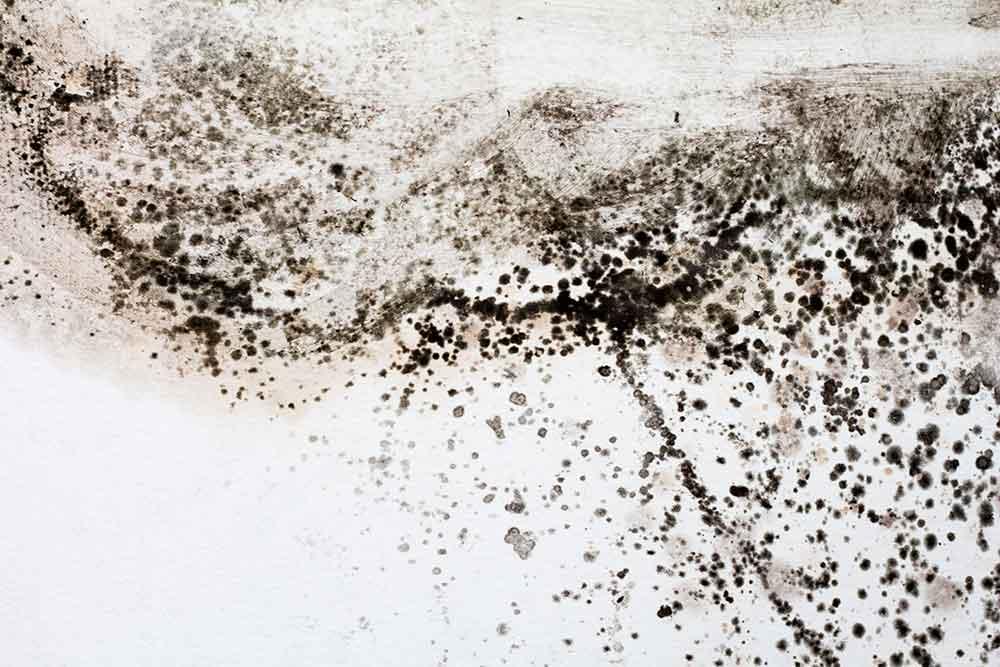
Roof leaks quickly become mold infestations. Once water enters through the roof, it spreads. It soaks attic insulation, runs along boards, drips down walls, and pools behind drywall. All of this is silent and invisible, often for weeks or months before symptoms appear.
The 24–48 Hour Window
The U.S. Environmental Protection Agency says mold can grow within 24 to 48 hours of water exposure. In Tukwila’s rainy climate, a roof with even a slow leak may never dry out. Moist insulation, sheathing, and wall cavities can support mold all season. Mold colonies expand quietly while homeowners remain unaware.
Where Mold Hides After a Roof Leak
Mold from roof leaks often hides in areas difficult to check without professional equipment:
- Attic insulation and roof sheathing are the first to be affected when water breaches the roof. Wet insulation is perfect for mold. Because attics are rarely visited, growth can go unnoticed for an entire season.
- Wall cavities: Water that runs down the interior of exterior walls saturates stud framing, drywall backing, and vapor barriers. Mold colonies inside walls produce no visible exterior signs until they are extensive enough to cause discoloration or odor.
- Drywall’s paper facing is highly prone to mold when wet. Ceiling mold from roof leaks often starts on the upper surface—which you can’t see—before showing up on the visible ceiling below.
- Skylights, vents, and chimneys are common sources of leaks. They also create warm, sheltered spots where condensation builds up. Persistent dampness here is ideal for mold colonization.
The Particular Problem of Attic Mold in Tukwila
Attic mold deserves special attention for Tukwila homeowners because it is so often the first and most extensive consequence of roof leak moisture, yet it is also the most overlooked.
The attic’s dark, rarely visited environment allows mold to develop across large surface areas of roof sheathing and structural framing without ever causing an obvious symptom in the living space below.
In the Pacific Northwest, attic mold growth is driven not only by direct roof leaks but also by condensation.
During Tukwila’s cold, wet winters, warm, humid air from the home rises into the attic and meets the cold underside of the roof deck.
This temperature difference causes condensation to form on structural surfaces — feeding mold even in attics where the roof itself is intact. Understanding the hidden dangers of attic mold during Tukwila winters is essential for homeowners who want to stay ahead of this problem, particularly in homes with older ventilation systems or inadequate insulation.
Roof leaks worsen attic mold by adding water intrusion on top of condensation. Research from RDH Building Science shows mold on roof sheathing is a common problem in Pacific Northwest homes. Even relatively new homes are affected.
Warning Signs Every Tukwila Homeowner Should Know
Hidden mold from roof leaks means waiting for visible mold is waiting too long. These earlier signs should prompt immediate inspection:
- Water stains on ceilings or walls: Any yellow, brown, or gray discoloration—even faint or dry—means water has reached interior surfaces and the leak may be weeks old.
- Musty odors without a visible cause: A persistent musty smell in a room, hallway, or attic without an obvious source is one of the most reliable indicators of hidden mold growth nearby.
- Peeling, bubbling, or sagging paint: Failing paint near rooflines is pushed away by moisture entering from above.
- Soft spots on the ceiling drywall mean enough moisture has compromised the area. Mold is almost certainly growing on the unseen upper side.
- Granules in gutters: Excessive shingle granules in gutters or downspouts indicate shingle deterioration and reduced water-repelling ability.
- Visible moss or dark streaks on the roof: Moss or algae on shingles means chronic moisture—a sign of likely leaks and rot.
Why DIY Cleanup Isn’t Enough
After finding roof-leak mold, homeowners often scrub visible growth and apply bleach. This only treats what you see. Mold rarely stays visible, and disturbing it releases spores. These spores settle elsewhere and can start new colonies.
Effective remediation after a roof leak requires professional moisture detection with thermal imaging cameras and moisture meters to map the full extent of wet building materials, followed by controlled drying, proper containment of affected areas, and thorough mold removal in accordance with industry-standard protocols. Critically, the roof leak itself must also be repaired, and the affected materials fully dried before any remediation can be considered complete — otherwise the mold will return regardless of how thoroughly it was cleaned.
Act Before the Wet Season Does More Damage
A compromised Tukwila roof rarely dries out on its own during the rainy season. Each new rain adds moisture, causing mold to grow and deepening damage.
Early professional remediation always costs less than letting mold spread.
If you’ve noticed any of the warning signs above, or if your home has experienced any roof damage, storm impact, or water intrusion this season, don’t wait for the problem to become visible.
DKJAY Restorations serves Tukwila homeowners 24 hours a day, 7 days a week. Our certified restoration specialists use advanced moisture-detection technology to identify hidden water damage and mold before they spread, and we provide complete remediation, structural drying, and reconstruction services to fully restore your home.
Call us today for a free assessment and take control of your home’s moisture before Tukwila’s next storm does it for you.