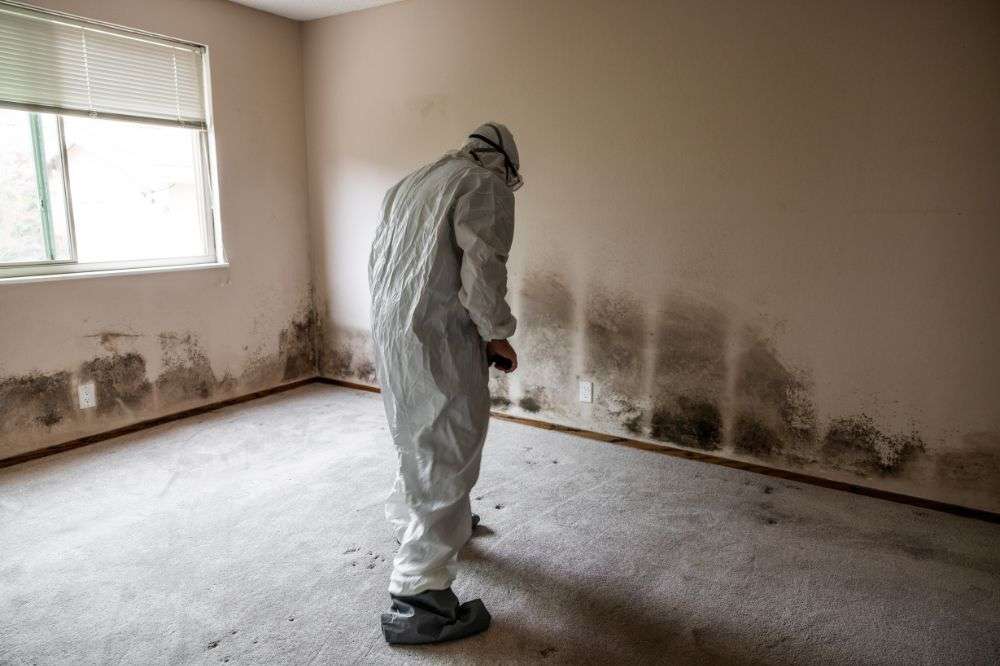
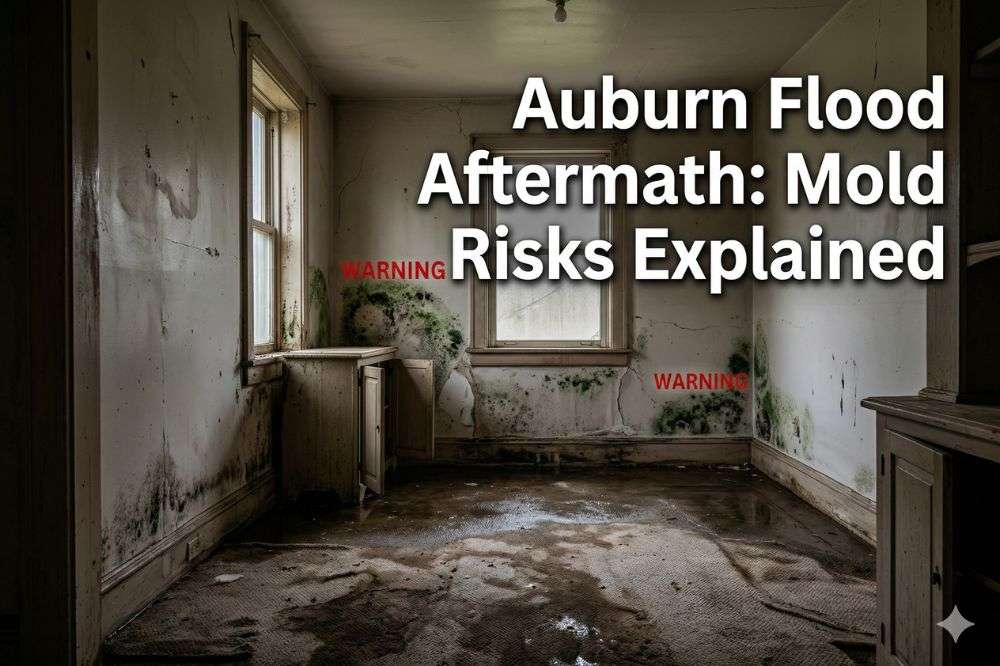
Most homeowners only think about mold after they can see it — a dark patch on the bathroom ceiling, a musty smell coming from the basement, or discoloration creeping along a wall. But by the time mold becomes visible, it has usually been growing for weeks or months. The real problem isn’t the mold you can see. It’s the conditions you’re not thinking about that allow it to take hold in the first place, quietly.
Understanding the hidden drivers of mold growth is the single most effective way to protect your home, your health, and your finances. Here are seven commonly overlooked causes — and what you can do about each one.
1. Poor Bathroom Ventilation
The bathroom is one of the most moisture-rich environments in any home. Every shower or bath releases warm, humid air that — without proper ventilation — lingers on cool surfaces like walls, ceilings, and grout lines. That trapped moisture creates the exact environment mold needs to colonize.
The problem is rarely obvious. Bathroom exhaust fans often seem to be working when they’re actually underperforming. A fan clogged with dust can move less than 20% of its rated airflow, leaving most of the humidity behind. Similarly, fans vented into attic spaces instead of outside push moisture directly into areas where it’s trapped indefinitely.
What to check: Run your exhaust fan and hold a tissue near the grille. If it barely moves, the fan needs cleaning or replacement. Confirm the ductwork runs to an exterior vent — not into your attic. Fans should run during every shower and for at least 20 minutes afterward.
2. Slow or Hidden Plumbing Leaks
A pipe that drips once every few seconds inside a wall cavity loses only a small amount of water per day. That’s enough to keep drywall, insulation, and wood framing continuously damp — the ideal condition for mold. According to the U.S. Environmental Protection Agency, mold will begin growing within 24 to 48 hours whenever a wet surface goes unaddressed. A slow leak behind a wall can remain undetected for months before any exterior sign appears.
Warning signs include unexplained spikes in your water bill, soft or discolored spots on walls or ceilings, a persistent musty odor in one area of the home, or paint that bubbles and peels without a clear reason.
3. Condensation on Cold Surfaces
When warm, humid indoor air contacts a cold surface — single-pane windows, exterior walls, cold water pipes, or even the back of furniture pushed against an exterior wall — water vapor condenses into liquid droplets. Over time, these droplets saturate porous materials, creating localized zones of persistent moisture that mold can colonize without any active water source.
This is especially common in the Pacific Northwest, where winters bring long stretches of cold outdoor temperatures combined with heated indoor air. Cold corners behind furniture, the underside of window sills, and basement walls are all frequent sites of condensation-driven mold growth that goes unnoticed because the furniture or fixture blocks the view.
Improving insulation, adding secondary window glazing, and leaving a small gap between furniture and exterior walls all help reduce the frequency and duration of condensation events. A dehumidifier in consistently damp rooms keeps relative humidity below the 60% threshold that mold requires to thrive.
4. Unventilated or Poorly Sealed Crawl Spaces
Crawl spaces are one of the most overlooked sources of mold in Pacific Northwest homes. In King County, many residential properties — especially those built before the 1990s — have crawl spaces with bare earth floors or minimal vapor barriers. Ground moisture wicks upward through capillary action, evaporates into the crawl space air, and drives sustained humidity levels that can reach well above 80% during wet seasons.
That humid air rises into the living spaces above, elevating overall indoor humidity and feeding mold colonies that form on joists, subfloor materials, insulation, and HVAC ductwork running through the crawl. The EPA’s mold guidance specifically identifies crawl spaces with bare-earth floors and high relative humidity as common sites for hidden mold growth.
A properly encapsulated crawl space — with a continuous vapor barrier sealed at seams and walls, combined with a mechanical dehumidifier — dramatically reduces this risk. If your home has a vented crawl space, ensure the vents are functional and that drainage around the foundation directs water away from the structure.
5. HVAC System Problems and Drip Pan Buildup
Your heating and cooling system moves air throughout every room in your home — which means it can also spread mold spores from one area to another if the system itself becomes a mold source. Two components are particularly high risk: the evaporator coil and the condensate drip pan.
The evaporator coil is designed to sit in a cool, humid environment. If airflow is restricted by a dirty filter, moisture can accumulate on the coil and components around it. The condensate drip pan, which collects that moisture, can breed mold within days if it isn’t draining properly or if organic material has accumulated in it.
HVAC ductwork is another hidden risk area. Poorly insulated ducts in unconditioned spaces like attics and crawl spaces can experience surface condensation on the inside, creating a mold-friendly environment that circulates spores throughout the home every time the system runs.
Changing filters on schedule, having the system professionally inspected annually, and ensuring condensate lines drain freely are straightforward preventive steps that many homeowners overlook until a problem is already established.
6. Roof Leaks That Go Unnoticed
Not every roof leak shows up as an immediate water stain on the ceiling. Depending on how a roof is constructed, water that enters through a damaged flashing detail, a failed shingle, or a clogged gutter can travel along the roof sheathing, rafters, or insulation for a considerable distance before it appears anywhere visible. In the meantime, attic insulation and wood framing stay persistently wet.
King County’s climate is particularly unforgiving here. The region receives well over 35 inches of rainfall annually, concentrated between October and April. A roof defect that seems minor during a light rain can allow significant intrusion during the sustained heavy rainfall events common in winter and early spring.
Annual roof inspections — particularly after storm events — and prompt attention to any discoloration on ceilings or exterior soffit areas are worth treating as routine maintenance rather than optional. Gutters and downspouts that keep water away from the foundation matter just as much as the roof surface itself.
7. Houseplants and Foundation Drainage Issues
Two less obvious mold contributors round out this list: overwatered houseplants and inadequate drainage around the home’s foundation.
Potted plants with waterlogged soil create a localized zone of elevated humidity and organic material — the same conditions mold targets indoors. This is rarely a major mold source on its own, but in a home that already has elevated humidity, it adds to the cumulative moisture load. Allowing soil to dry between watering and using well-draining potting mix reduces the risk.
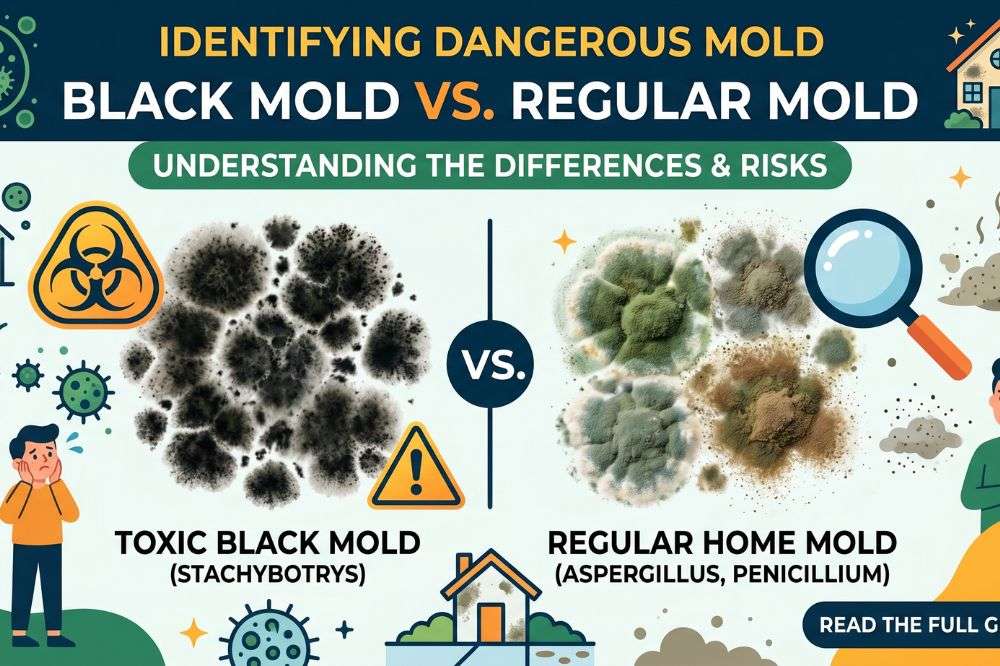
Foundation drainage is a more significant issue. When soil around the foundation slopes toward the house, or when downspouts discharge too close to the structure, groundwater accumulates against the basement walls and crawl space foundations. This drives moisture into the building’s lowest levels — exactly where mold colonies are hardest to detect. It’s worth noting that not all mold looks the same or poses the same health risks; understanding how different mold types compare in terms of appearance and health risks helps you assess the severity of any growth you do find.
Regrading soil to slope away from the foundation by at least 6 inches over 10 feet, extending downspout discharge at least 4 feet from the structure, and installing window well covers over basement egress windows all help keep groundwater where it belongs: outside.
The Common Thread: Moisture Control Is Everything
Every one of these seven causes traces back to the same root problem: uncontrolled moisture. As the EPA states in its mold guidance, the key to mold control is moisture control. Mold spores are present in virtually every indoor environment — there’s no way to eliminate them entirely. But without a persistent moisture source, they cannot colonize or grow.
This means that addressing any of the causes above does double duty: it removes the condition that drives mold growth and protects the structural materials in your home from the water damage that can lead to costly repairs.
King County’s climate creates a high baseline risk for homeowners. Long rainy seasons, mild temperatures that allow mold to grow year-round, and an older housing stock with aging systems and building envelopes make the causes described above particularly common here. Proactive attention to ventilation, plumbing, drainage, and regular system maintenance pays significant dividends over time.
What to Do If You’ve Already Found Mold
If you’ve identified mold in your home — or suspect it may be present behind a surface based on odor or moisture history — professional assessment is the recommended next step. Small visible patches and large hidden infestations require very different responses, and the right approach depends on the species, the extent of growth, and the location of the affected materials. A key consideration for many homeowners is whether it’s safe to remain in the home while remediation is underway — a decision that depends on the scope and location of the contamination.
Addressing the underlying moisture source is always the first priority. Removing mold without addressing the underlying cause leads to recurrence, often within a few weeks. A qualified remediation professional will identify the moisture source, contain the affected area, remove contaminated materials, and verify that air quality has returned to normal before work is considered complete.
Ready to Protect Your Home?
If you’re a homeowner in Tukwila, Auburn, Kent, Seattle, or Bellevue and you’re concerned about mold — whether from a recent water event, a persistent odor, or a visible problem you’ve discovered — DKJAY Restoration is available 24 hours a day, 7 days a week. Our IICRC-certified mold remediation team provides professional assessments, expert removal, and full insurance claim support throughout King County. Call us today at (206) 819-4977 or visit dkjayrestorations.com to request a free consultation.