Why Tukwila’s Winters Create the Perfect Storm for Mold
Tukwila’s steady winter rain and cool Pacific air create more than just gloomy afternoons — they set the stage for hidden attic mold that silently spreads above your ceiling.
During the wet season, constant humidity, roof condensation, and reduced ventilation combine to trap moisture inside insulation and attic sheathing. When warm indoor air meets that damp surface, microscopic mold spores find a perfect home to thrive.
Most homeowners never notice the warning signs until visible stains or a musty odor appear — and by then, structural damage or health impacts may already be underway.
How Attic Mold Forms in Wet Weather
Mold growth begins whenever moisture lingers uninterrupted for more than 24–48 hours. In Tukwila, a few common winter factors contribute:
- Roof leaks or missing shingles: Even a small gap can drip onto attic insulation for weeks unseen.
- Improper ventilation: Many local homes have blocked soffit vents or underperforming ridge vents, which trap humidity instead of releasing it.
- Inadequate insulation: Poor insulation allows warm, moist air from inside the home to rise into the attic, where it condenses into water droplets on cold wood beams.
- Poor bathroom or dryer venting: Exhaust lines that terminate in the attic rather than outdoors continually introduce moisture.
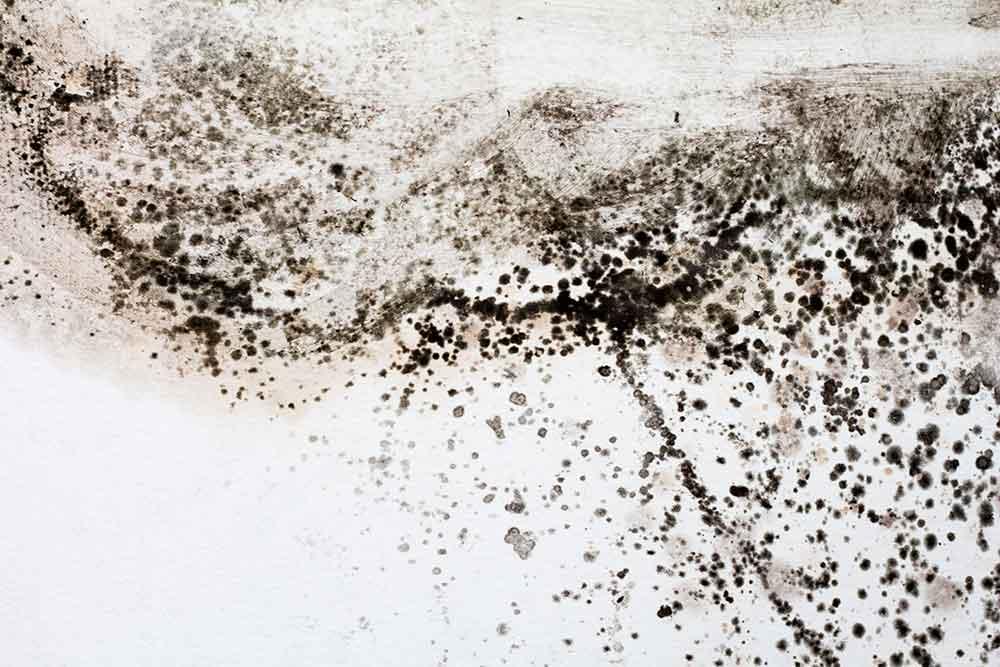
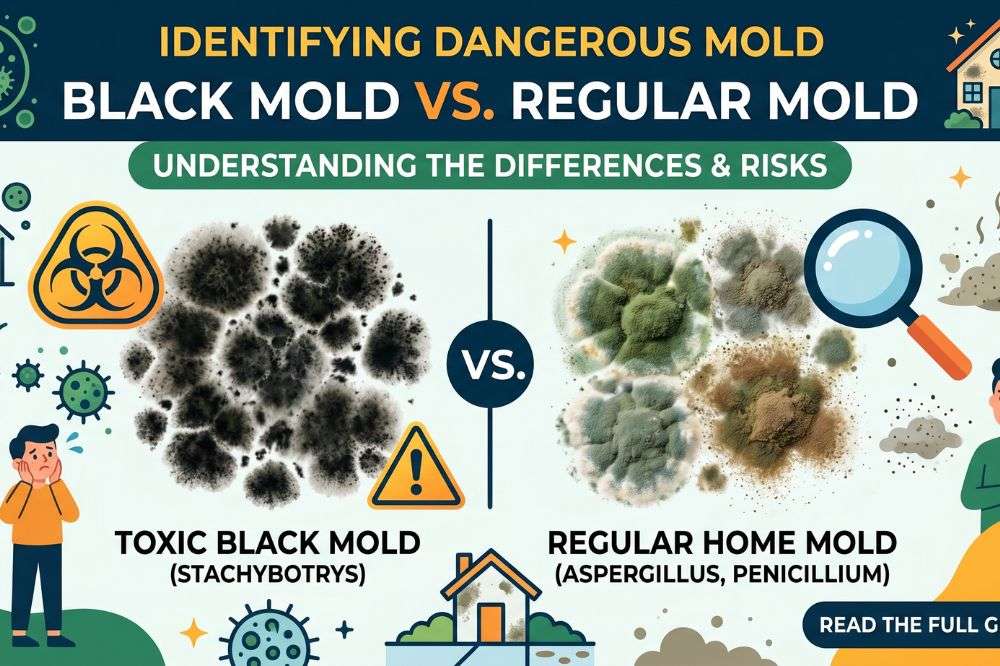
Once these conditions exist, mold species like Stachybotrys (black mold), Aspergillus, or Penicillium can colonize quickly on plywood, rafters, and insulation backing.
Hidden Health Risks From Attic Mold
Because attic mold is out of sight, homeowners often underestimate its effects.
However, mold doesn’t need to be visible to release spores into shared airspace through ceiling gaps or HVAC ducts.
Common health impacts include:
- Chronic coughing, nasal congestion, or allergic flare-ups.
- Headaches, dizziness, and fatigue from mycotoxin exposure.
- Exacerbation of asthma and respiratory illnesses, particularly in children or seniors.
In severe cases, long-term exposure to black mold can lead to serious immune responses, making professional remediation not just advisable — but essential.
Structural Damage You Might Not Notice
Attic mold isn’t only a health concern — it’s also a silent destroyer of property value. Over time, the fungus eats through organic materials:
- Wood rot. Mold breaks down cellulose, weakening rafters and roof sheathing.
- Insulation damage. Contaminated insulation loses efficiency and continues to spread spores through air circulation.
- Roof lifespan reduction. Persistent moisture from mold activity may accelerate roof deterioration, leading to premature replacement costs.
If reselling or refinancing is ever in your plans, a failed mold inspection can halt the process — or slash appraisal value instantly.
Warning Signs of Attic Mold This Winter
Even though you rarely enter the attic, a few subtle clues can hint that a problem is developing:
- A persistent damp or earthy odor indoors.
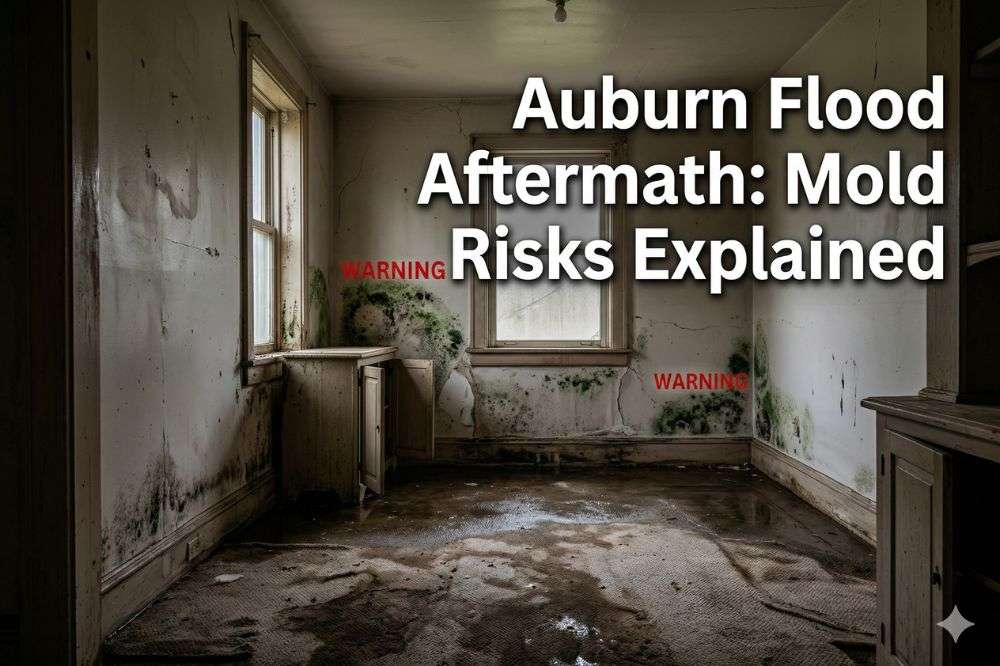
- Dark streaks or spotting at the ceiling edges.
- Rising indoor humidity despite running dehumidifiers.
- Ice dams forming along the roofline after rainfall.
- Unexplained allergies that worsen in winter months.
Detecting these early gives you a chance to intervene before expensive remediation or structural repair becomes unavoidable.
Professional Mold Inspection and Remediation in Tukwila
While DIY fixes like bleach spraying or “mold-killing paint” might offer quick visual improvement, they rarely address the root cause.
True remediation involves identifying the moisture source, safely removing affected materials, and preventing recurrence through ventilation correction and vapor barrier improvements.
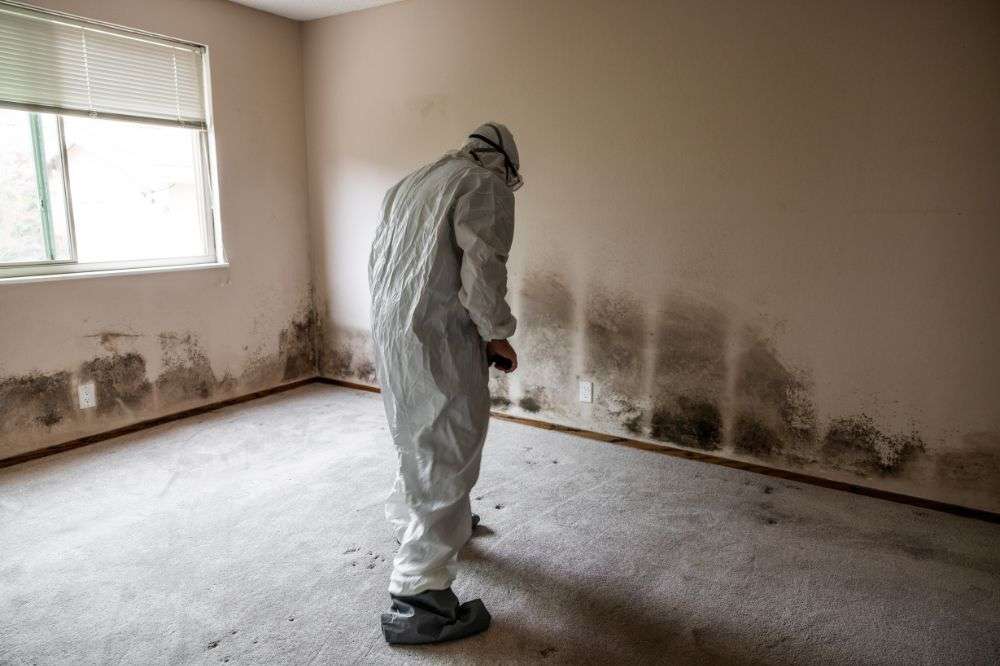
Local professionals use moisture meters, infrared scanners, and containment protocols to ensure every spore is properly handled without cross-contamination to living spaces.
If you suspect attic mold over this rainy season, scheduling an expert inspection can protect both your property and your family’s health before conditions worsen.
Protect Your Home Before Mold Spreads
Tukwila’s wet winters make proactive moisture management nonnegotiable.
Routine attic checks, insulation upgrades, and professional dehumidifier installation all help, but prompt action after any roof leak remains the most effective step.
Ready for a professional assessment or remediation quote?
At DKJAY Restoration we serve 24/7 Fast Water Damage Restoration in Tukwila WA to schedule fast, licensed service trusted by homeowners across King County.