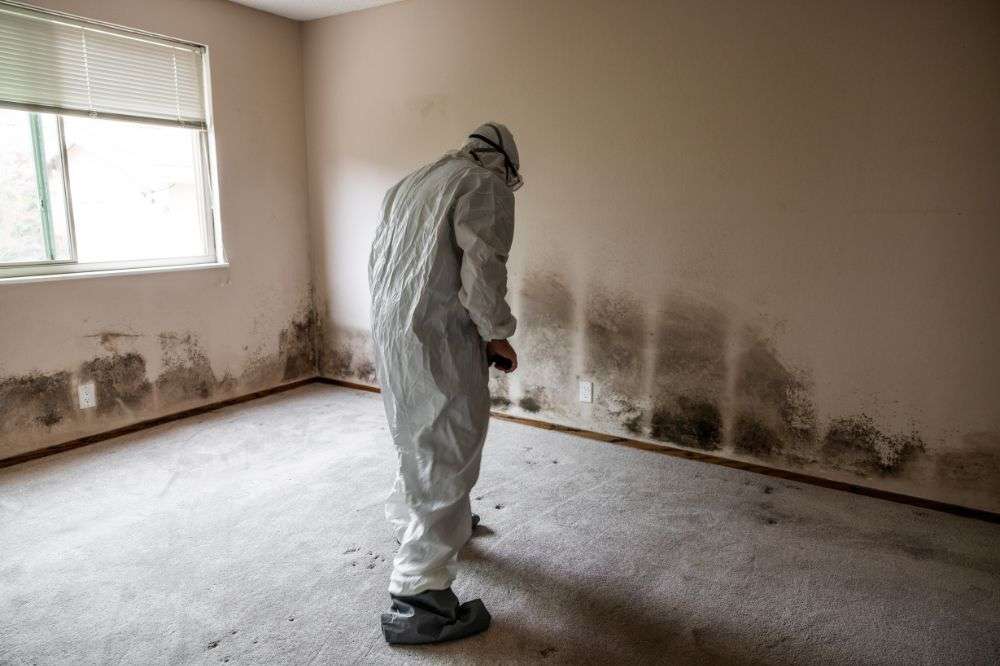
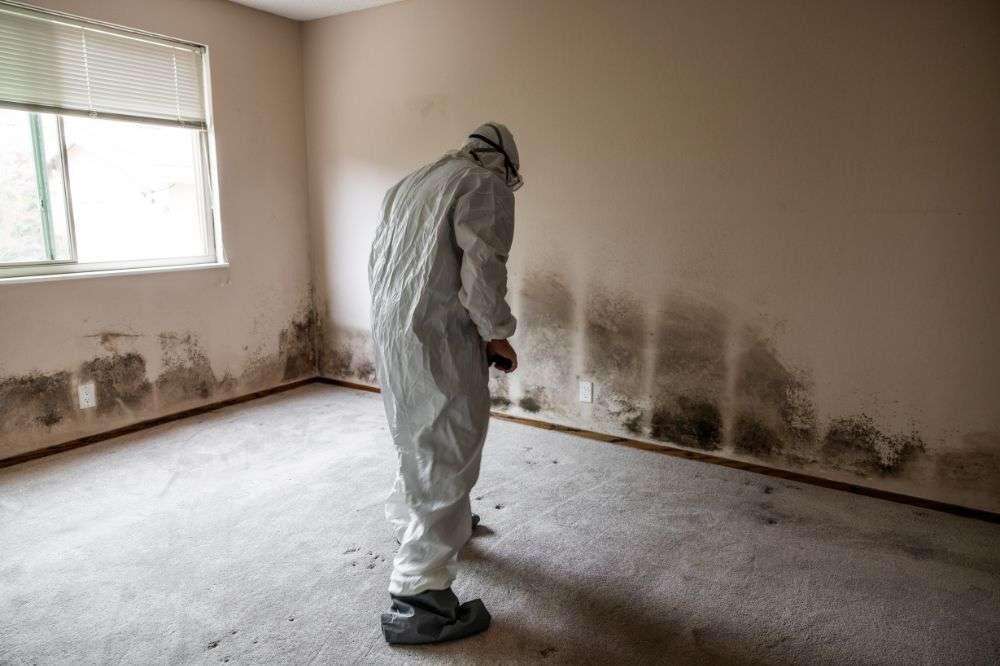
Mold in the crawl space is one of the most common — yet overlooked — indoor air quality issues for homeowners across Kent, WA. Crawl spaces are often dark, poorly ventilated, and prone to moisture accumulation, creating an ideal environment for mold growth. Understanding how mold develops and taking proactive measures can save homeowners from costly structural damage and health risks.
In this guide, we’ll explain why crawl space mold occurs, the risks it poses, how to detect early signs, and the most effective ways to prevent it.
Why Mold Grows in Crawl Spaces
Crawl spaces are particularly vulnerable to mold due to three main factors:
Moisture Accumulation
High humidity, condensation, and groundwater intrusion are primary triggers for mold growth. Kent’s damp seasonal climate makes it easier for moisture to collect in crawl spaces if proper drainage and sealing are not in place.
According to the Environmental Protection Agency’s guide on mold and moisture control, mold thrives in areas where excess moisture goes unnoticed, such as hidden crawl spaces.
Poor Ventilation
Limited airflow prevents moisture from evaporating quickly. Without proper ventilation systems such as vents, fans, or dehumidifiers, stagnant air allows mold spores to settle and grow. The American Society of Home Inspectors (ASHI) recommends proper ventilation as a critical step in preventing indoor mold growth.
Organic Materials
Wood beams, insulation, cardboard, and other organic materials in crawl spaces provide food for mold. Once spores land on these surfaces in the presence of moisture, mold begins to colonize. The Mayo Clinic emphasizes that mold feeds on organic materials and can contribute to structural damage if unchecked.
The Hidden Dangers of Crawl Space Mold
Mold in crawl spaces can have serious consequences if left unaddressed:
Health Effects for Residents
Mold spores can migrate into living spaces through air ducts or gaps in flooring. For sensitive individuals — especially children, elderly adults, or those with respiratory conditions — this can trigger allergy symptoms, respiratory irritation, and other health concerns. You can read more about the health effects of indoor mold exposure for detailed information.
Structural Damage
Mold feeds on wood and other organic materials. Over time, unchecked mold can weaken foundation beams, support joists, and subflooring, leading to costly structural issues. The National Association of Home Builders notes that mold damage in crawl spaces can compromise the foundation and overall home integrity.
Reduced Home Value
Visible mold problems or documentation showing past moisture issues can decrease home resale value and complicate selling. Realtor.com emphasizes that homes with moisture or mold problems often see a reduction in market value.
Signs You May Have Mold in Your Crawl Space
Unlike visible mold on walls or ceilings, crawl space mold often shows subtle early signs:
- Musty odors, especially in basements or lower floors
- Condensation on pipes or wood surfaces
- Peeling paint or warped wood
- Allergy flare-ups that improve when away from home
- High indoor humidity (above 60%)
If you suspect mold, a professional inspection is recommended. Mold testing can identify hidden colonies and determine moisture sources.
Proven Strategies to Prevent Crawl Space Mold
Prevention revolves around one central theme: manage moisture. Here are practical steps Kent homeowners can take.
Improve Crawl Space Ventilation
Proper airflow helps reduce condensation and humidity:
- Install foundation vents if missing
- Consider mechanical ventilation systems
- Use fans in areas with high humidity
Ventilation paired with moisture barriers dramatically improves conditions.
Add a Moisture Barrier
A vapor barrier — typically durable plastic sheeting — lines the crawl space floor to stop ground moisture from evaporating into the space. Install the barrier extending up the walls and secure seams with tape for full coverage. This is one of the most effective ways to keep moisture levels low year-round. Learn more about mold remediation strategies for homeowners.
Grade and Redirect Exterior Water
Ensure exterior grading slopes away from the house to prevent rainwater from pooling near the foundation:
- Install or clean gutters and downspouts
- Add extensions to direct water at least 6–10 feet from the home
- Install French drains if necessary
Proper water management around the home is the first line of defense against crawl space dampness. The International Association of Certified Home Inspectors (InterNACHI) provides tips on proper grading and drainage to prevent moisture issues.
Seal Any Groundwater Entry Points
Cracks in the foundation or poorly sealed utility penetrations allow water to seep in. Professional contractors can:
- Seal cracks with hydraulic cement
- Use waterproof coatings on foundation walls
- Install sump pumps where needed
These steps help eliminate persistent wet spots that fuel mold growth.
Control Indoor Humidity
Maintain crawl space humidity below 60%, ideally between 30% and 50%:
- Install dehumidifiers designed for crawl spaces
- Use smart humidity sensors with alerts
- Keep HVAC systems properly sized and maintained
Controlled humidity stops mold spores from settling and reproducing.
Regular Crawl Space Inspections
Schedule seasonal inspections, especially after heavy rains, to check for moisture or condensation issues before they become mold problems. DIY checks are useful, but expert evaluation is more reliable. For Kent homeowners dealing with recurring moisture or visible mold, professional services may be necessary.
When Professional Help Is Needed
If mold is already present or moisture problems persist despite preventive steps, professional assistance is essential. At DKJAY Restorations, our certified technicians specialize in mold removal services in Kent, WA and use industry-standard techniques to assess mold extent, eliminate colonies, and address moisture sources.
For a deeper understanding of effective remediation strategies, check out our complete guide to mold remediation for homeowners, which explains methods to maintain a healthier home environment.
Why Investing in Mold Prevention Matters
Preventing crawl space mold protects your home’s foundation, maintains healthy indoor air quality, and preserves property value. Proactive moisture control helps you avoid:
- Costly structural repairs
- Health issues linked to mold exposure
- Frequent remediation treatments
Final Takeaway
Crawl space mold is common in Kent homes but can be prevented with consistent moisture management and targeted maintenance. Whether building, renovating, or planning seasonal care, proactive steps today help avoid major problems tomorrow.
For expert inspection, prevention planning, and remediation services, contact DKJAY Restorations to safeguard your home from crawl space mold.