Introduction
For many households, mold is a stubborn issue that can cause significant damage. It not only weakens the structural integrity of your property but also poses serious health risks to you and your family. Mold can start developing as quickly as 24 to 48 hours after an area is exposed to moisture, according to the EPA, which is why taking immediate action is essential.
In this guide, we’ll walk you through everything you need to know about mold remediation—from spotting early warning signs to understanding health risks, the professional cleanup process, costs, prevention strategies, and FAQs. Whether you’re already dealing with visible mold growth or want to prevent it, this complete guide will help you make informed decisions.
What Is Mold and Why Does It Matter?

Mold is a form of fungus that grows best in areas with excessive moisture and high humidity. Indoors, it can grow on walls, ceilings, floors, carpets, insulation, and even furniture.
Why homeowners should care:
- Structural harm – Mold gradually deteriorates organic materials like drywall and wood.
- Health risks – Exposure can cause allergies, asthma flare-ups, and respiratory problems. (CDC)
- Spread – Once mold spores become airborne, they can contaminate other areas quickly.
Common Causes of Mold Growth in Homes
Mold doesn’t appear out of nowhere—it’s always tied to moisture problems. Here are the main culprits:
- Water damage – Leaking pipes, burst plumbing, or flooding.
- Roof leaks – Damaged shingles or poor flashing allow water into attics and ceilings.
- Inadequate airflow – Enclosed spaces like kitchens, basements, and bathrooms often retain moisture due to poor circulation.
- Condensation – Common around windows, HVAC units, and ductwork.
- High humidity – Regions with humidity levels above 60% are especially prone.
Pro Tip: Maintain indoor humidity at 30–50% to help prevent mold growth.(American Lung Association)
Signs You Have Mold in Your Home
In some cases, mold is easy to spot, but it commonly hides out of sight—in ventilation systems, beneath flooring, or inside walls.Watch for these signs:
- Persistent mildew-like odor – A continuous earthy or wet smell that doesn’t go away.
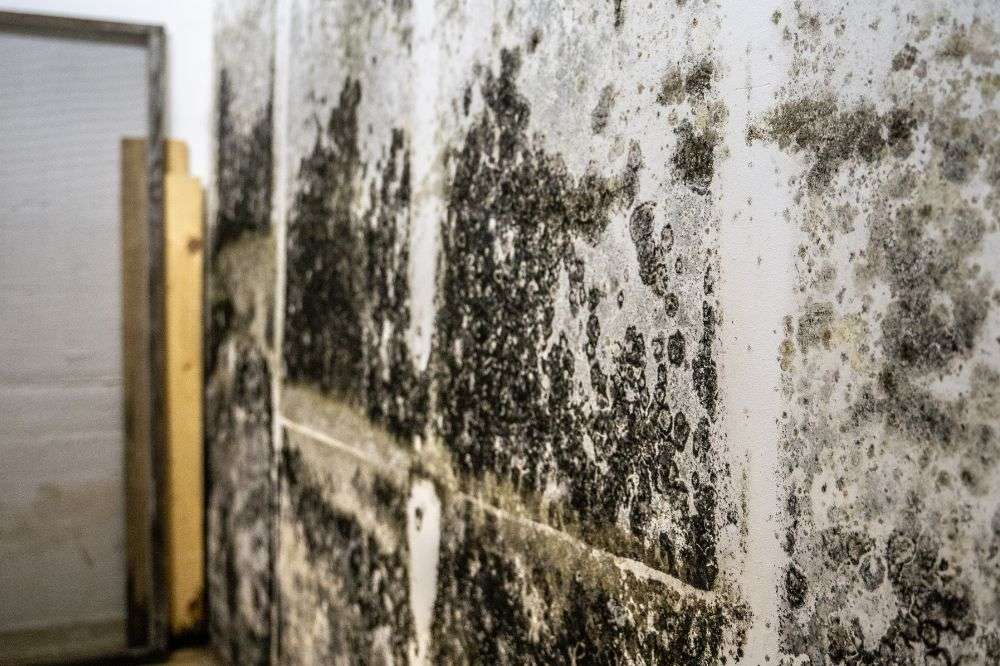
- Visible growth – Black, green, or white patches on walls or ceilings.
- Water stains – Discoloration or bubbling paint.
- Allergy symptoms indoors – Coughing, wheezing, or itchy eyes that worsen at home.
- Warped materials – Swelling or deterioration of wood and drywall.
The Health Risks of Mold Exposure
Mold isn’t just unsightly—it can have serious effects on your health.
Short-term health risks:
- Sneezing, coughing, runny nose
- Skin irritation and rashes
- Throat irritation
Long-term health risks:
- Chronic respiratory conditions
- Asthma attacks
- Heightened allergic reactions
- In vulnerable individuals with low immunity, infections can occur in severe instances.
The CDC emphasizes that no level of indoor mold exposure is safe, especially for children, elderly people, and those with pre-existing conditions.
DIY Mold Removal vs. Professional Remediation
One of the most common questions homeowners ask is: Should I clean mold myself or hire a professional?
When DIY may be safe:
- Small patches (under 10 square feet).
- Non-porous surfaces like glass or tile.
- When protective gear (gloves, mask, goggles) is used.
When to call professionals:
- Mold covers more than 10 square feet (EPA recommendation).
- Mold is inside HVAC systems or ductwork.
- Water damage has soaked walls, flooring, or ceilings.
- Household members have health issues.
- You’re dealing with toxic black mold (Stachybotrys chartarum).
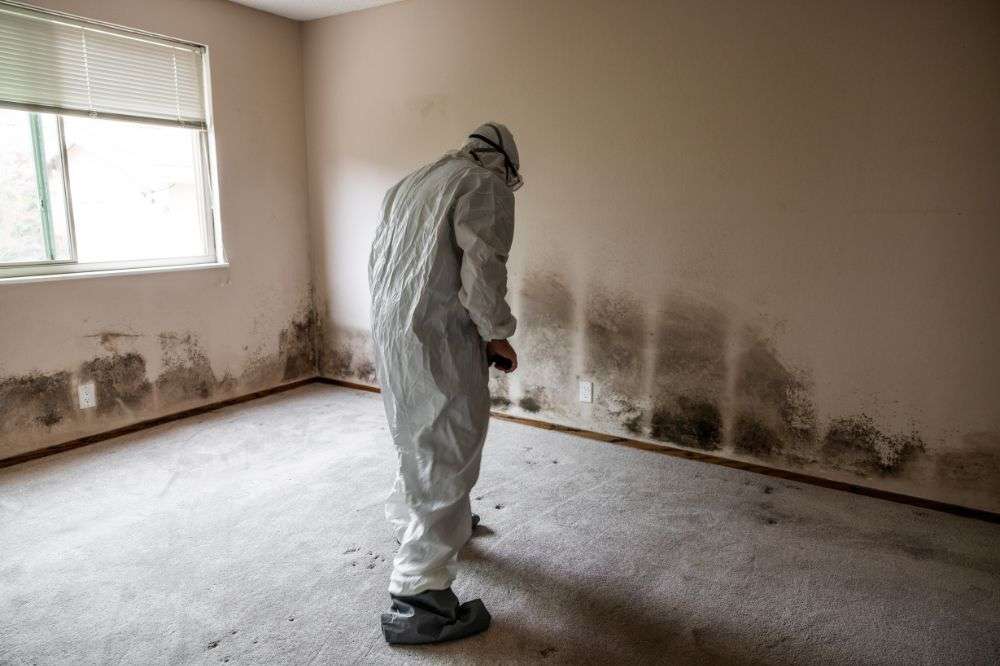
✅ Professional restoration companies like DKJAY Restoration not only remove visible mold but also eliminate hidden growth, dry affected areas, and apply antimicrobial treatments to prevent regrowth.
The Professional Mold Remediation Process
Professional mold remediation follows a structured process to ensure the problem doesn’t return. Here’s what you can expect:
- Inspection & Assessment
- Moisture source identification
- Air and surface testing if needed
- Mapping out contaminated areas
- Moisture source identification
- Containment
- Sealing off affected areas with plastic barriers
- Maintaining negative air pressure in the workspace to trap and isolate airborne spores.
- Sealing off affected areas with plastic barriers
- Air Filtration
- HEPA scrubbers work by filtering mold spores and circulating cleaner air.
- HEPA scrubbers work by filtering mold spores and circulating cleaner air.
- Mold Removal
- Safe removal of contaminated materials (drywall, carpets, insulation)
- Cleaning non-porous surfaces with antifungal solutions
- Safe removal of contaminated materials (drywall, carpets, insulation)
- Drying & Dehumidification
- Industrial fans and dehumidifiers to eliminate lingering moisture
- Industrial fans and dehumidifiers to eliminate lingering moisture
- Sanitization & Prevention
- Antimicrobial treatments applied
- Air ducts, furniture, and belongings sanitized
- Antimicrobial treatments applied
- Restoration
- Repairs or reconstruction if major materials were removed
- Repairs or reconstruction if major materials were removed
Based on the guidelines outlined in the IICRC S520 Mold Remediation Standard.
Costs of Mold Remediation
The cost is influenced by factors such as damage severity, area size, and required restoration work.
- Small area cleanup: $500–$1,500
- Whole-room remediation: $2,000–$6,000
- Severe infestation with structural repairs: $10,000+
Homeowners insurance may cover mold remediation if caused by a sudden, accidental event (like a burst pipe) but often excludes long-term neglect.
Mold Prevention Tips for Homeowners
The best way to handle mold is to stop it before it starts.
- Control humidity to stay below 50%, with dehumidifiers as backup.
- Ensure proper ventilation in bathrooms, kitchens, and basements.
- Make a habit of cleaning gutters and positioning drainage to steer water away from the foundation walls.
- Inspect roofing, plumbing lines, and heating/cooling systems for potential water leaks.
- Dry wet materials (carpets, upholstery, wood) within 24–48 hours.
- Install vapor barriers in crawl spaces and basements.
FAQs About Mold Remediation
Q: How fast does mold spread?
A: Within just one to two days, mold may start forming and can expand rapidly without prompt action.
Q: Is black mold more dangerous than other types?
A: Black mold (Stachybotrys chartarum) produces mycotoxins and is considered more hazardous, but all molds should be treated seriously.
Q: Can I stay in my house during remediation?
A: For small areas, yes. For larger contamination, professionals may recommend temporary relocation.
Q: What’s the best way to know if remediation successfully eliminated mold?
A: Air testing, moisture readings, and professional clearance inspections ensure complete removal.
Why Choose DKJAY Restoration for Mold Remediation
At DKJAY Restoration, we proudly deliver specialized mold remediation services to families in Kent, Tukwila, Seattle, Auburn, and Bellevue.
- 24/7 emergency response
- Certified technicians following IICRC guidelines
- State-of-the-art drying and remediation equipment
- Family-owned and trusted in the community
- Full-service restoration—from removal to reconstruction
Whether you’re facing minor mold patches or a severe infestation, our team is here to help restore your home safely and effectively.
Conclusion
Mold isn’t just a cosmetic issue—it can compromise both your property and your health. Knowing how to spot mold early, understand the risks, and take swift action is key to protecting your home.
By following the prevention tips in this guide and calling professionals when needed, you’ll maintain a healthier, safer living environment for your family.
If you need professional mold remediation in Washington, contact DKJAY Restoration today at (206) 819-4977.