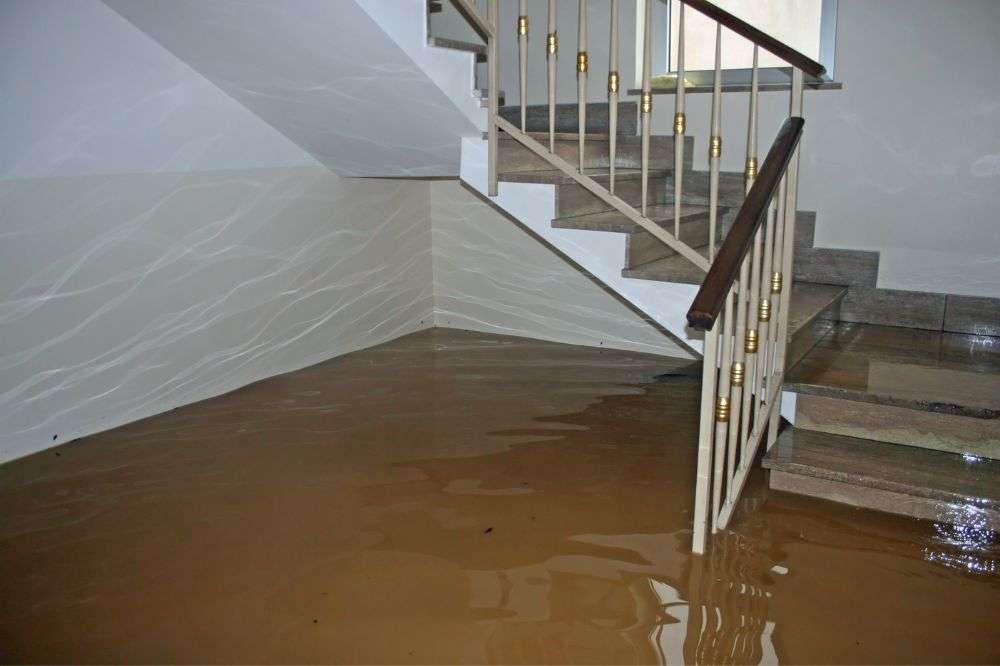
A pipe burst can quickly turn into one of the most serious emergencies a Seattle homeowner faces. In the Pacific Northwest’s cold winter months, freezing temperatures, older plumbing systems, and aging infrastructure mean that just a small crack can release hundreds of gallons of water in a matter of hours. In fact, as soon as water starts escaping from a ruptured line, damage begins — often unseen — in walls, floors, and ceilings. For general water safety and emergency preparedness, see the Federal Emergency Management Agency (FEMA) guidelines on water damage.
Understanding the critical first 24 hours after a pipe burst isn’t just helpful — it’s essential. What you do on that first day can prevent structural failure, costly repairs, mold infestations, and insurance claim issues.
Why Immediate Action Matters
When a pipe bursts:
- Water can travel behind drywall and under flooring, saturating structural supports.
- Mold spores begin growing within 24–48 hours in damp environments. Learn more from the CDC on mold after water damage.
- Electrical hazards can emerge as water reaches outlets or breaker panels. For electrical safety during water emergencies, see U.S. Consumer Product Safety Commission guidelines.
The first 24 hours are about safety, mitigation, documentation, and professional support — and every minute counts.
Hour 0: Safety First — What to Do Immediately
1. Shut Off the Water Supply
The fastest way to stop damage is to cut off the source. Turn the main water shut-off valve to stop water flow into your home. If you’re not sure where this is, the City of Seattle Emergency Management recommends locating and labeling it in advance so you can act without hesitation.
2. Turn Off Electricity in Affected Areas
If water is near outlets, appliances, or the electrical panel, shut off power to those circuits. Water and electricity together pose a deadly risk. Refer to the U.S. Electrical Safety Foundation for guidance.
3. Stay Safe Around the Burst Area
Do not walk through standing water if power may still be live. If necessary, stay away from the home until it’s safe. For more tips, see the CDC guidance on electrical hazards in homes.
First 1–4 Hours: Mitigation and Documentation
Once immediate hazards are under control:
4. Document Everything for Your Claim
Take detailed photos and videos of the burst pipe, flooded areas, and any damaged items. Insurance companies often require this evidence before processing claims.
5. Remove Small Items and Begin Safe Water Removal
Move furniture, electronics, and valuables out of the affected area if possible. Use towels or buckets to contain water, but only if it’s safe to do so. This slows secondary damage and mold growth. See EPA guidance on controlling moisture indoors for more details.
6. Open Faucets to Remove Residual Water
After the main shut-off is closed, open cold water faucets and flush toilets to help drain the system and relieve pressure.
Hours 4–12: Engage Professional Help
7. Call an Emergency Plumber
A licensed plumber can assess the damaged section and permanently stop the leak.Burst pipes are not a DIY fix.
8. Contact Your Insurance Provider
Notify your insurer immediately. Prompt communication helps protect coverage and ensures mitigation efforts are recognized in your claim.
9. Bring in Professional Restoration
Water extraction and drying must be thorough, as water can infiltrate hidden cavities. A trusted team such as DKJAY Restoration’s Seattle water damage services can mobilize quickly to contain and reverse the damage.
Hours 12–24: Advanced Mitigation and Monitoring
10. Industrial-Grade Drying
Professional crews use dehumidifiers, air movers, and moisture meters to ensure hidden moisture is removed. Proper drying prevents mold and warping later. See EPA guidance on mold prevention.
11. Assess Structural Damage
Water may weaken drywall, flooring, and framing. A restoration expert can identify these issues using thermal imaging and moisture mapping tools — something homeowners rarely have on hand. For structural safety information, refer to FEMA’s residential building guidance.
12. Keep Detailed Records
Save all invoices, reports, and communication logs related to the burst pipe, cleanup, and repairs. These support your insurance claim and may improve your reimbursement outcome.
What to Avoid in the First 24 Hours
Waiting to Turn Off Water — Every minute adds gallons of water to your home.
Using Electrical Devices in Wet Areas — This is a major safety risk.
Delaying Professional Help — The longer you wait, the more damage mounts.
Final Thoughts: Speed Saves Homes
Pipe bursts are chaotic, stressful, and potentially destructive — especially in Seattle’s cold climate and older housing stock. Homeowners who act fast, stay safe, document thoroughly, and enlist professionals in the first 24 hours give themselves the best chance of avoiding long-term problems.
For experienced, comprehensive cleanup and restoration after a pipe burst in Seattle, contact the expert team at DKJAY Restoration.