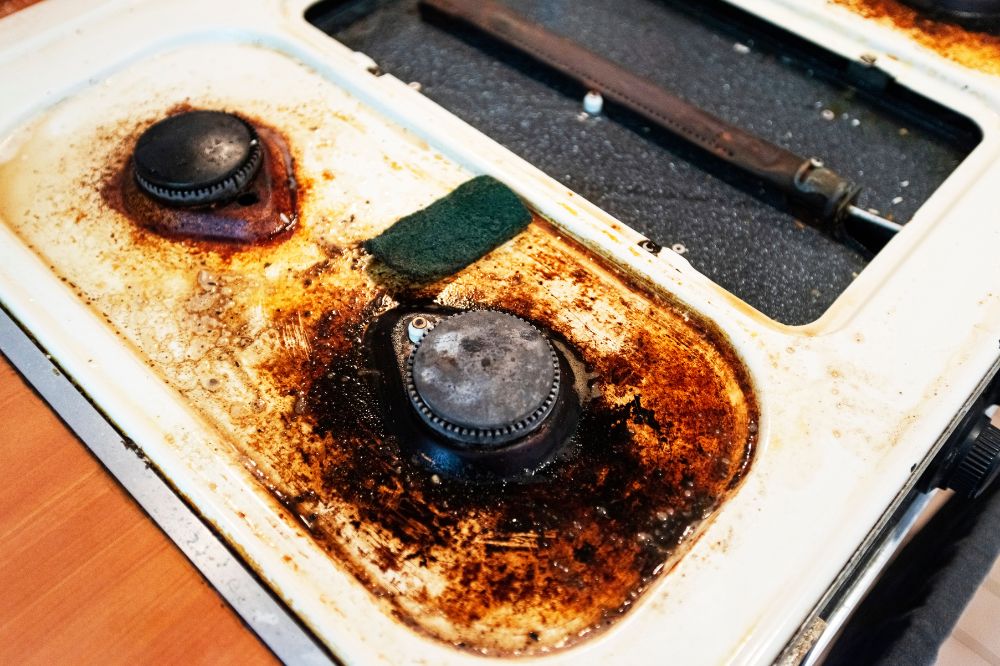
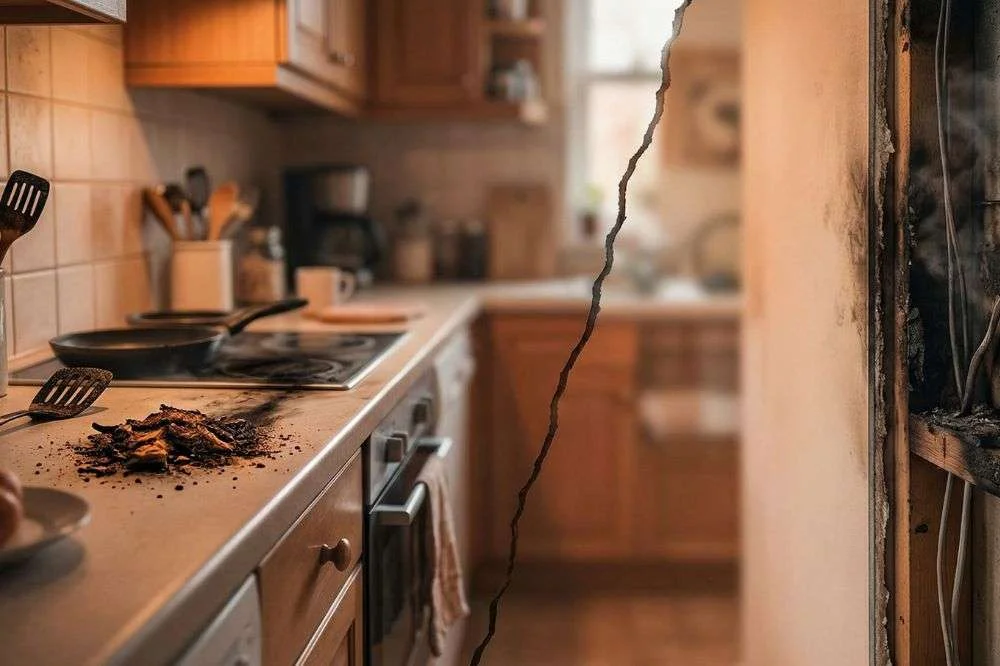
You put out the flames, and the smoke clears. Though the kitchen looks manageable, assuming the worst is over can be costly. Even minor fires can cause hidden damage affecting your home’s structure, air quality, and everyone’s safety. Knowing what happens after a kitchen fire is key to protecting your home and family.
Kitchen Fires Are More Common Than You Think
Cooking is the leading cause of home fires in the United States, according to the National Fire Protection Association (NFPA). Nearly half of residential fires are caused by cooking, and unattended cooking is the main factor. Ranges and stoves are responsible for about 71% of nonconfined cooking fires.
These statistics are to inform, not alarm. Brief distractions or leaving a pot unattended can escalate quickly. While the fire may be small and easily contained, cleanup is rarely as simple as wiping surfaces.
The Hidden Damage You Can’t See
A common misconception is that fire damage is only what you see. In reality, smoke and soot can persist in your home after the flames are gone, and their effects are often invisible and ongoing.
Smoke and Soot Spread Throughout the Entire Home
Smoke doesn’t stay in the kitchen. Once a fire produces smoke, tiny acidic particles travel through openings—doorways, walls, electrical conduits, and especially your HVAC system. If the system runs during or after the fire, smoke and soot are drawn into ducts and spread throughout the house.
Soot, made of carbon and acidic byproducts, settles and corrodes surfaces, discolors paint, stains fabrics, and damages wood finishes. Each hour soot sits, the damage becomes more permanent, making a quick professional response crucial.
The Special Danger of Protein Smoke from Kitchen Fires
Kitchen fires create protein smoke—an invisible residue from burning food and oils. It produces a strong odor, discolors paint, and cannot be cleaned with regular products; special enzyme cleaners are needed.
Structural Damage from Heat
The heat from a kitchen fire can weaken ceilings, walls, beams, and drywall, even if they didn’t burn. Damage may be invisible, but it can impact your home’s structure if not properly checked and repaired.
Water Damage and Mold: The Aftermath of Firefighting
Even if the fire department wasn’t called, any water used to extinguish the fire or from sprinklers seeps into walls and floors. Combined with smoke, this moisture can cause mold within 24 to 48 hours.
Mold can grow unseen behind walls, under floors, and in cabinets. Warped walls, swelling, and buckling are warning signs. Without professional equipment, this damage is hard to detect until it’s severe.
What Washington Homeowners Should Watch For
Homeowners in Auburn, Kent, Seattle, Bellevue, and Tukwila face typical post-fire risks, but Washington’s damp climate increases the likelihood of mold growth. Here are warning signs that hidden damage may be spreading after a kitchen fire:
- A persistent smoky or burnt smell that lingers even after airing out the home
- Yellow, gray, or black staining on walls and ceilings outside the kitchen
- Electronics or appliances that malfunction or behave erratically in the days following a fire
- A powdery or greasy residue that reappears on surfaces after cleaning
- Warped floors, bubbling paint, or discolored drywall in rooms away from the kitchen
- Visible mold growth or a musty smell, particularly in cabinets or along baseboards
If you notice these signs, avoid extensive cleanup yourself. Improper cleaning can worsen the damage and health risks. Professionals use specialized tools to detect and address hidden issues effectively.
Why Speed Matters: The 48-Hour Rule
After a fire, time matters. Soot can etch metal in minutes and stain fabrics in hours. Days later,
Moisture from firefighting allows mold to grow. The IICRC recommends starting professional restoration immediately after a fire—not days later or after using household cleaners.
The cost of delay is real. What might be a straightforward professional cleaning job can become a full structural remediation project if left for even a week. Acting fast — calling a professional restoration company within the first 24 hours — can be the difference between a manageable repair bill and a major renovation.
Don’t Let a Small Fire Become a Big Problem
A small fire rarely stays contained to the kitchen. Smoke, soot, heat, and water can damage areas throughout your home. With a fast, professional response, even hidden damage can be fully corrected.
If your home in Auburn, Kent, Seattle, Bellevue, Tukwila, or surrounding areas experiences a kitchen fire—no matter how small—DKJAY Restorations responds 24/7. Our certified technicians assess damage, remediate smoke and soot, inspect structures, detect moisture, and handle full rebuilding. Call us today for a complimentary consultation before hidden damage gets worse.