Storm drain backups can cause serious headaches for homeowners and businesses in Tukwila, especially during heavy rain events or when local drainage infrastructure is overwhelmed. In this in‑depth guide, we’ll break down what storm drain backups are, why they happen, how they affect your property and health, and what you can do to prevent them.
1. What Are Storm Drain Backups?
Storm drains are part of the city’s infrastructure designed to carry excess rainwater and surface runoff from streets, parking lots, and properties to nearby water bodies like the Duwamish River. When functioning properly, they help prevent flooding and protect public and private property. However, when these drains become clogged or overwhelmed, water can back up into streets, yards, and even basements.
Unlike a typical sewer backup (which involves wastewater from toilets and sinks), storm drain backups primarily involve stormwater (rainwater and runoff) — but they can still cause serious issues.
2. How Storm Drain Systems Work in Tukwila
Tukwila manages stormwater under regulations such as the National Pollutant Discharge Elimination System (NPDES), which aims to reduce pollution and runoff impacts in local rivers and waterways. Local stormwater systems collect rainwater and direct it through underground pipes to discharge points in nearby waterways.
Even though storm drains are meant to handle only rainwater, heavy storms can push their limits — especially if drains are clogged or if runoff volumes exceed system capacity. Learn how these conditions can impact your property in Tukwila basement flooding from Duwamish River rains.
3. Common Causes of Storm Drain Backups
Storm drain backups don’t happen in a vacuum — they’re usually connected to a mix of environmental and system factors:
A. Heavy Rainfall and Stormwater Volume
When a large storm hits, huge volumes of rainwater try to enter the drainage system all at once. If the storm drains or downstream channels can’t handle the flow, water can back up into streets and nearby properties. Learn more about heavy rain impacts from USGS Stormwater Resources.
B. Clogged Drains
Storm drains can be blocked by leaves, branches, dirt, trash, and other debris. When the inlet or underground pipes are blocked, water has nowhere to go except back up onto the road or into low-lying areas. For community-based storm drain care, check Seattle Public Utilities volunteer storm drain program.
C. Debris and Illicit Dumping
Storm drains should only carry rainwater, but sometimes yard waste, construction debris, and other pollutants make their way into the system. This not only pollutes waterways but can contribute to backups and blockages. Learn about regulations from Tukwila Public Works.
D. Aging Infrastructure
Older pipes and catch basins can deteriorate, collapse, or have limited capacity. If portions of the system are failing or too small for newer storm volumes, backups become more likely. Check EPA infrastructure resources for more details.
4. Storm Drain vs. Sewer Backup — What’s the Difference?
It’s important to distinguish between storm drain backups and sewer backups:
- Storm drain backups involve rainwater and surface water failing to enter or exit the storm system. These are often clear or slightly dirty depending on what the storm picked up in the environment.
- Sewer backups involve wastewater from toilets, sinks, and drains backing up into properties — and these carry harmful pathogens and contaminants. Learn the health risks in our Tukwila sewer backup health hazards guide.
Heavy storms can sometimes cause both issues at once if stormwater infiltrates sewer lines or overwhelms combined systems.
5. Why Storm Drain Backups Matter
Even though stormwater is often cleaner than raw sewage, backups can still:
• Cause Property Damage
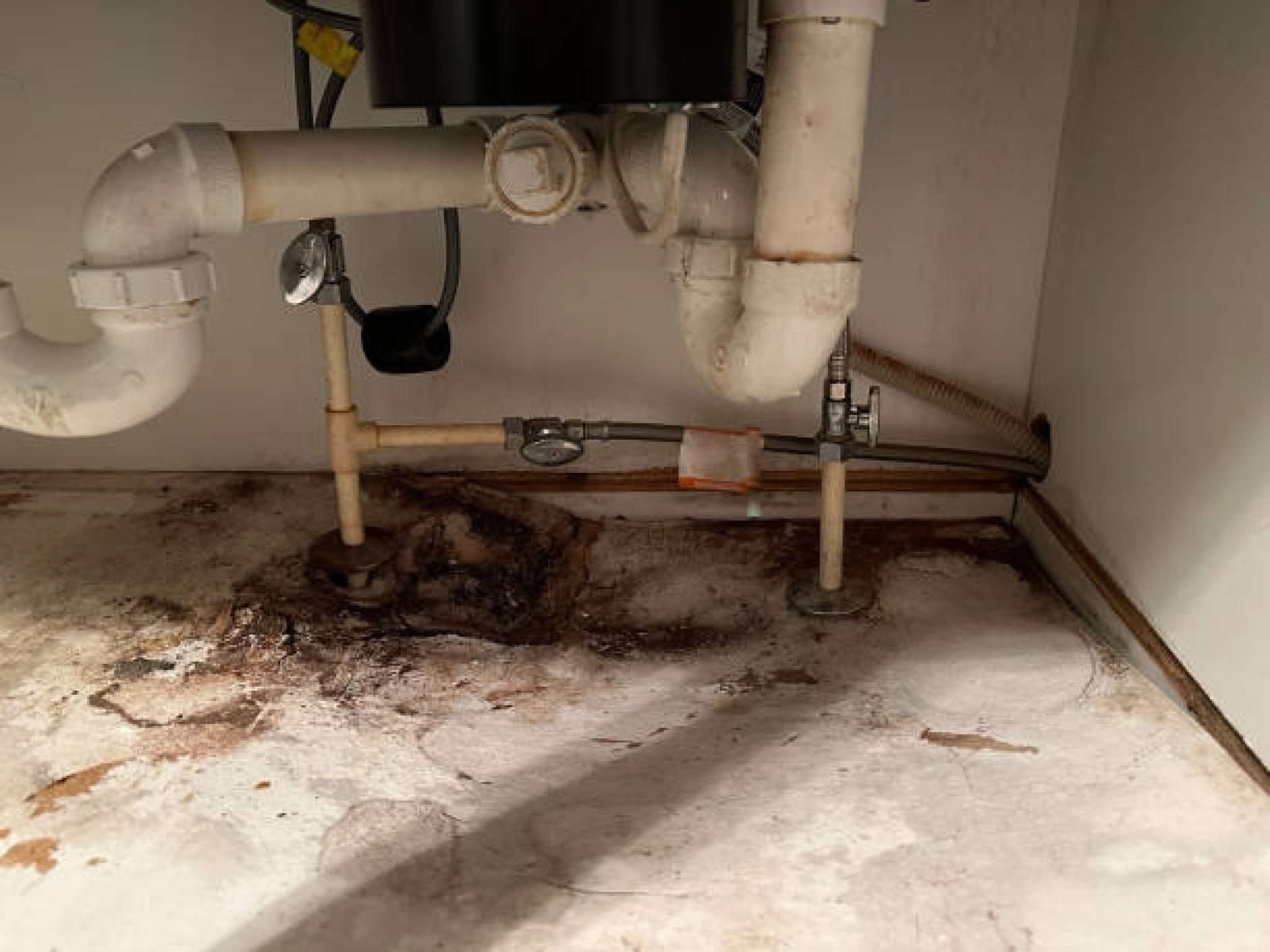
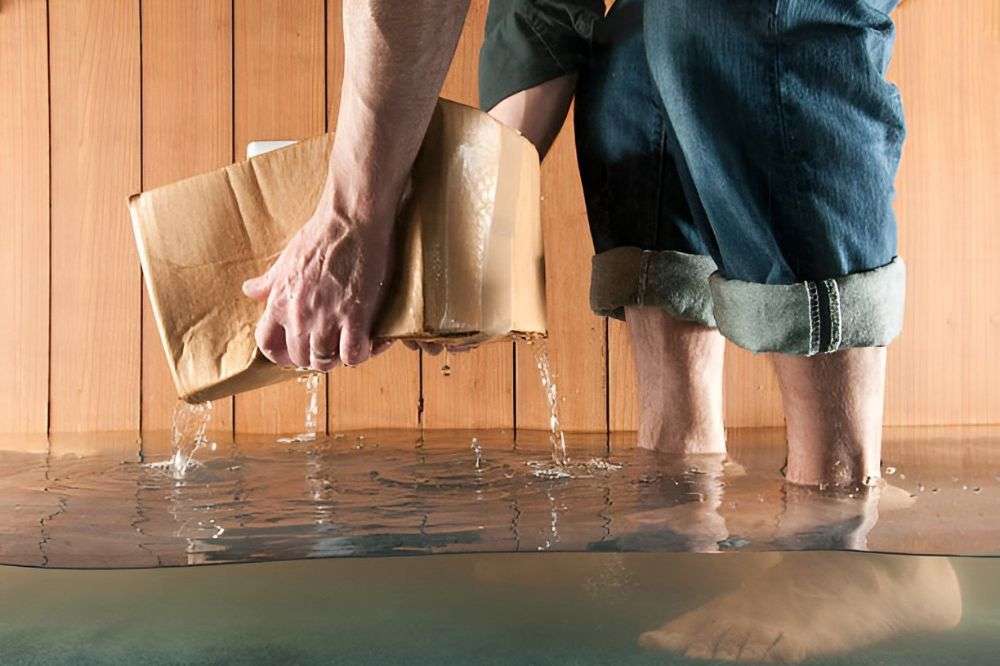
Flooding from backed‑up storm drains can saturate basements, damage flooring, walls, furniture, and other structures.
• Create Mold and Moisture Issues
Persistent water intrusion leads to moisture buildup, which can trigger mold growth — a common hidden problem after any water event.
• Compound Sewer Issues
During heavy rain, storm drain backups can coincide with sewer backups, increasing the risk of sewer water entering your home.
• Challenge Local Infrastructure
Chronic backups often indicate larger stormwater management issues that may require city action.
6. Recognizing a Storm Drain Backup
You may be dealing with a storm drain backup if:
- Water pools in streets or around your driveway after rain.
- Basements or crawl spaces feel damp or wet only after heavy rains.
- Nearby catch basins overflow instead of draining.
- Stormwater doesn’t diminish quickly as it normally should.
If water is entering interior drains, it could be linked to sewer issues — if so, see our guide on Tukwila sewer backups and health hazards.
7. Prevention and Maintenance Tips
• Keep Storm Drains Clear
Regularly rake leaves and debris away from storm drain inlets near your property. Volunteer storm drain care efforts like Seattle’s Storm Drain Volunteer Program help keep systems clear during seasonal changes.
• Regular Infrastructure Inspection
City programs, like Tukwila’s Annual Small Drainage Program, proactively inspect and replace aging pipes and catch basins to maintain performance.
• Improve On‑Site Drainage
Ensure your property’s grading directs water away from your foundation. Consider installing drainage improvements like French drains or sump pumps to manage excess groundwater before it reaches storm drains.
• Avoid Illegal Connections
Never connect sump pumps, downspouts, or interior drains directly to the sewer system — this contributes extra volume to infrastructure designed for different purposes. Read more from Sewer Alarm: Homeowner Tips.
8. What to Do if You Experience a Backup
• Report It
In Tukwila, contact Public Works or use local reporting tools to notify crews of clogged or backed‑up drains.
• Keep Water Out of Your Home
Use sandbags or barriers during extreme rainfall events. If water enters your basement, consider reaching out to professionals for cleanup and mitigation.
• Professional Cleanup
If water enters your home — whether stormwater or sewage — timely recovery is crucial. Learn more about professional assistance in our guide on water damage restoration in Tukwila, WA.
9. Final Thoughts
Storm drain backups in Tukwila are a community and infrastructure issue — influenced by weather patterns, system design, maintenance practices, and how stormwater and sewage are handled. Understanding the causes and taking proactive steps can help protect your property and reduce future disruptions.
If you suspect extensive water damage or persistent moisture problems after storm events, don’t hesitate to consult with damage restoration professionals sooner rather than later.