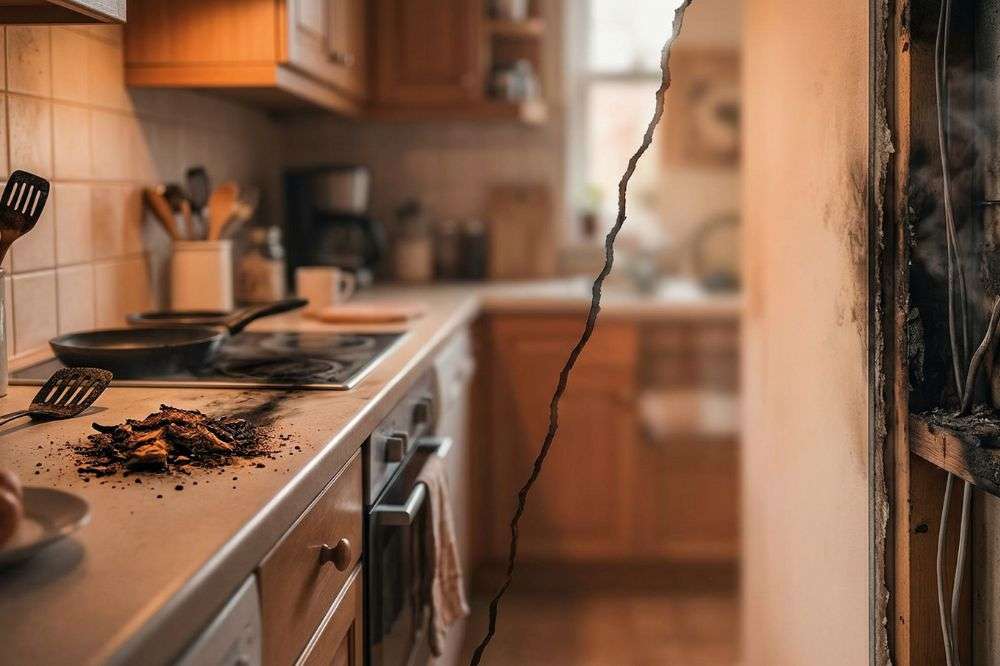
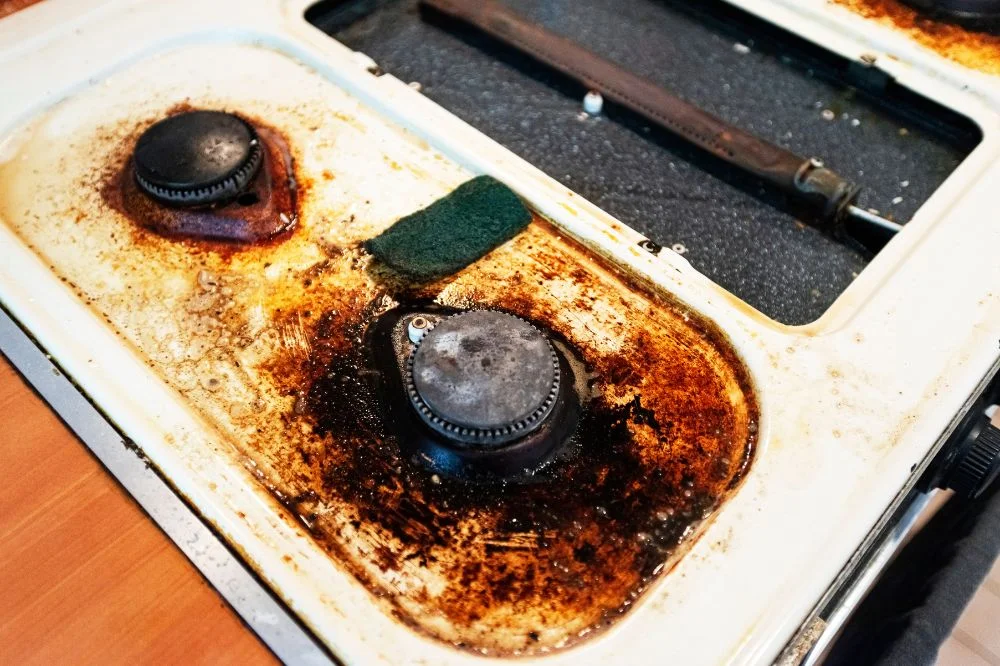
Kitchen grease fires strike quickly in Tukwila homes, fueled by overheated oil comprising 45-51% of cooking incidents nationwide.
Even small flames produce oily smoke residue that lingers, embedding deeply into surfaces and systems. These particles trigger health risks and structural decay over months or years without intervention.
Grease Fire Prevalence in Tukwila
Cooking fires dominate U.S. residential incidents, averaging 187,500 annually from 2017-2019, causing 165 deaths, 3,325 injuries, and $444 million in losses.
In Washington, kitchens rank high among fire origins, with Puget Sound Regional Fire Authority serving Tukwila since 2023. Oil, fat, and grease ignite first in 45% of nonconfined cases, peaking evenings from 5-8 p.m. and November holidays.
- Unattended stoves cause 37% of nonconfined fires.
- 93% stay confined, but smoke spreads regardless.
- Tukwila’s Fire Station 52 responds to local hazards near high-density areas.
Health Impacts of Lingering Smoke
Grease fire smoke carries volatile organic compounds (VOCs), benzene, formaldehyde, and fine particles that inflame lungs and airways.
Short-term symptoms include headaches, dizziness, and respiratory irritation; long-term exposure raises risks for asthma, bronchitis, COPD, heart disease, and cancer.
Vulnerable groups like children, the elderly, and those with pre-existing conditions face worsened allergies and chronic issues, with VOCs persisting weeks to months indoors.
Indoor air quality drops as residues recirculate via HVAC, embedding in lungs and triggering fatigue or neurological damage.
Pregnant individuals risk fetal exposure to carcinogens from biomass-like cooking fumes. Professional testing reveals contaminants lingering five weeks post-fire.
Structural and Material Damage
Oily soot from grease fires corrodes metals within hours, etches glass, discolors plastics, and weakens electronics by shorting circuits. Acidic residues penetrate walls, insulation, and HVAC ducts, causing hidden mold from suppression water and reducing airflow efficiency by up to 50%. Over time, this leads to structural compromise, higher energy costs, and re-ignition risks from flammable buildup.
Smoke travels beyond the kitchen, staining cabinets (5% first ignited) and infiltrating attics or garages. Without prompt cleaning, odors and particles embed permanently, demanding full rebuilds.
| Damage Type | Long-Term Effect | Affected Areas |
| Corrosion | Metal degradation, electrical failures | Pipes, fixtures, wiring |
| Discoloration | Permanent staining, etching | Walls, glass, flooring |
| Airflow Blockage | 50% efficiency loss, poor IAQ | HVAC ducts |
| Mold Growth | Health hazards from moisture | Insulation, drywall |
Professional Restoration Process
Experts start with inspection to map residue penetration, using HEPA vacuums, enzyme degreasers, and thermal fogging for oily soot. Duct sanitization prevents recirculation, followed by ozone or hydroxyl generators for odor neutralization. Full recovery takes days to weeks with industrial tools, versus months untreated.
For Tukwila residents, contact DKJAY fire damage restoration services immediately post-incident. Insurance documentation supports claims during rebuilds.
Prevention Strategies for Tukwila Homes
Puget Sound Fire advises never leaving pans unattended; use lids or extinguishers, avoiding water on grease. Install smoke alarms (operating in 72% of cases) and maintain hoods to curb buildup.
Local codes require compliant suppression in commercial kitchens; homeowners benefit from annual vent cleaning.
- Heat oil slowly below the smoke point.
- Keep baking soda nearby for small fires.
- Test alarms monthly per NFPA guidelines.