What Is Water Damage Restoration?
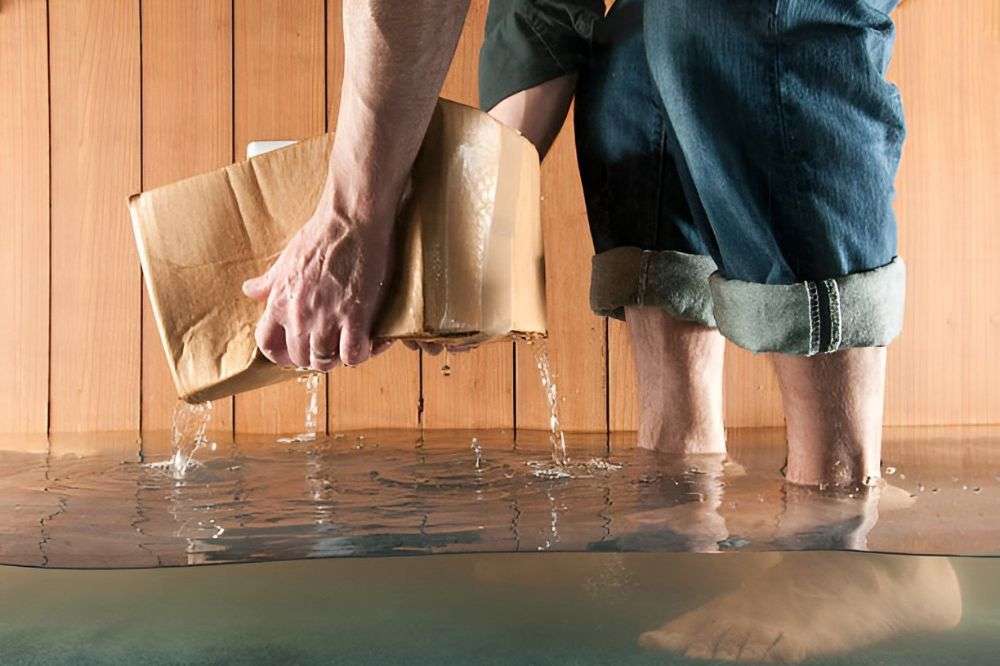
Water damage restoration is a structured process designed to reduce damage and return a property to its original condition after it has been affected by water intrusion.
This damage may result from floods, plumbing failures, storms, or leaks. It is essential for both homes and businesses, as water can weaken structures, damage personal belongings, and cause harmful mold growth (EPA).
The restoration process typically begins with a thorough inspection to assess the damage. Standing water is then removed using industrial-grade pumps. This is followed by drying, dehumidification, and moisture detection to eliminate hidden damp areas. Antimicrobial treatments are applied to eliminate harmful bacteria and prevent mold growth (CDC).
Based on the severity of the damage, restoration may require tasks like installing new drywall, fixing flooring, or updating insulation.
Fast, thorough restoration helps protect both property and health—mold can start growing within just 24–48 hours of water exposure (FEMA).
Common Causes of Water Damage in Homes

Water damage may stem from both manageable and uncontrollable sources. Common causes include:
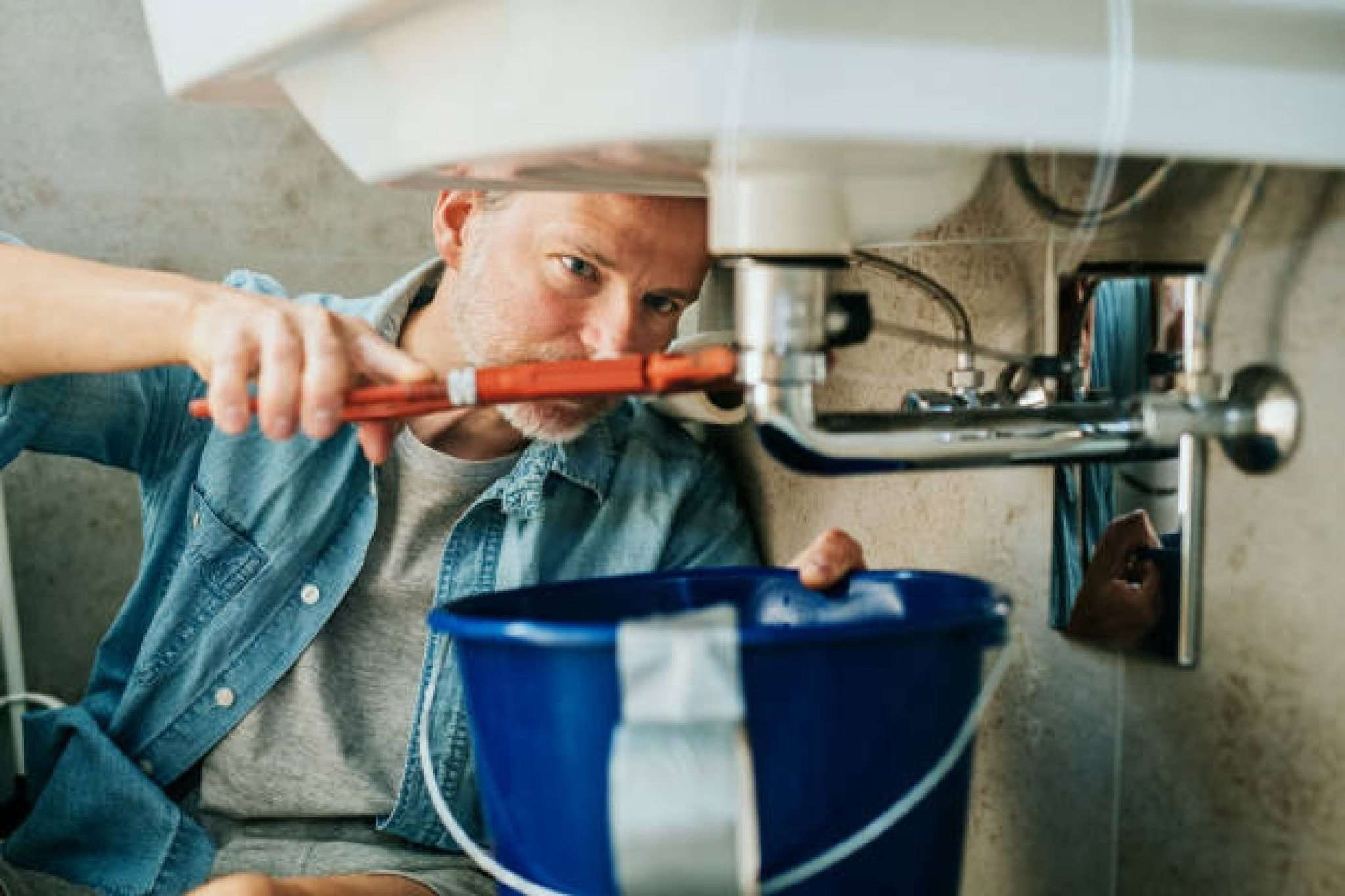
- Burst or Leaking Pipes – Often due to freezing, rust, or pressure buildup.
Learn more about preventing frozen pipes from the American Red Cross. - Appliance Failures – Malfunctions in dishwashers, washing machines, or water heaters.
- Severe Storms or Flooding – May overwhelm drainage systems, causing them to back up due to the high volume of water. See NOAA’s Storm Events Database for trends.
- Sewage Backups – Blocked or overloaded sewer lines. CDC on sewage exposure
- HVAC Issues – Clogged drains or condensation from cooling systems.
- Foundation Cracks – Water seeps in through basement walls or floors.
Knowing these causes can help in preventing future damage through proactive maintenance.
Signs You Need Water Damage Restoration
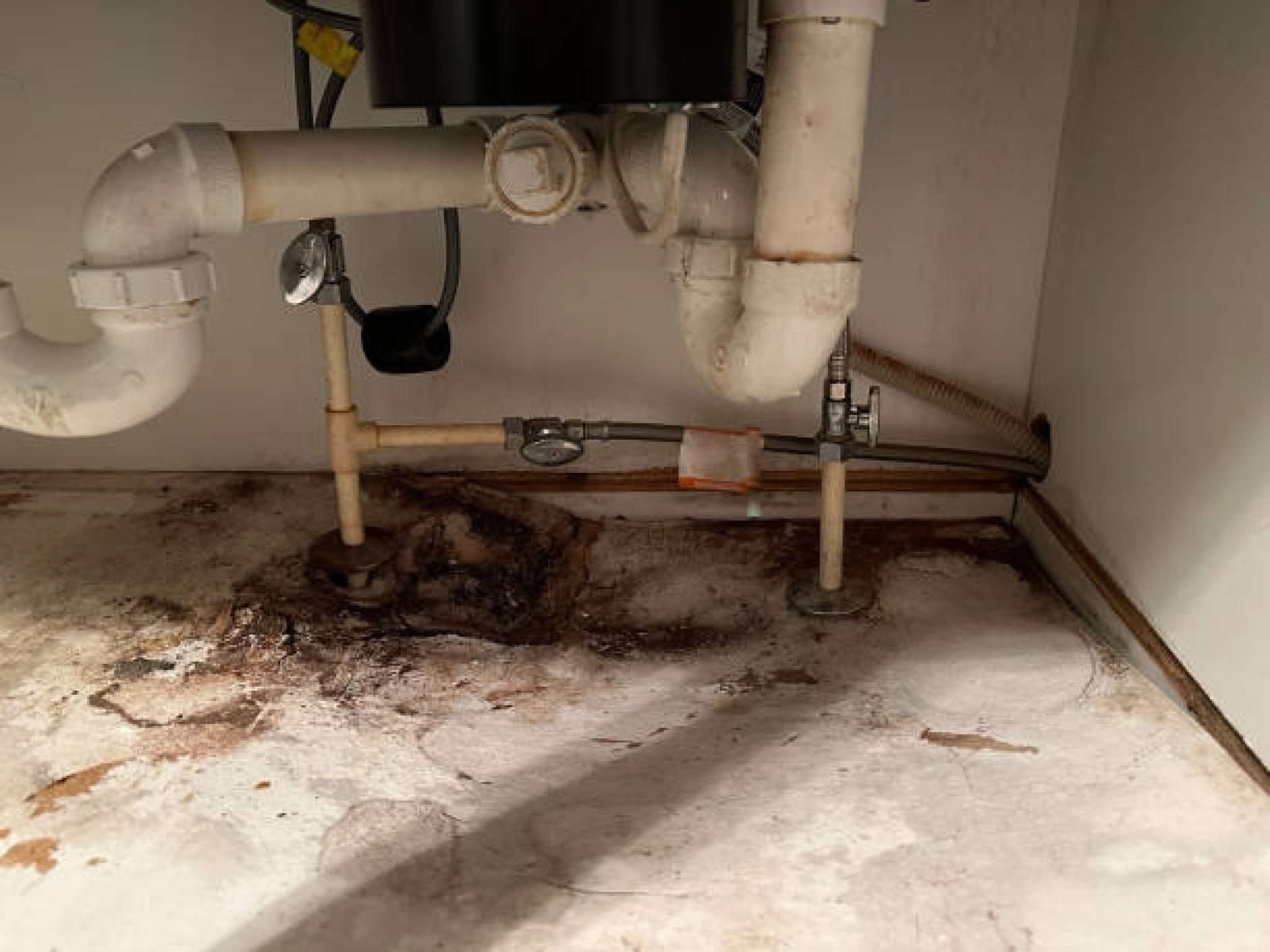
While obvious signs like flooding are easy to spot, water damage often hides in less visible forms, such as:
- Bubbling or discolored paint
- Warped floors and damp carpets
- Musty smells and mold spots
- Rising water bills
These subtle clues point to deeper issues that may be damaging your home’s structure. If left untreated, they can become expensive to repair. It’s always best to consult a professional at the earliest signs of trouble.
Water Damage Restoration: Step-by-Step Process
- Emergency Contact – Most professionals are available 24/7.
- Damage Assessment – Trained professionals employ advanced tools to identify hidden moisture within walls, floors, and other structural areas.
- Water Extraction – High-powered pumps remove standing water.
- Drying & Dehumidification – Industrial fans and dehumidifiers dry structural materials.
- Cleaning & Sanitizing – Antimicrobials remove bacteria and prevent mold.
- Restoration & Repairs – Damaged drywall, flooring, and insulation are rebuilt or replaced.
Each step is vital to ensure a safe, mold-free environment.
Why You Should Act Immediately on Water Damage
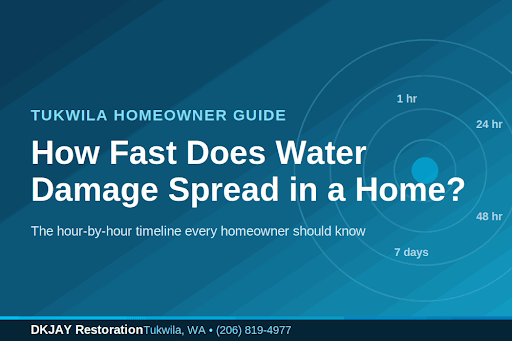
Postponing restoration efforts can significantly escalate the damage in as little as 24 to 48 hours.
Mold can spread quickly, wood may warp, metal begins to rust, and drywall becomes fragile and compromised. Delays also increase health risks, especially for children, seniors, and those with respiratory conditions (American Lung Association).
Quick action not only protects your family and property but may also prevent denial of insurance claims due to neglect.
Understanding Categories and Classes of Water Damage
Water Damage Categories
- Category 1: Clean water from burst pipes or rainwater
- Category 2: Gray water from appliances—slightly contaminated
- Category 3: Highly contaminated black water resulting from sewage overflows or floodwaters—presents significant health hazards (OSHA)
Water Damage Classes
- Class 1: Minimal absorption and damage
- Class 2: Water affects carpet, padding, and walls
- Class 3: Water soaks into ceilings and insulation
- Class 4: Deep water saturation in materials like concrete or hardwood
Correct categorization ensures safe, efficient cleanup.
Water Damage Restoration Costs
Pricing depends on the size of the affected area, severity of contamination, and extent of necessary repairs. Here’s a general breakdown:
- Category 1 (Minor Damage): $1,200 – $3,000
- Moderate Damage: $3,000 – $8,000
- Severe (Category 3): $8,000 – $20,000+
Always request a detailed estimate (FTC guide to hiring contractors) to understand exactly what you’re paying for.
Does Insurance Cover Water Damage?
Homeowners insurance typically covers sudden, accidental damage (like burst pipes) but not gradual issues from poor maintenance. Most policies cover:
- Emergency water extraction
- Drying and dehumidifying
- Structural repairs
- Mold remediation (in some cases)
Note: Flood damage usually requires separate flood insurance (FEMA’s National Flood Insurance Program).
Tip: Choose a restoration company experienced in dealing with insurance claims—they’ll help document and communicate with adjusters.
DIY vs. Professional Water Damage Restoration
When DIY Might Work:
- Area is less than 10 sq. ft.
- Clean water source (Category 1)
- Action is taken immediately
When to Call Professionals:
- Contaminated water or mold is present
- Water has soaked insulation or drywall
- There’s structural or electrical damage
Professional Advantages:
- Commercial-grade drying tools
- Mold prevention expertise
- Compliance with building codes
- Help with insurance paperwork
How to Prevent Future Water Damage
Regular Maintenance Tips
- Inspect your roof, gutters, and downspouts
- Check for pipe leaks or corrosion
- Install sump pumps and backup systems
- Replace old water heaters proactively
- Seal foundation cracks
- Maintain HVAC systems and indoor humidity
Smart Upgrades
- Use leak detection systems and smart shut-off valves
- Waterproof basements and bathrooms with membranes
- Install water-resistant flooring in moisture-prone areas
- Add French drains or raise electrical systems in flood zones
Preventive care costs far less than restoration.
Choosing the Right Water Damage Restoration Company
Must-Have Qualifications
- Licensed, bonded, and insured
- IICRC-certified technicians
- 24/7 emergency availability
- Great reviews and testimonials
- Free estimates and inspections
- Insurance claim assistance
Questions to Ask:
- How fast can you arrive?
- What equipment do you use?
- Do you also handle mold and reconstruction?
- How will you protect my belongings?
Choose a company that values transparency, urgency, and quality.
Water Damage Restoration FAQs
Q1: How fast does mold grow?
A: Within 24–48 hours in damp environments. (CDC Mold Info)
Q2: Is it safe to remain in my home while restoration is underway?
A: It depends on the severity—small jobs may allow it, major ones may not.
Q3: What if water gets behind walls?
A: Professionals use infrared cameras and moisture meters to locate hidden water.
Q4: How do I know it’s fully dry?
A: Restoration teams use moisture readings to confirm dryness before concluding work.
Q5: Can carpets or furniture be saved?
A: Yes, if cleaned quickly and if the water wasn’t contaminated. Otherwise, replacement may be needed.
Final Thoughts: Timeliness is Crucial When Addressing Water Damage
Water damage goes beyond inconvenience—it can compromise your property’s structure and endanger your health. Prompt action helps minimize destruction, lower health hazards, and reduce repair expenses.
Certified restoration companies offer comprehensive services, including water removal, mold prevention, and help with insurance claims. Remember, the first 48 hours are critical to prevent long-term issues.
Need Water Damage Assistance?
Reach out to DKJAY Restoration today—our team is available 24/7 across Washington State for emergency water damage restoration.
Your Phone Number
Visit us online for a free, fast quote.
We’re here when you need us most.